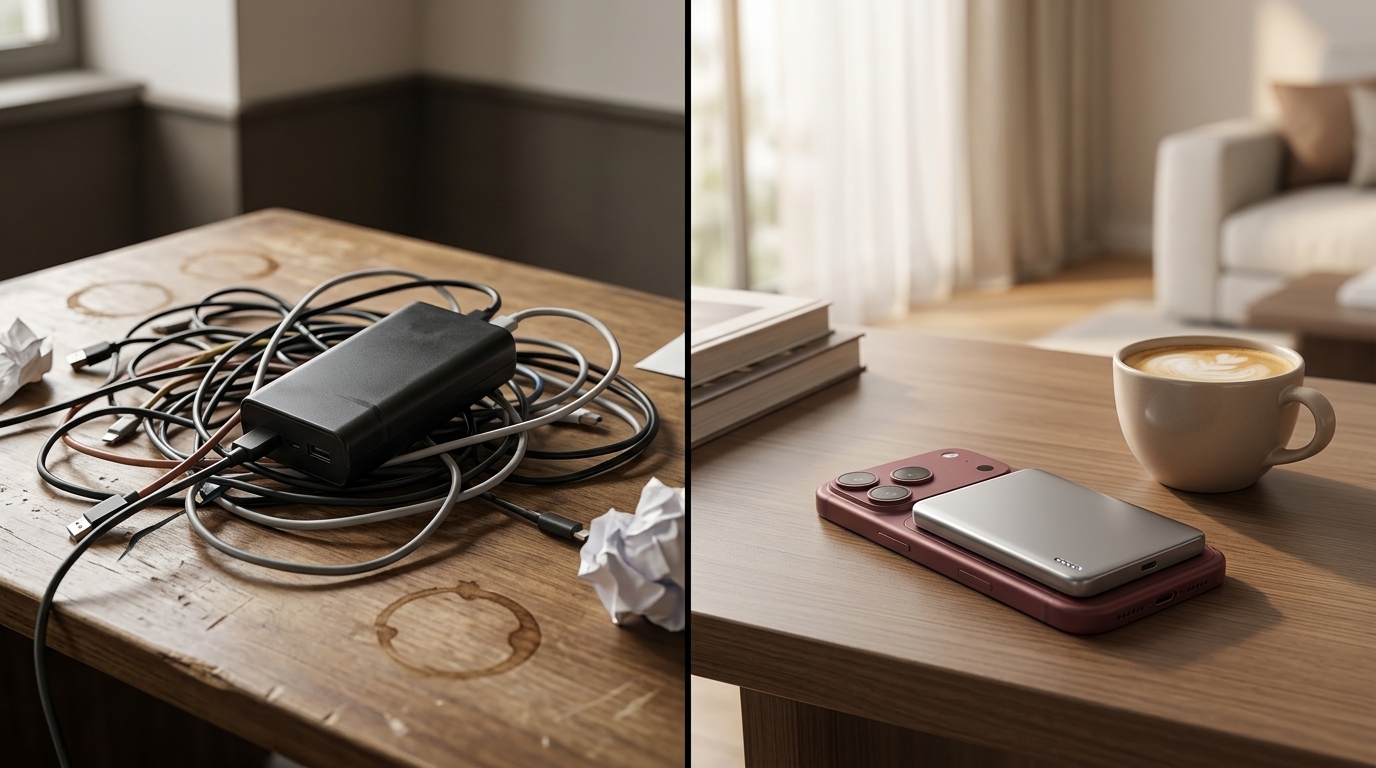
The evolution of the personal workspace has reached a point where cable management is no longer a mere aesthetic preference, but a necessity for mental clarity. As the average user integrates more deeply into the Apple ecosystem, the sheer volume of proprietary charging cables has created a paradoxical friction. While the software experience across devices is famously seamless, the physical act of maintaining those batteries often feels like a fragmented chore. This has led to a quiet shift in how we approach our desks and nightstands, favoring consolidated structures over a web of individual wires.
The modern morning routine or evening wind-down is increasingly defined by these centralized hubs. By providing a fixed destination for the iPhone, Apple Watch, and AirPods, users are moving away from the “hunt and plug” behavior that has dominated the last decade. There is a psychological ease that comes with knowing every essential tool has a specific, magnetic home. It transforms the act of charging from a conscious maintenance task into a passive habit of placement, ensuring the ecosystem is always ready for the day ahead.
For those who rely on a MacBook and iPad for professional workflows, the desk footprint is prime real estate. Traditional charging methods require multiple wall outlets and a chaotic sprawl of cables that compete for space with mice, keyboards, and coffee mugs. A streamlined vertical dock reclaims that lost territory. By utilizing height rather than surface area, these stations allow the iPhone to remain functional as a secondary display for notifications or FaceTime calls while it draws power, rather than lying flat and inaccessible.
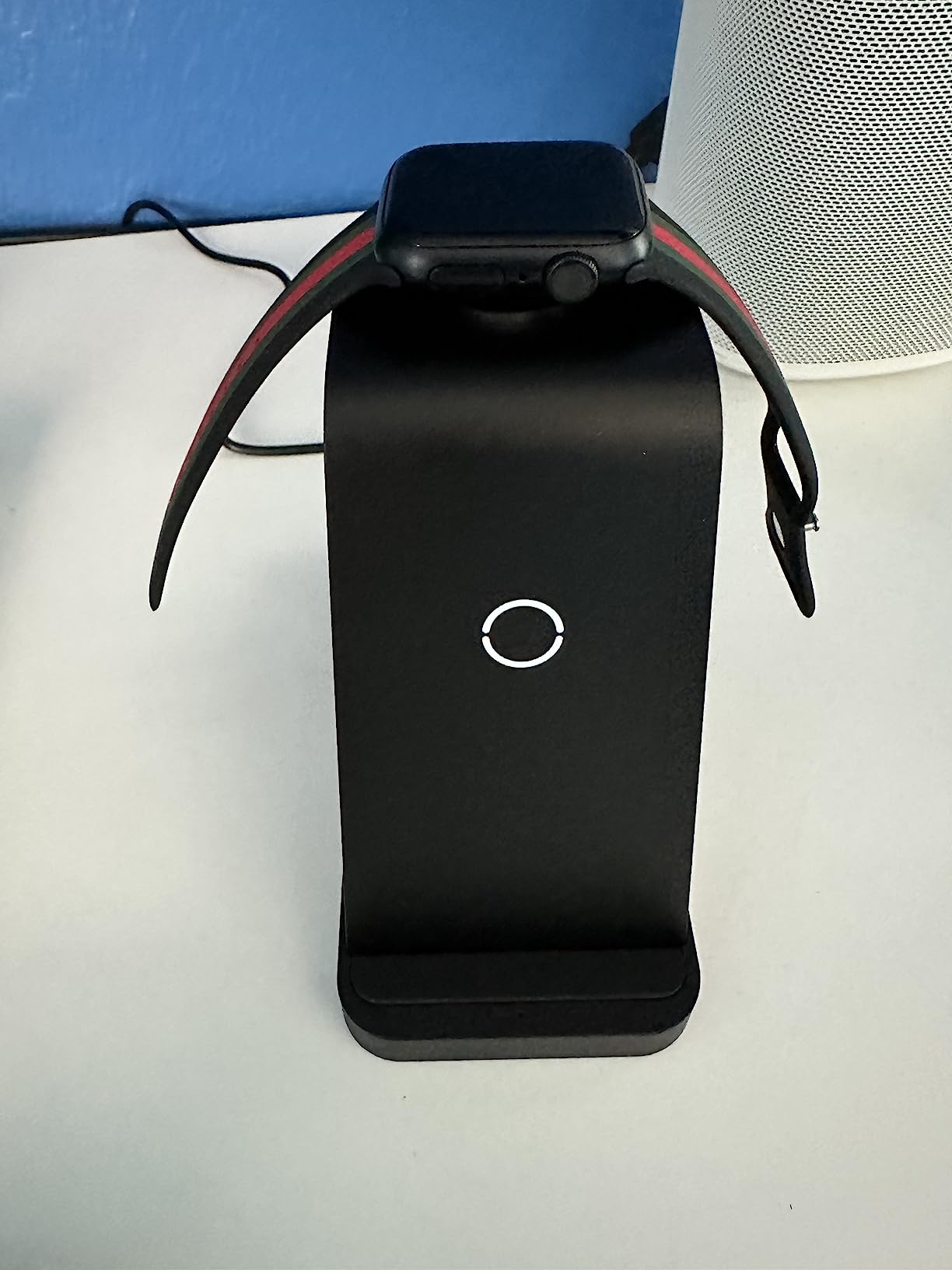
Travel habits have also dictated a move toward more cohesive power solutions. The logistical burden of packing three or four different cables for a short trip is a subtle but persistent travel friction. When the power source is unified, the cognitive load of “did I pack the watch charger?” disappears. This reliability is particularly vital for those who use their devices for navigation or work on the go, where a forgotten cable at a hotel can disrupt an entire day’s productivity.
Beyond the utility, there is an observational shift in how we treat our technology as part of our home decor. The industrial design of a synchronized charging dock mirrors the minimalist philosophy inherent in the devices themselves. It treats the hardware not just as a tool to be refueled, but as an integrated part of the living environment. When a device is propped up rather than tethered to a loose cord, it maintains its status as a high-end object of design even while it is idle.
Device longevity is often tied to how we manage our power cycles, and a consistent charging environment encourages better habits. Instead of waiting for a “low battery” warning to scramble for a cable, the ease of a dedicated dock encourages frequent, top-off charging throughout the day. This keeps the user within the optimal battery percentage range without the constant conscious effort of monitoring levels, effectively removing the anxiety of a dying device during critical moments.
Ultimately, the move toward these integrated stations reflects a desire for a more intentional relationship with our technology. It acknowledges that the iPhone, watch, and audio accessories are a singular unit of our digital lives. By simplifying the physical infrastructure required to support them, we reduce the daily micro-stresses of tech ownership. The result is a workspace that feels less like a laboratory and more like a refined, high-functioning environment designed for focus.
Previously listed at $40.00, the current listing shows $24.00 at the time of publishing. View current listing. Price at time of publishing. Subject to change.
"Note: Readers like you help support The Apple Tech. We may receive a affiliate commission when you purchase products mentioned on our website."