
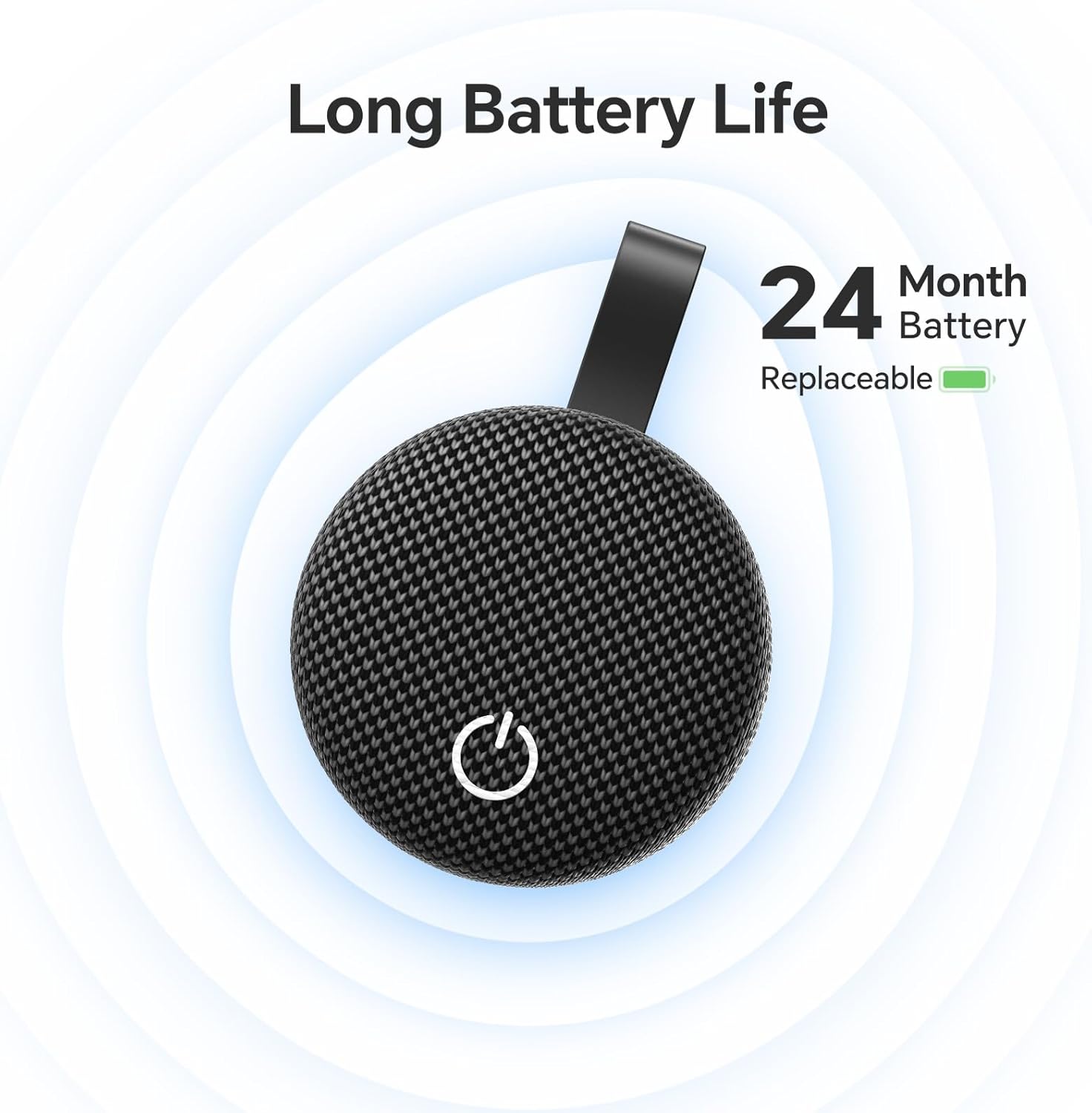
There’s a specific moment when a tracking tag stops being useful, and it rarely coincides with when it stops working. It happens when the battery notification appears, and you realize the device you’ve attached to something important now requires attention, planning, and a small screwdriver you probably don’t own. For some people, that moment becomes a referendum on the entire product category.
Apple’s Find My network created something unusual in consumer technology: an infrastructure so valuable that third-party manufacturers can build profitable businesses simply by accessing it. The network effect is powerful enough that the hardware itself becomes almost secondary. What matters is whether a tag can ping nearby iPhones and report back its location. Who makes the tag becomes a detail, not a defining characteristic. That shift has quietly redistributed market share in ways Apple’s industrial design prowess can’t easily counter.
Battery replaceability sounds like a minor specification until it becomes a recurring two-year ritual. Opening a tracker, swapping a CR2032 cell, and reattaching it takes maybe three minutes. But those three minutes arrive at unpredictable intervals, often when you’re about to travel or in the middle of something else. The friction isn’t the task—it’s the mental overhead of tracking the tracker. When batteries are replaceable, the device can theoretically last indefinitely. When they’re not, the product has an expiration date baked into its design philosophy.
Dark gray occupies a strange position in the tracker color spectrum. It’s not the default white that Apple favors, which carries a certain visibility premium. It’s not black, which can disappear against certain bag interiors. It’s deliberately anonymous—a color that doesn’t attract attention on a keychain or bag tag, doesn’t show wear as obviously as lighter options, and doesn’t signal any particular brand allegiance. The aesthetic choice becomes functional, which is a different calculation than most Apple hardware invites.
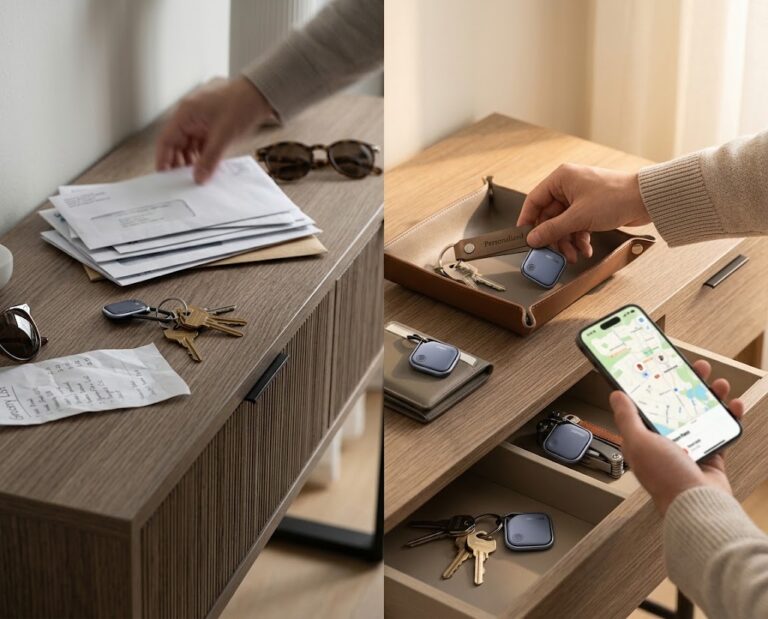
The two-pack pricing structure has become standard not because people need two trackers, but because the anxiety the product addresses doesn’t stop at a single item. Once you’ve decided your keys are worth tracking, your bag probably is too. Then your wallet. Then your partner’s keys. The psychology shifts from “do I need this?” to “what else should I be tracking?” The entry point matters less than the expansion pattern it enables.
Find My integration is the feature that makes everything else negotiable. Without it, these are just Bluetooth beacons with limited range. With it, they become nodes in a network of hundreds of millions of iPhones, all passively helping locate lost items. That network access is what people are actually buying. The physical tag is just the antenna. When Apple opened Find My to third parties, they made a calculation that the network’s value would outweigh any hardware cannibalization. The market seems to be proving them right.
What’s interesting is who switches away from AirTags and why. It’s not always about price, though a 23% discount certainly lowers the barrier. More often, it’s someone who’s been through a battery replacement cycle, realized how infrequently they actually needed the precision finding features, and decided that “good enough” network access with easier battery swaps made more sense than premium hardware they were using as a dumb beacon 99% of the time.
The keychain attachment point seems trivial until you’ve tried to attach a tracker to something that doesn’t have a convenient loop. AirTag’s polished design prioritizes aesthetics over universal compatibility. Third-party options often include the hole, the loop, or the attachment point by default—less elegant, perhaps, but immediately functional without requiring a separate accessory purchase. It’s the kind of small decision that compounds over multiple devices.
The moment your tracker dies isn’t when you lose the device—it’s when you realize you’ve been renting peace of mind, not owning it. Replaceable batteries shift that mental model. The hardware might be cheaper, less refined, and carry no brand cachet. But it remains yours, functional, indefinitely. For a certain type of user, that permanence outweighs everything else the premium option offers.
"Note: Readers like you help support The Apple Tech. We may receive a affiliate commission when you purchase products mentioned on our website."