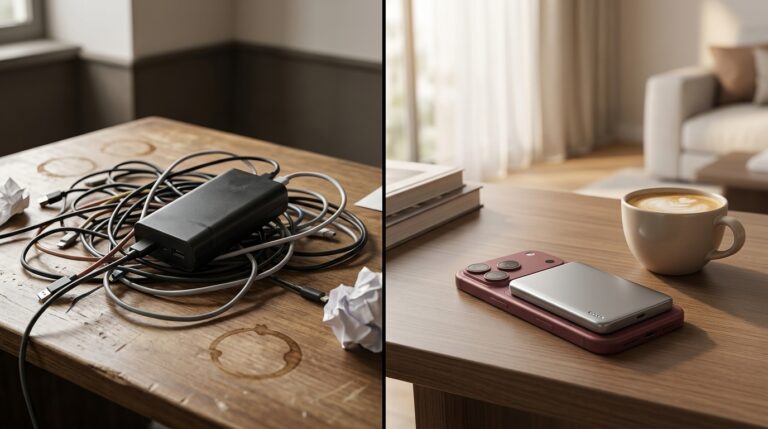
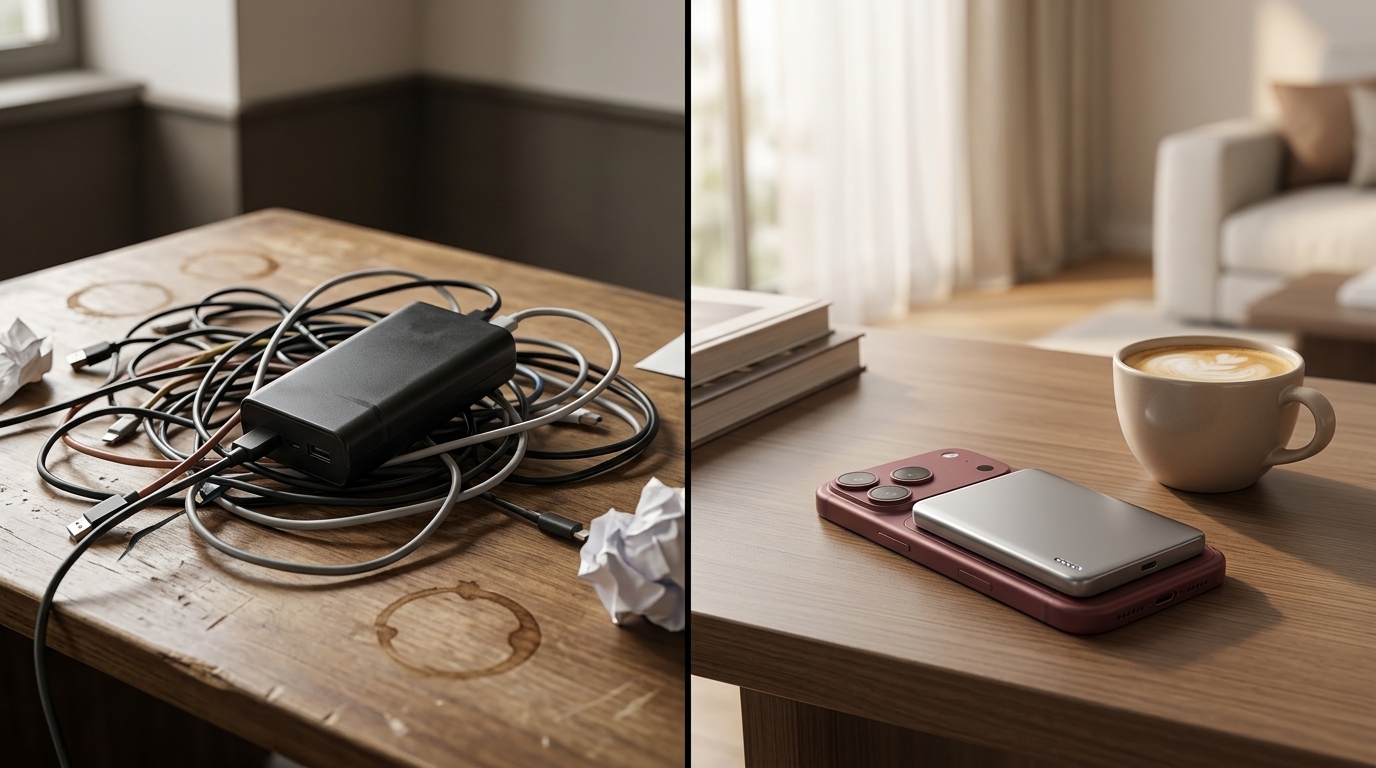
Dashboard mounts used to dominate car interiors, stuck to windshields or glued to surfaces with semi-permanent adhesive. Then MagSafe arrived and the calculus shifted. Magnetic attachment eliminated the need for clamps or grips, and the air vent became the logical mounting point—stable, reachable, and requiring no adhesive. The shift wasn’t immediate, but it was directional. People who upgraded to iPhone 12 or later started looking for mounts that worked with the magnetic system, and the vent clip emerged as the path of least commitment.
The appeal isn’t just about magnets. It’s about reversibility. The vent clip doesn’t require adhesive, doesn’t leave residue, and can move between vehicles without ceremony—qualities that matter more as people change cars more frequently or share vehicles with partners and family members. The mount becomes temporary infrastructure instead of permanent installation, which lowers the psychological barrier to trying it in the first place. If it doesn’t work, you just remove it. There’s no scraping, no damaged surfaces, no evidence it was ever there.
The steel core reinforcement addresses the most common failure mode of vent mounts: slippage. Early versions would rotate under the weight of the phone, especially on bumpy roads or during sharp turns. The upgraded internal structure keeps the mount stationary, which sounds like a minor improvement until you’ve experienced the opposite—a phone slowly tilting downward over the course of a drive, requiring constant readjustment. That frustration compounds quickly. The steel core doesn’t eliminate it entirely, but it reduces the frequency enough that people stop thinking about it.
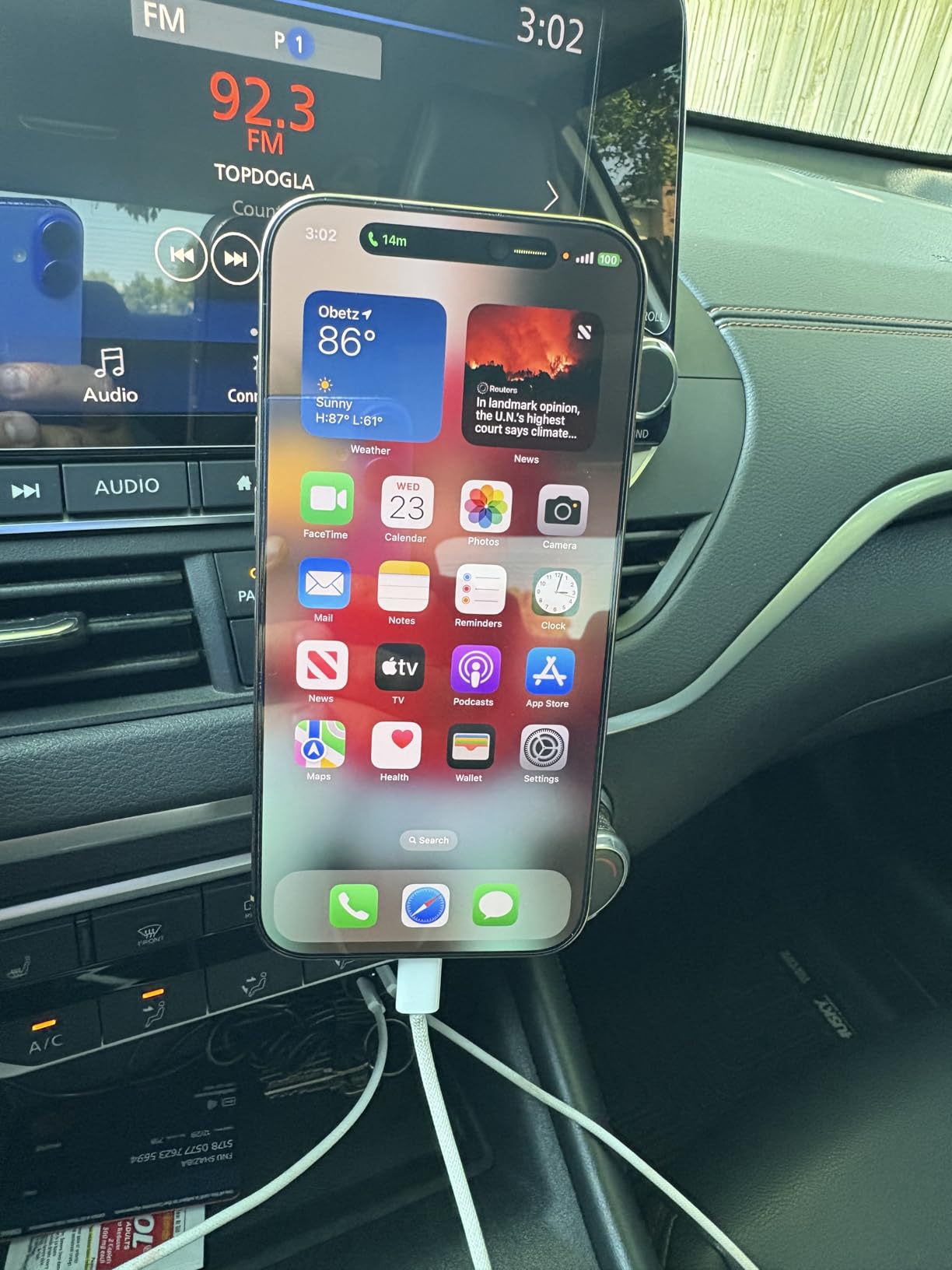
The three-hundred-sixty-degree adjustability introduced a new variable into car mounting: orientation flexibility. Landscape, portrait, angled toward the driver or tilted for a passenger—the mount accommodates all of it, which means people started experimenting with positioning in ways they didn’t with fixed mounts. Some found they preferred the phone angled slightly upward for GPS visibility. Others liked it rotated toward the passenger seat for shared navigation. The flexibility itself became a feature, not because it enabled something new, but because it removed constraints people had learned to work around.
MagSafe compatibility created an informal divide in the iPhone ecosystem. Users with iPhone 11 or earlier either needed a MagSafe-compatible case or couldn’t use magnetic mounts at all. That bifurcation meant households with mixed-generation iPhones had to maintain two mounting systems, or simply skip the magnetic option until everyone upgraded. The friction wasn’t technical—it was temporal. The mount worked perfectly for half the family’s devices and not at all for the other half.
The vent placement puts the phone at eye level, which improves glanceability for navigation but also increases the temptation to interact with the screen while driving. That tension exists with any car mount, but the vent position makes the phone feel more integrated into the dashboard, more like part of the car’s interface than an external device. The line between using the phone for directions and using it for everything else becomes thinner when it’s mounted within arm’s reach and oriented toward your face.
Previously listed around forty dollars, current versions of these steel-core MagSafe vent mounts appear near twenty-seven dollars, a price drop that signals market saturation. The magnetic mount is no longer novel—it’s expected infrastructure for newer iPhone models. The cost reflects that normalization. People don’t agonize over the purchase anymore, they just add it to the cart alongside a charging cable and a case. The mount has become part of the standard iPhone accessory bundle, as routine as screen protectors once were.
"Note: Readers like you help support The Apple Tech. We may receive a affiliate commission when you purchase products mentioned on our website."