For years, a single wireless router sitting in a central location was sufficient for most homes. Laptops stayed near desks, phones moved between rooms but didn’t demand constant connectivity, and streaming happened on one or two devices at a time. Then the number of connected devices multiplied. iPhones, iPads, Apple Watches, HomePods, smart lights, thermostats, security cameras—each one assumed WiFi availability in every corner of the home. The single router couldn’t keep up. Dead zones appeared in bedrooms, basements, and backyards. AirDrop transfers failed mid-file. HomeKit accessories went unresponsive. The router wasn’t failing—it was revealing how much of the home existed outside reliable wireless coverage, which only became obvious when every room had a device that needed connectivity.
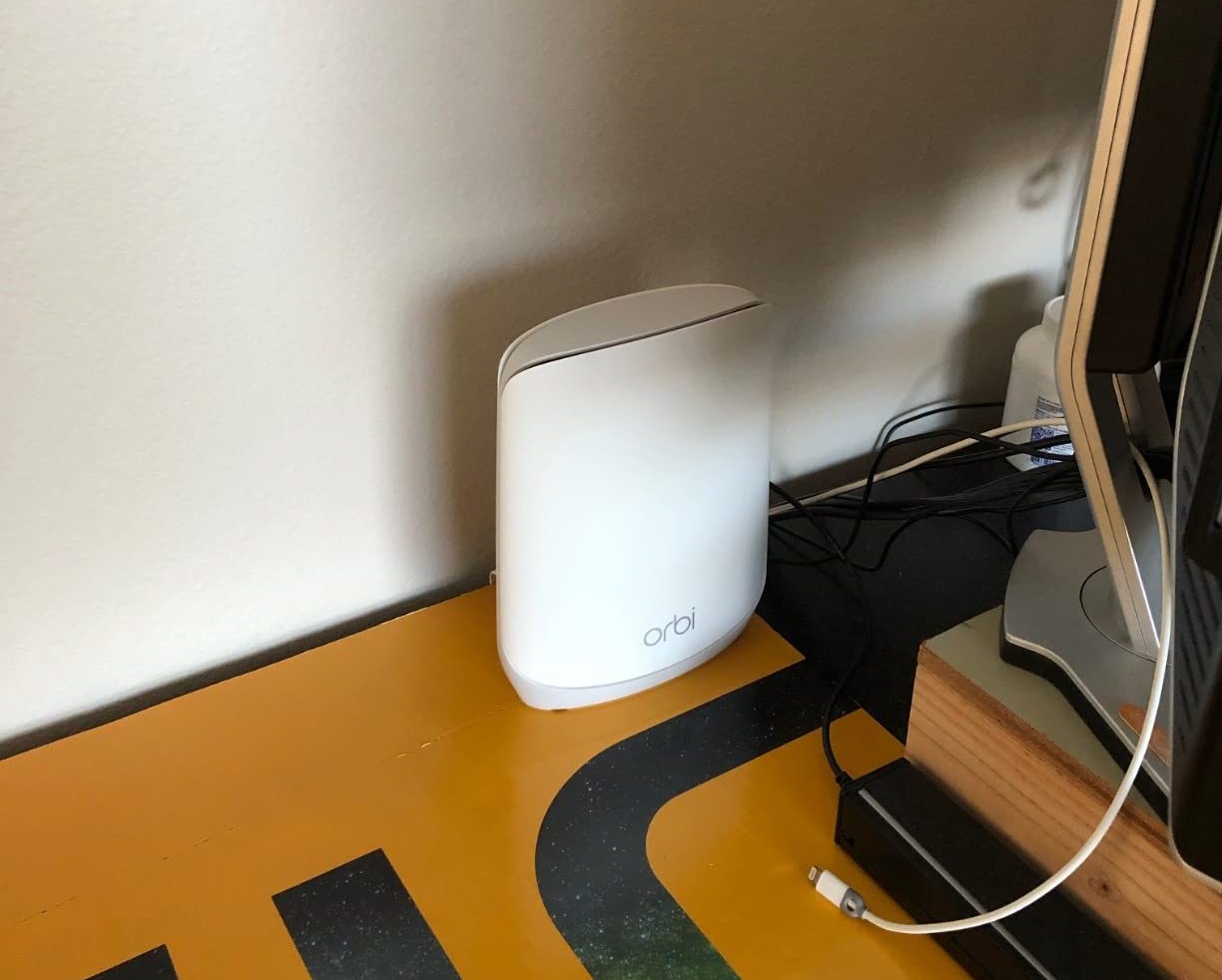
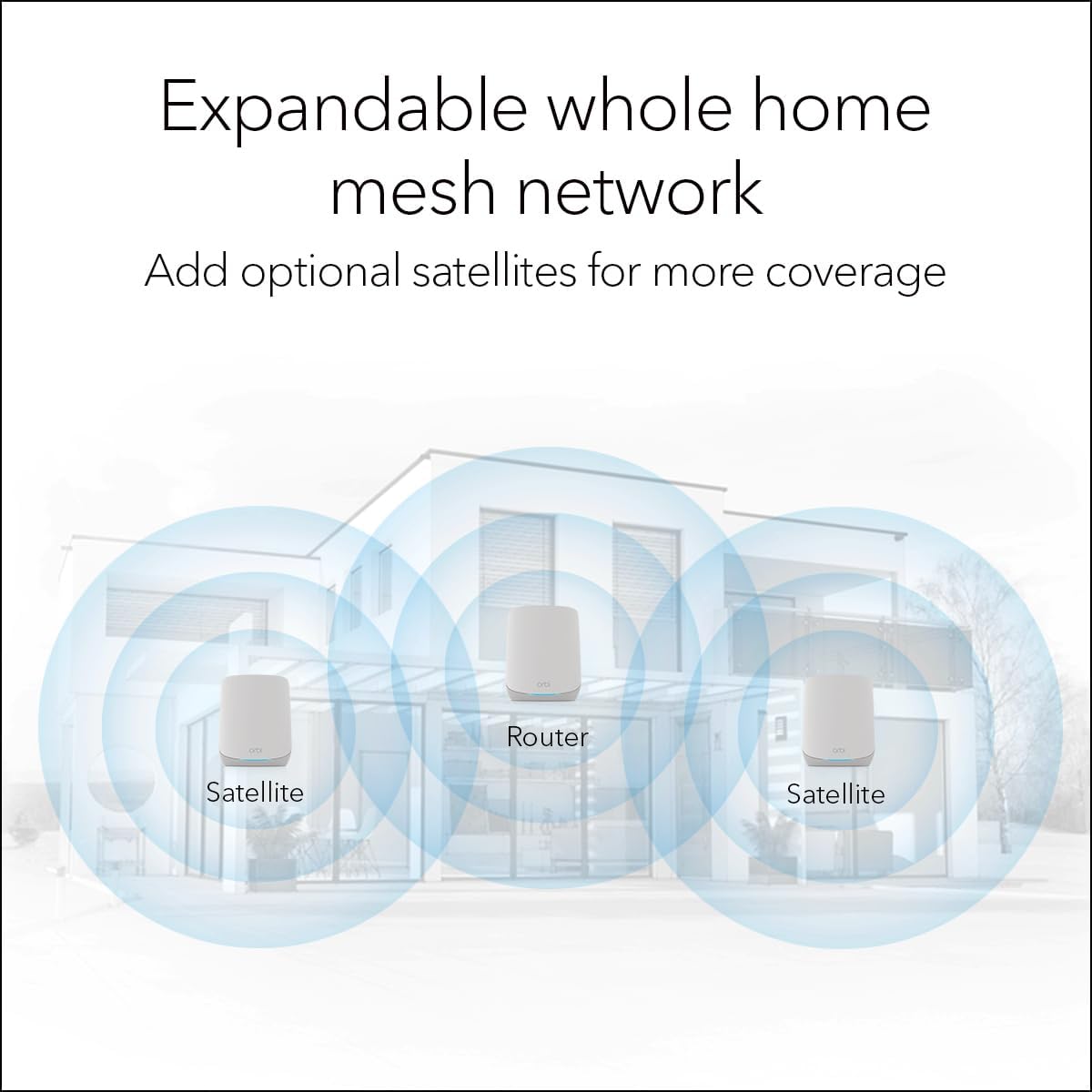
The mesh network system addressed this by distributing multiple access points throughout the home, each one communicating with the others to create seamless coverage. Instead of one router struggling to reach every room, three or four satellites worked together to eliminate gaps. The technical improvement was straightforward, but the behavioral change was subtle. People stopped thinking about where they were in relation to the router. They assumed connectivity everywhere, which shifted usage patterns. iPads moved from the living room to the back patio. iPhones streamed video in previously unusable corners. The mesh system didn’t just extend coverage—it changed how people moved through their own homes with their devices.
The capacity to handle seventy-five devices simultaneously reflected a reality that would have seemed absurd a decade ago: households now routinely operate dozens of connected devices at once. Two iPhones, two iPads, two Apple Watches, a MacBook, three HomePods, a dozen smart bulbs, a doorbell camera, two streaming boxes, a printer, and a handful of smart plugs—that’s thirty devices before accounting for guests’ phones or kids’ tablets. The mesh system handled that density without requiring users to think about bandwidth allocation or connection limits. It just worked, which made the infrastructure invisible until it didn’t.
The security features—parental controls, guest network isolation, automatic firmware updates—addressed concerns that single-router users often ignored until something went wrong. The mesh system prompted people to configure these settings during initial setup, which meant more households actually enabled protections they’d previously skipped. That shift wasn’t about the technology being more secure, it was about the setup process making security more visible and less optional. The system assumed you cared about network safety, which nudged behavior in a direction people often intended but rarely acted on.
The coverage area specification—up to sixty-six hundred square feet—meant the three-unit system worked for most suburban homes but fell short in larger properties or multi-story houses with unusual layouts. Some people discovered this only after installation, when a detached garage or finished basement remained outside the mesh network’s reach. Adding a fourth satellite solved the problem but also increased cost and complexity. The mesh system promised whole-home coverage, but “whole home” turned out to be a flexible definition that didn’t account for every architectural variation.
HomeKit users experienced the mesh network’s benefits most acutely. Apple’s smart home platform relies on consistent connectivity between devices, and any interruption causes accessories to show as “not responding” in the Home app. Before mesh networks, that happened frequently enough to be a recurring frustration. After installation, the unresponsive accessory problem diminished but didn’t disappear entirely. The mesh network improved reliability, but it also raised expectations. When a device still failed to respond, it felt more like a failure because the infrastructure was supposed to prevent it.
Previously listed at three hundred fifty dollars, current pricing for tri-band mesh systems with multiple satellites appears around two hundred dollars, a range that positions them between premium routers and entry-level mesh kits. The cost represents a significant increase over single-router solutions, but it’s become a standard part of setting up a connected home in the Apple ecosystem. The mesh network didn’t create the need for whole-home WiFi—the proliferation of wireless devices did that—but it provided a solution that scaled with device density in a way traditional routers never could.
"Note: Readers like you help support The Apple Tech. We may receive a affiliate commission when you purchase products mentioned on our website."