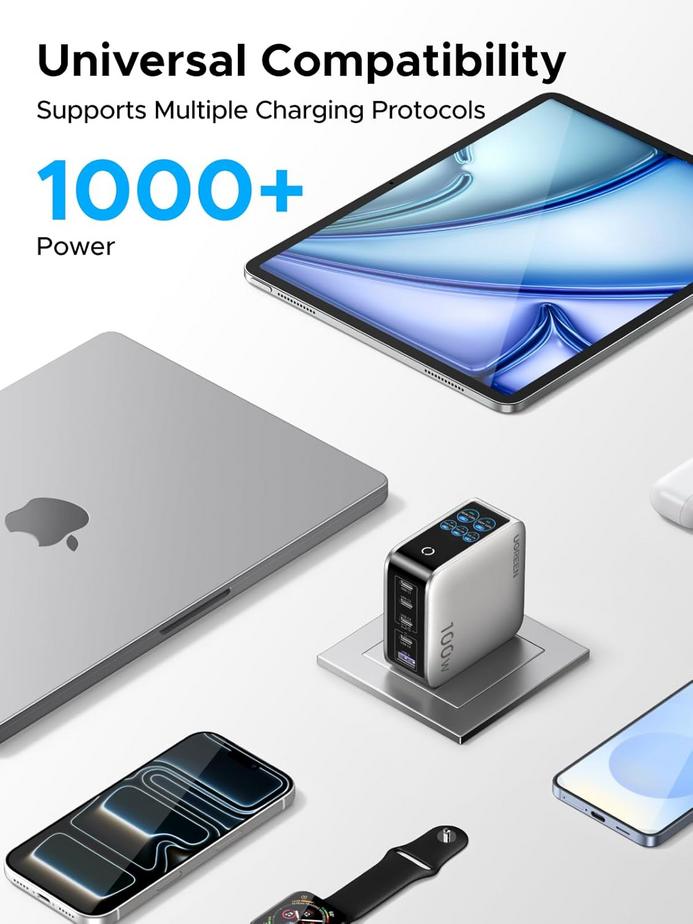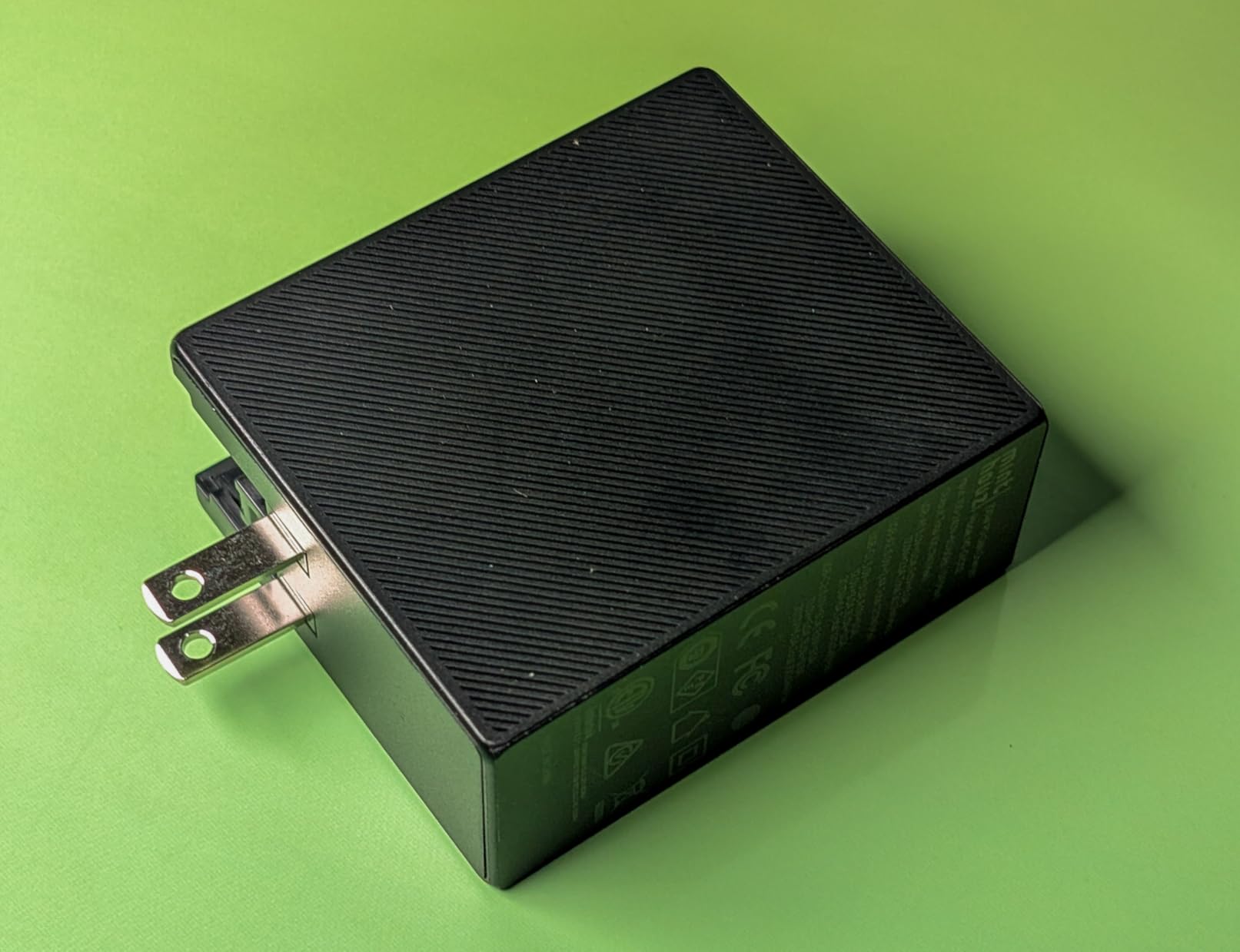
The power adapter that ships with a MacBook Pro is designed for one purpose: charging that specific laptop. It’s bulky, heavy, and occupies an entire outlet. For years, that was acceptable because most people only charged one or two devices at their desk. Then households accumulated more USB-C devices—iPads, iPhones after the switch from Lightning, portable gaming systems—and the single-purpose adapter became a bottleneck. People started looking for charging solutions that could handle multiple devices from one plug, not because their MacBook needed more power, but because everything else needed power at the same time.
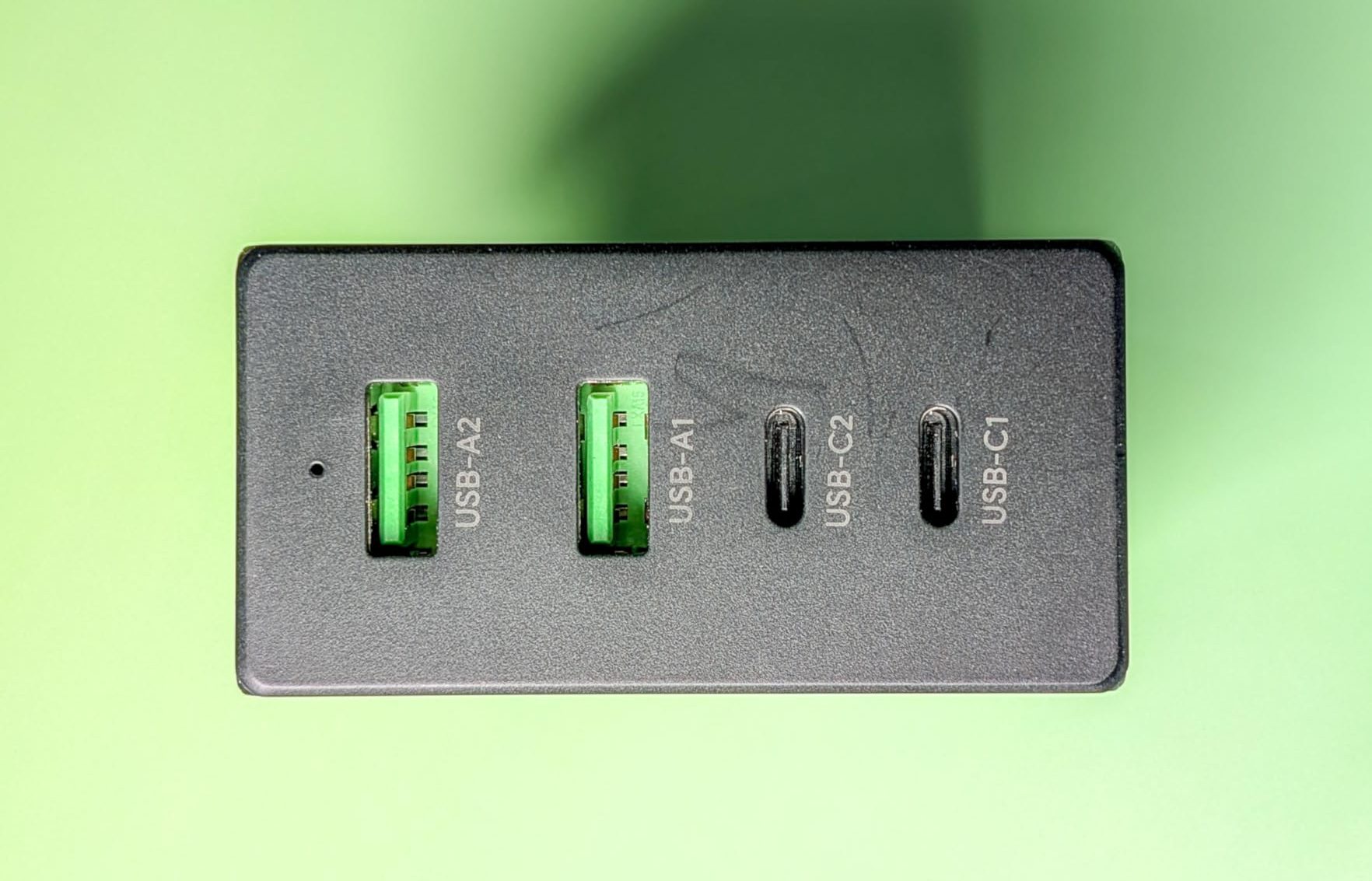
The four-port configuration with high wattage output addressed a specific use case: charging a laptop at full speed while also topping off smaller devices without negotiating which port to use. The MacBook Air draws less power than the Pro, which means it can share a charger with an iPad without either device charging slowly. The iPhone pulls even less, making it the lowest priority in the power hierarchy. That implicit ranking happens automatically through the charging station’s power distribution system, but users still develop informal rules about which devices get plugged in when all four ports are occupied.
The shift wasn’t about faster charging—it was about reducing the number of adapters competing for outlet space in increasingly device-dense households. Coffee shops, airports, and hotel rooms rarely have enough outlets for every device someone travels with. The four-port station collapsed that sprawl into a single point of access, which made it easier to set up in unfamiliar spaces and faster to pack when leaving. The adapter didn’t improve charging speed for any individual device, it just made simultaneous charging logistically simpler.
Steam Deck owners—many of whom also use MacBooks or iPads—found themselves in a peculiar position. The handheld gaming device requires substantial power to charge quickly, which means it competes directly with the MacBook for the highest-wattage port. Some people started charging the Steam Deck overnight and the MacBook during the day, staggering usage to avoid power conflicts. Others kept the original MacBook adapter as backup, using the four-port station only for lower-power devices. That redundancy defeated part of the consolidation purpose, but it also reflected a pragmatic reality: high-wattage devices don’t always share well.
Samsung Galaxy users who also owned iPads or MacBooks represented another edge case in the Apple ecosystem. The Android phone charged via USB-C just like everything else, but it sat outside the iCloud sync and AirDrop workflows that made the Apple devices feel interconnected. The charging station treated all devices equally—power is power—but the user experience remained fragmented. The phone charged alongside the tablet, but they didn’t communicate with each other in any meaningful way. The shared power infrastructure didn’t create ecosystem unity, it just made the lack of software integration more apparent.
The four-port station also introduced a new failure mode: if the adapter malfunctioned, every device connected to it stopped charging. That single point of failure was acceptable for people with backup chargers, but it created anxiety for travelers who relied on the station as their only charging solution. A broken adapter at home meant ordering a replacement. A broken adapter in a different city meant finding an electronics store or borrowing cables from hotel staff. The consolidation increased dependency, which magnified the consequences of hardware failure.
Previously listed at eighteen dollars, current versions of these high-wattage four-port charging stations appear around eleven dollars, a price that positions them as routine accessories rather than considered purchases. The cost is low enough that people often buy two—one for home, one for travel—which partially negates the consolidation benefit but provides redundancy. The station didn’t solve every charging problem, but it did remove the visual and logistical clutter of multiple adapters occupying the same power strip. That alone made it a fixture in homes where Apple devices outnumber available outlets.
"Note: Readers like you help support The Apple Tech. We may receive a affiliate commission when you purchase products mentioned on our website."