
As health tracking expands from steps and sleep to environmental factors, the gap between what iOS can monitor through the iPhone and what requires external sensors has become more apparent.
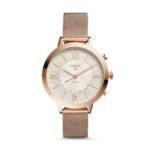
The iPhone knows how many steps you took today. It knows your heart rate, your sleep patterns, your workout intensity. It knows this because the Apple Watch collects it and syncs it seamlessly into the Health app. What it doesn’t know—what it can’t know without external hardware—is the quality of the air you’re breathing in your own home.
Air quality used to be something you thought about outdoors. Wildfire smoke. Smog. Pollen counts. iOS even surfaces outdoor air quality data in the Weather app, pulling from public monitoring stations. But indoor air is different. It’s affected by cooking, cleaning products, pet dander, off-gassing from furniture, humidity levels, and ventilation. None of this shows up in the Health app because there’s no Apple device that measures it.
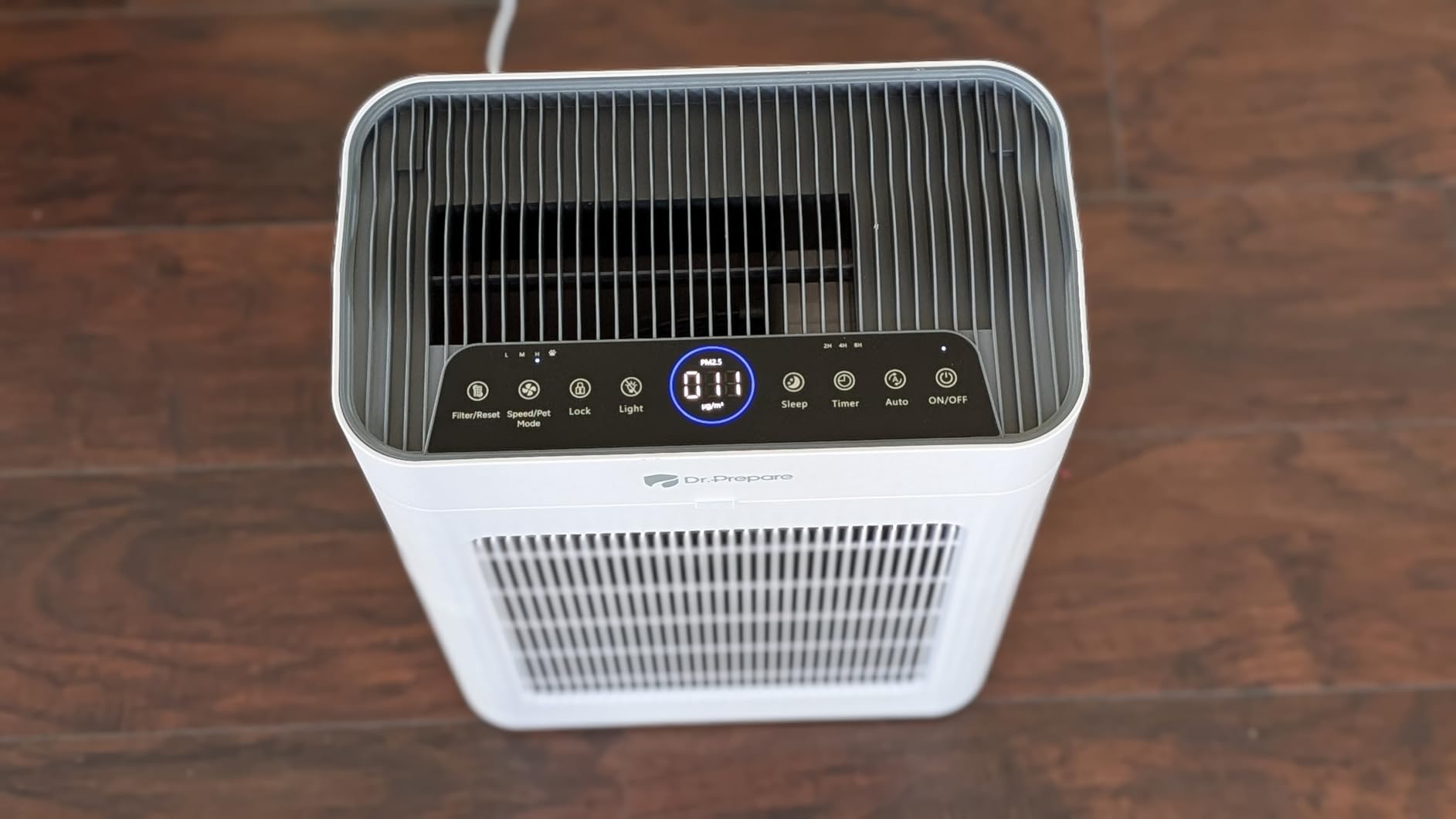
Standalone air purifiers with built-in sensors have started filling this gap, but they exist outside the Apple ecosystem. They have their own apps, their own notifications, their own way of presenting data. The Health app tracks heart rate, activity, and sleep through the Watch, but air quality remains something you monitor through a separate device with its own app and its own data silo. The integration that makes health tracking feel effortless with Apple hardware doesn’t extend here.
This creates a friction point for people who’ve come to expect that health-related data flows into a central repository. You can see your sleep score, your exercise minutes, your resting heart rate—all in one place. But particulate matter? That’s in a different app. Volatile organic compounds? Another screen. The data exists, but it’s fragmented, which reduces its utility. You’re less likely to notice patterns or correlations when everything lives in separate interfaces.

The absence of native air quality tracking in HomeKit is particularly conspicuous. Apple’s smart home platform supports temperature sensors, humidity sensors, motion detectors, and more. But air quality sensors—despite being increasingly common in consumer devices—don’t have a standardized HomeKit category. Some third-party devices claim HomeKit compatibility, but the implementation is often limited or requires workarounds. The ecosystem that promised to unify smart home control hasn’t fully absorbed air quality as a first-class concern.
Sleep mode features on air purifiers reflect an adaptation to how people actually use them. The device runs quietly at night, adjusting filtration levels based on detected pollutants without producing noise or light that would disrupt rest. This behavior mirrors how Apple thinks about the Watch’s sleep tracking—passively collecting data without requiring active management. But because the purifier and the Watch don’t communicate, you can’t see how air quality correlates with sleep quality unless you manually compare data from two different apps.
Pet owners represent a specific use case where indoor air quality becomes tangible. Dander, fur, and odors accumulate in ways that outdoor air quality measurements don’t capture. The iPhone can’t smell the litter box or detect the particulate matter from a shedding dog, but a sensor-equipped purifier can. The result is that pet owners end up managing air quality through hardware that feels adjacent to the Apple ecosystem but never quite integrated into it.
Previously listed at $120, current listings hover around $60 (CODE AMW3XAE5) for models with sensor arrays and app connectivity. The price point has made these devices more common, but their isolation from the broader health tracking infrastructure that Apple has built remains unchanged. Until iOS and HomeKit treat air quality as a native data type—something the system expects to exist and knows how to display—these devices will continue operating in parallel with the ecosystem rather than within it.
"Note: Readers like you help support The Apple Tech. We may receive a affiliate commission when you purchase products mentioned on our website."