AirPods excel at immersive audio, but situations that require environmental awareness—running near traffic, cycling, working in shared spaces—have pushed some users toward open-ear alternatives that don’t seal the ear canal.
AirPods Pro are designed to block out the world. Active noise cancellation seals you inside your audio, eliminating distractions and letting you focus on music, podcasts, or calls. This isolation is valuable in airports, on trains, in crowded offices. It becomes a problem the moment your safety depends on hearing what’s around you.
Runners encounter this first. You’re moving along a path or a road, and a car approaches from behind. With AirPods, you don’t hear it until it’s very close, which compresses your reaction time. Transparency mode helps, but it’s processing ambient sound through microphones and playing it back, which introduces latency and distortion. You’re hearing the environment secondhand, filtered through software, rather than directly.
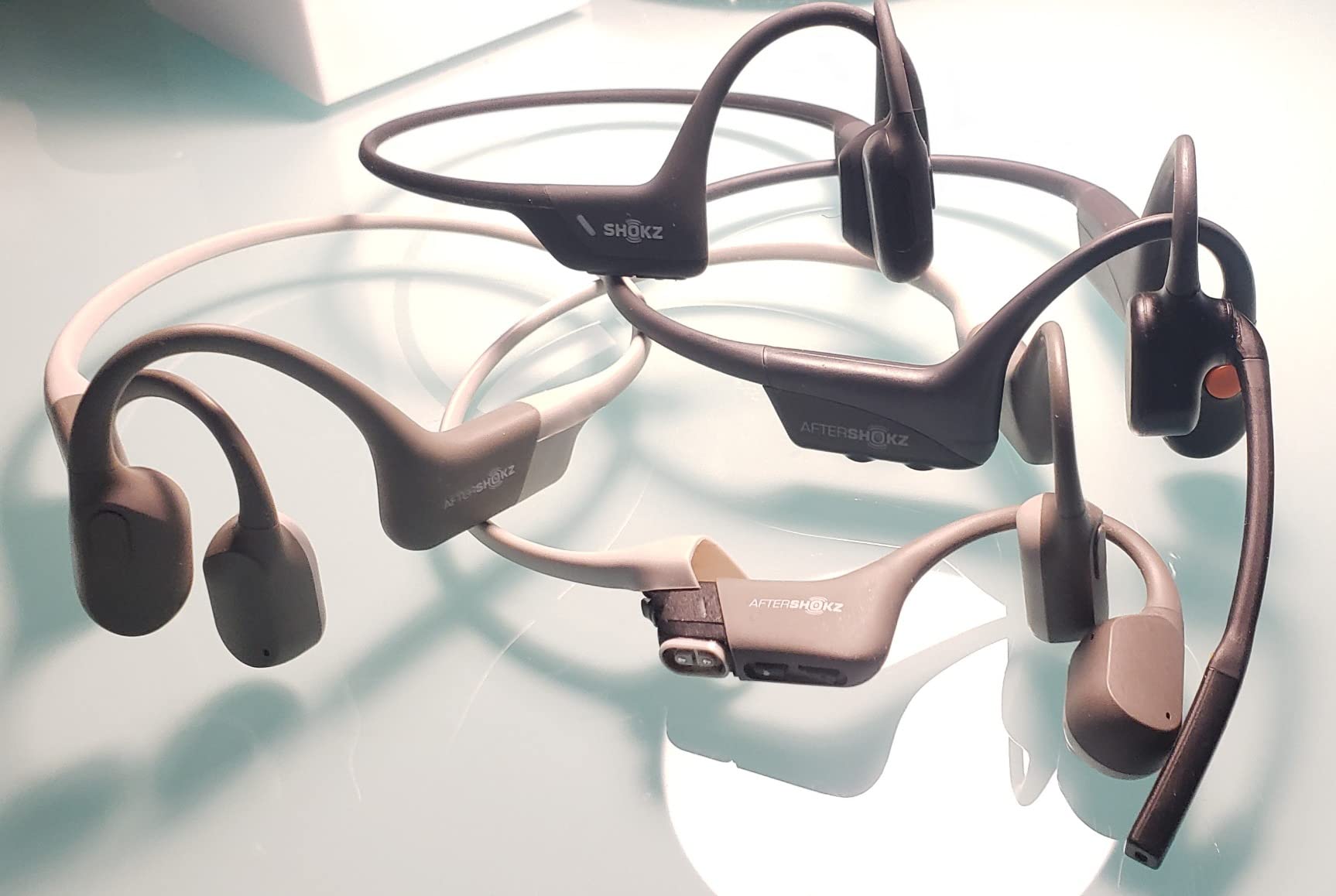
Bone conduction headphones bypass the ear canal entirely. They rest against the cheekbones and transmit sound through bone vibrations directly to the inner ear. This leaves the ear canal open, which means you hear the audio and the environment simultaneously. The car approaching from behind is audible. So is the cyclist announcing they’re passing, or the person trying to get your attention. The trade-off is explicit: you sacrifice isolation and bass response in exchange for knowing when a car is approaching or someone is calling your name.
Apple’s ecosystem doesn’t have a native equivalent. AirPods are in-ear or over-ear, both of which block or cover the ear to varying degrees. There’s no Apple-designed open-ear option, which leaves users who need situational awareness to seek third-party Bluetooth headphones that connect to the iPhone but don’t integrate with features like automatic device switching or spatial audio. The connection is basic Bluetooth pairing, functional but not seamless.
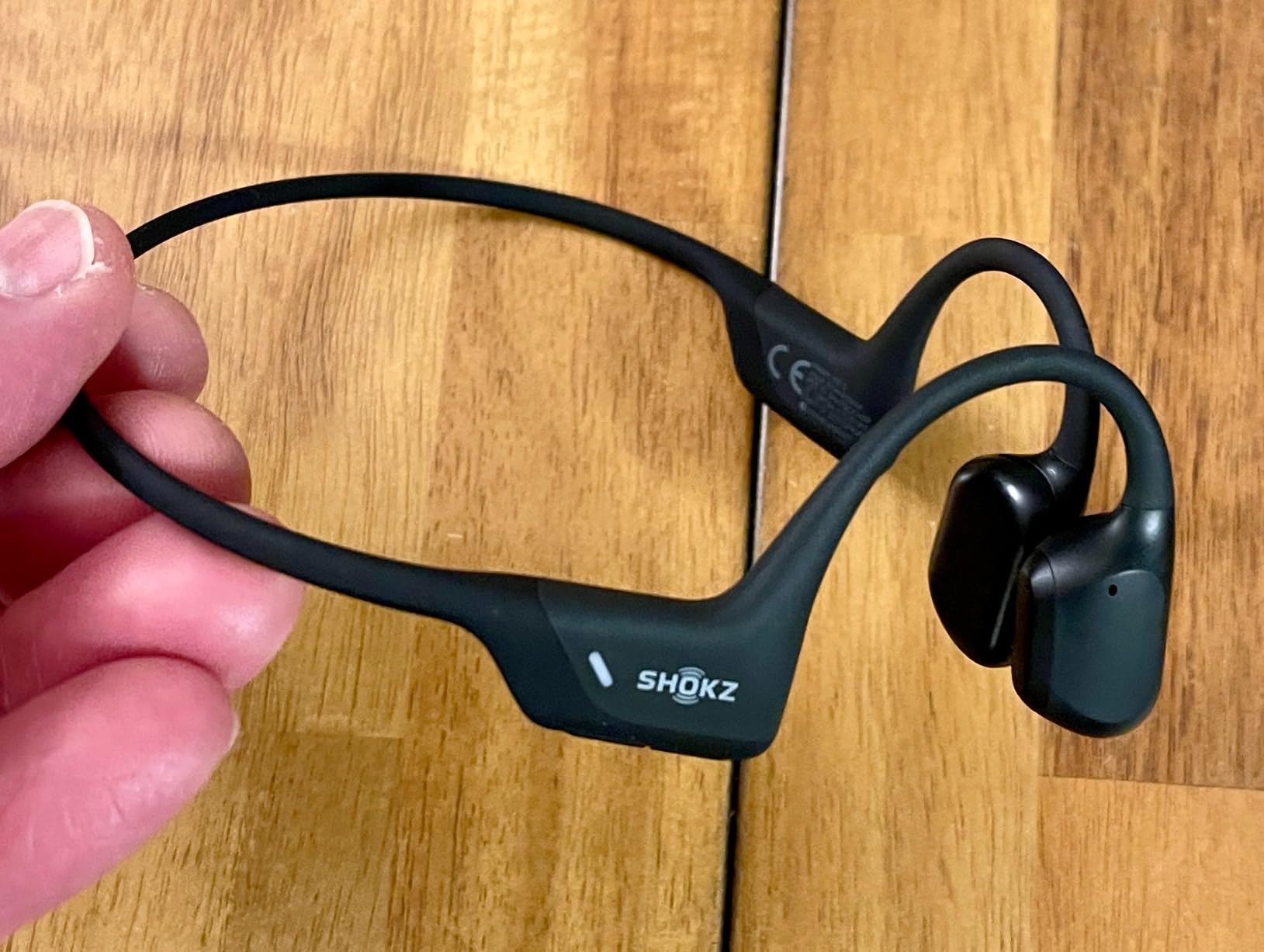
Battery life matters differently for open-ear headphones. AirPods Pro last around six hours, with the case providing additional charges. Bone conduction models often last longer per charge, but the case may not extend battery life as much. The expectation is that these headphones stay on for extended periods—long runs, full workdays—without needing frequent charging. Ten hours becomes more useful than six, even if the charging case is less elegant.
Sweat resistance is essential for headphones marketed toward runners and outdoor users, but it also matters for anyone using them in humid or rainy conditions. AirPods are water-resistant but not waterproof. Bone conduction models designed for sports often have higher IP ratings, which means they handle sweat, rain, and even brief submersion better. The durability reflects the use case: these are devices expected to endure weather and physical exertion, not just commutes and office work.
Sound quality for bone conduction is notably different from traditional headphones. Bass is weaker because low frequencies rely on air pressure in the ear canal, which doesn’t exist in bone conduction. Vocals and mid-range frequencies come through clearly, but music that depends on heavy bass sounds thin. This matters less for podcasts or audiobooks, where clarity is more important than full-spectrum audio. The user is choosing open-ear awareness over audio fidelity, accepting the compromise as necessary for the context.
Previously listed at $180, current listings hover around $110 for models with extended battery life and premium audio tuning within the constraints of bone conduction. The price point is comparable to AirPods Pro, but the use case is narrower. These aren’t everyday headphones for most people—they’re situational tools that address specific environments where AirPods’ isolation creates risk. The iPhone supports them as generic Bluetooth audio devices, but the ecosystem doesn’t embrace them as it does AirPods, leaving users to manage the connection and limitations independently.
"Note: Readers like you help support The Apple Tech. We may receive a affiliate commission when you purchase products mentioned on our website."