
Apple’s subsidiary brands now appear on iPhone accessories in ways that blur product hierarchy and confuse the visual language users expect from ecosystem purchases.
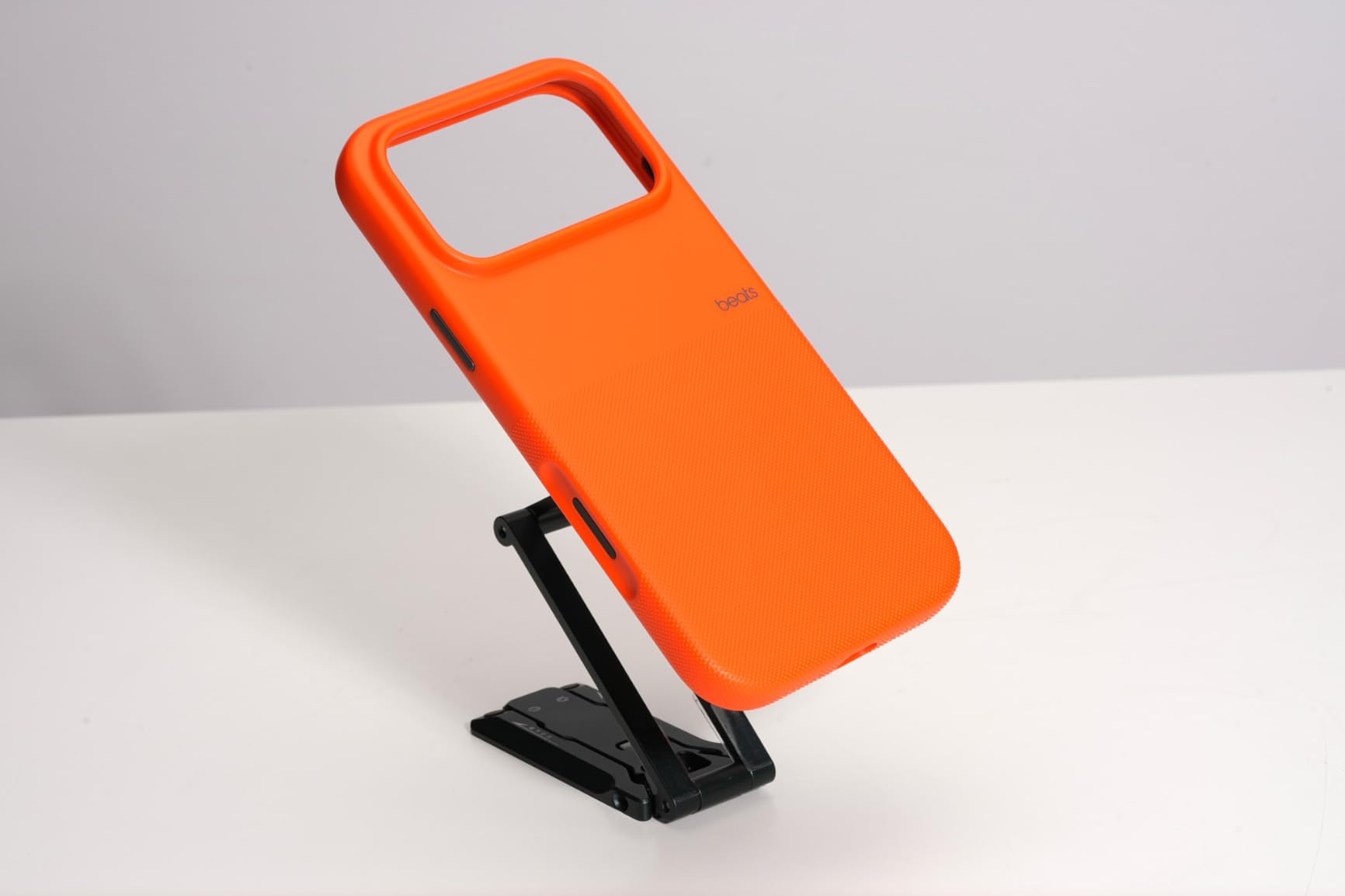
The case itself performs the basic function of protection, but its branding introduces a question that wouldn’t exist with Apple’s own silicone or leather alternatives. Beats, the audio brand Apple acquired in 2014, has historically stayed in its lane: headphones, earbuds, occasionally speakers. Its visual identity—bold logos, saturated colors—contrasts sharply with Apple’s minimalist approach to iPhone accessories. Seeing the Beats name on an iPhone case, then, creates a small cognitive dissonance that Apple rarely permits elsewhere in its ecosystem.
MagSafe compatibility is present, as is support for Camera Control, the physical button introduced with the iPhone 16 lineup. These are ecosystem features, governed by Apple’s technical standards and design requirements. Yet the case itself doesn’t carry Apple branding. It carries Beats branding, positioning itself as something adjacent to the iPhone rather than native to it. The distinction matters more than it should, particularly for users who’ve come to expect visual consistency from anything that attaches directly to their device.
The materials—matte finish, microfiber lining—mirror Apple’s own case offerings. The color palette, including options like Granite Gray, avoids the louder aesthetic Beats typically employs for its audio products. What remains is an object that feels like it’s trying to occupy two brand identities at once: Beats in name, Apple in execution. The result doesn’t quite land in either camp.
This isn’t the first time Apple has allowed subsidiary branding to appear on iPhone accessories, but it’s rare enough to feel notable. Most third-party manufacturers clearly identify themselves as separate entities. Beats, however, exists in a liminal space—owned by Apple, operated with some autonomy, recognized by consumers but not always understood as part of the same corporate structure. The case becomes a physical artifact of that ambiguity.
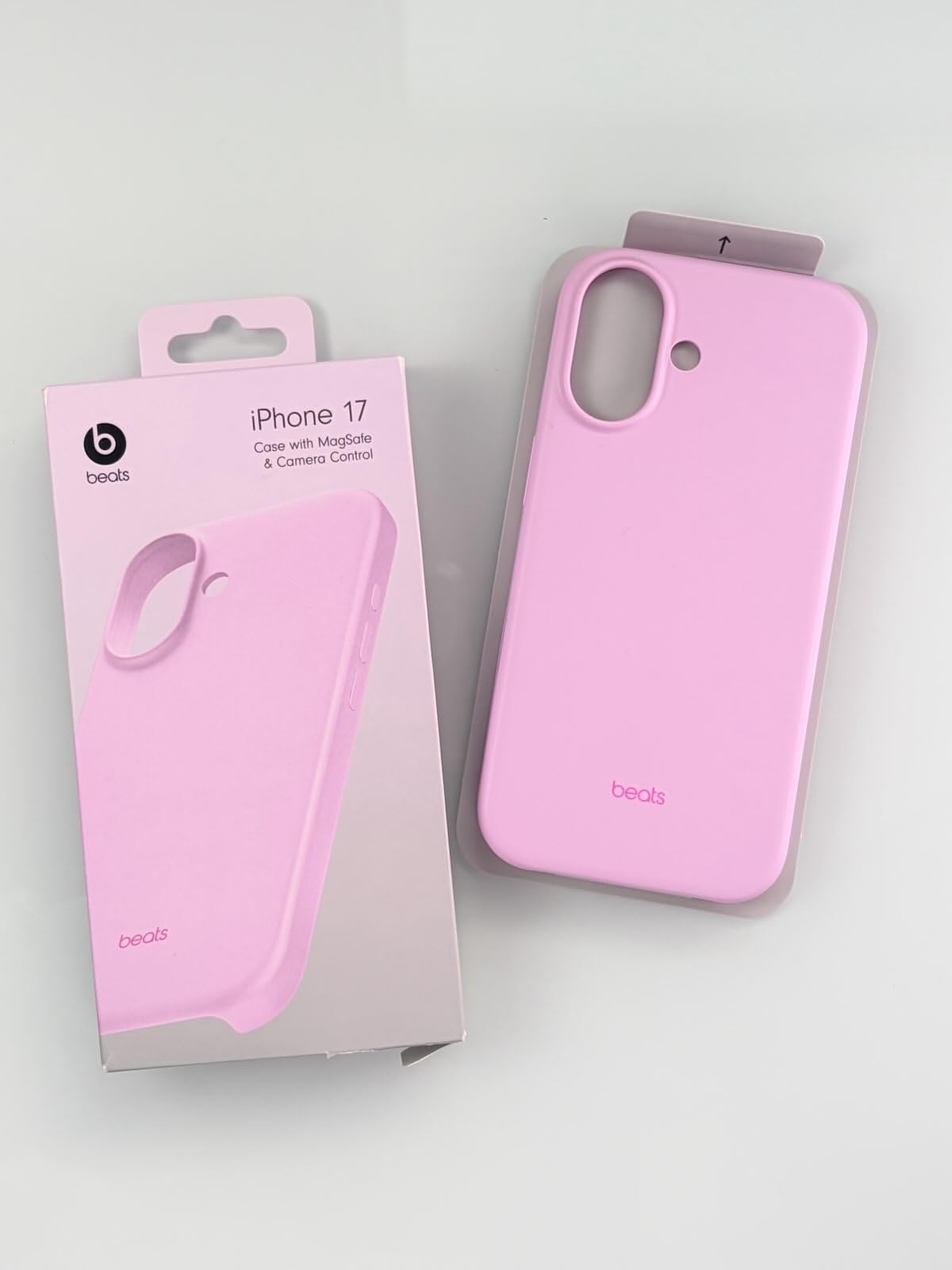
For users, the decision to choose this case over an Apple-branded alternative introduces a small friction point. Is this an official Apple product? Does it carry the same warranty expectations? Will it receive the same ecosystem integration updates? The answers aren’t immediately clear, and Apple hasn’t made them clearer. The Beats branding suggests independence; the MagSafe and Camera Control support suggest integration.
What’s missing is any explanation from Apple about why Beats is making iPhone cases in the first place. The company doesn’t comment on its product strategy for subsidiary brands, leaving users to interpret the signals themselves. Some may see the Beats logo as a mark of authenticity. Others may view it as evidence of brand dilution, a sign that the iPhone accessory landscape has become too diffuse for Apple to control directly.
The pricing reflects this ambiguity. Previously listed at $45, current listings hover around $11.96 for configurations supporting the latest iPhone models. The drop suggests either aggressive market correction or misalignment between initial positioning and consumer willingness to pay Beats prices for what amounts to an Apple case with different branding.
"Note: Readers like you help support The Apple Tech. We may receive a affiliate commission when you purchase products mentioned on our website."