
The rise of wireless charging has created a new behavioral pattern among iOS users: carrying backup power as insurance against a possibility that rarely materializes but feels too risky to ignore.
The portable charger has become less about actual depletion and more about the psychological comfort of knowing it’s there. Most iPhone users finish the day with battery to spare, yet the slim power bank remains a fixture in bags and pockets. This isn’t a response to poor battery life—modern iPhones routinely last a full day under normal use—but rather a hedge against unpredictability. The “what if” scenario that justifies the extra weight.
MagSafe changed the nature of this relationship. Earlier battery packs required cables and conscious effort. The magnetic attachment Apple introduced means the charger can snap onto the back of an iPhone 15 or 16 without fumbling for a port. It’s frictionless in the literal sense, which makes it easier to justify carrying. The barrier to use dropped low enough that the behavior stuck, even when the need didn’t materialize as often as expected.
The ritual now has its own logic. Some users attach the pack before leaving home, treating it as a precautionary layer rather than an emergency tool. Others keep it in a bag compartment, organized alongside other objects they carry but seldom touch. The charger exists in a liminal category: not quite essential, but uncomfortable to leave behind. It’s the digital equivalent of carrying an umbrella when rain seems unlikely.
What’s changed is the visual feedback. LED indicators track remaining power in real time, turning abstract percentages into something concrete. Users glance at these displays the way they might check their iPhone’s battery icon—compulsively, without immediate purpose. The information is comforting even when it confirms nothing urgent. The pack is charged; the phone is charged; the day proceeds as planned.
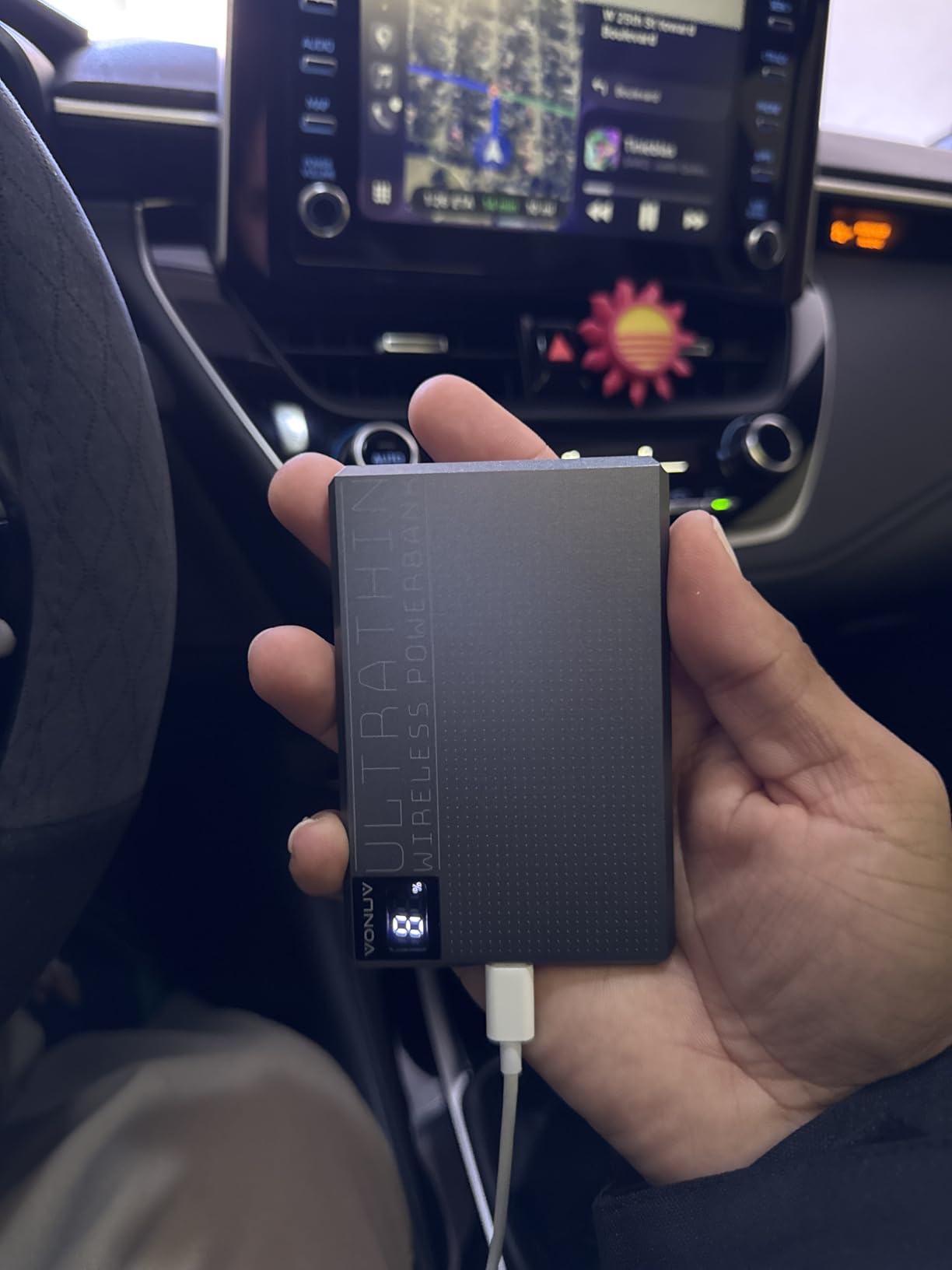
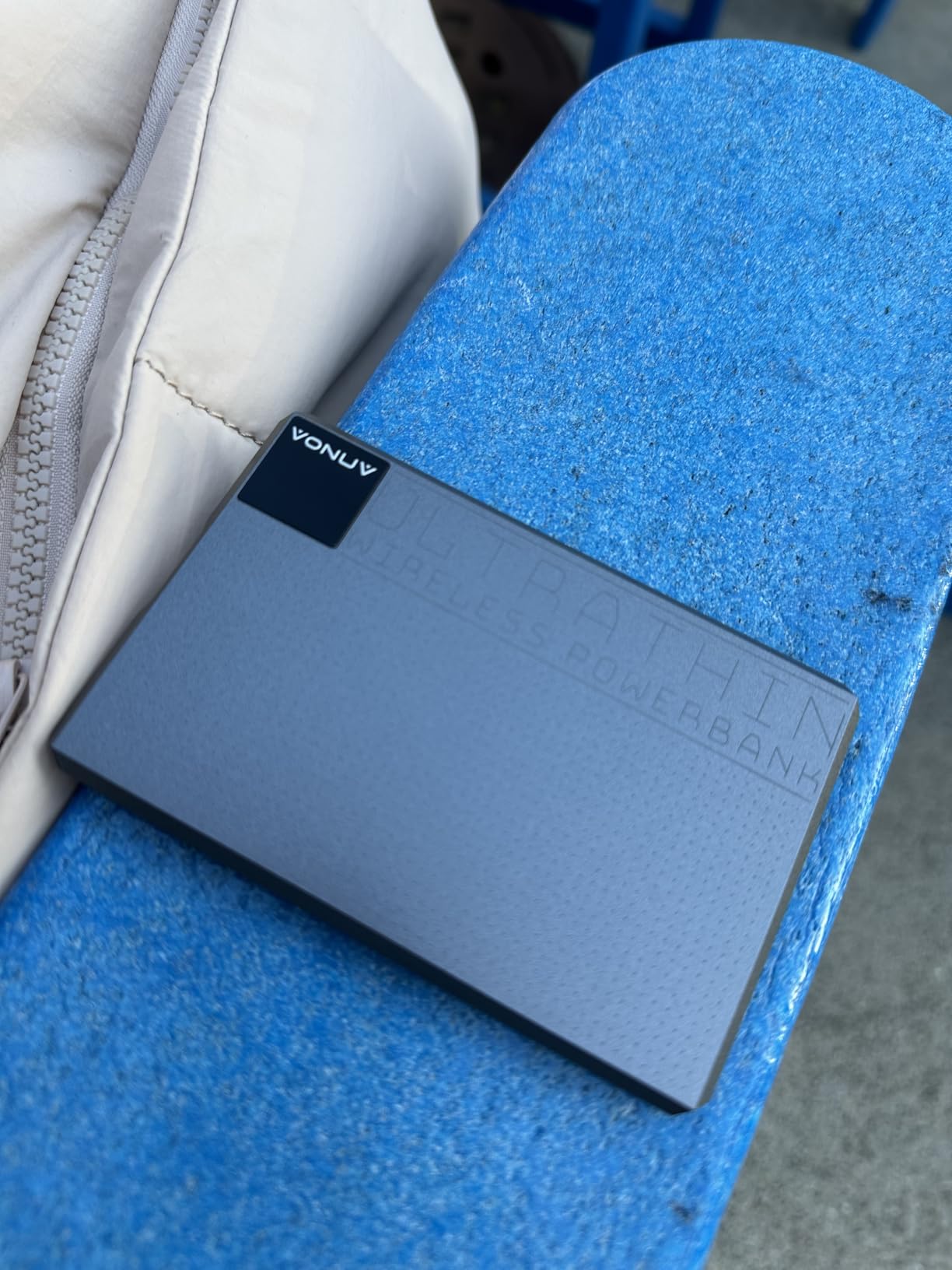
Apple’s own MagSafe Battery Pack was discontinued, leaving a gap that third-party manufacturers filled with variations on the same theme: magnetic attachment, wireless charging, slim profiles designed to minimize bulk. The capacities hover around 5,000mAh, enough to top off an iPhone once, maybe twice depending on the model. It’s sufficient for the edge cases users imagine—the unexpected late night, the navigation-heavy road trip—but not substantial enough to eliminate battery awareness entirely.
The pricing on these accessories has compressed over time. What once commanded premium positioning now sits in a mid-tier range where iPhone users feel less hesitation about purchasing. Previously listed at $29.99, current listings hover around $12.89 (CODE IRATUC9M) for configurations offering both magnetic wireless charging and wired fast-charging via USB-C. The drop suggests the category has matured past novelty into something closer to commodity, though the behavior it enables remains tied specifically to iPhone ownership and the anxieties that come with it.
Some never use the pack they carry. Others drain it weekly. The variance doesn’t seem to affect the purchasing decision. The object itself has become part of the iPhone user’s standard kit, valued not for its measurable utility but for the uncertainty it resolves before that uncertainty ever becomes real.
"Note: Readers like you help support The Apple Tech. We may receive a affiliate commission when you purchase products mentioned on our website."