
The rise of remote work and multi-device Apple households has shifted home network hardware from background infrastructure to something requiring active management and occasional investment.
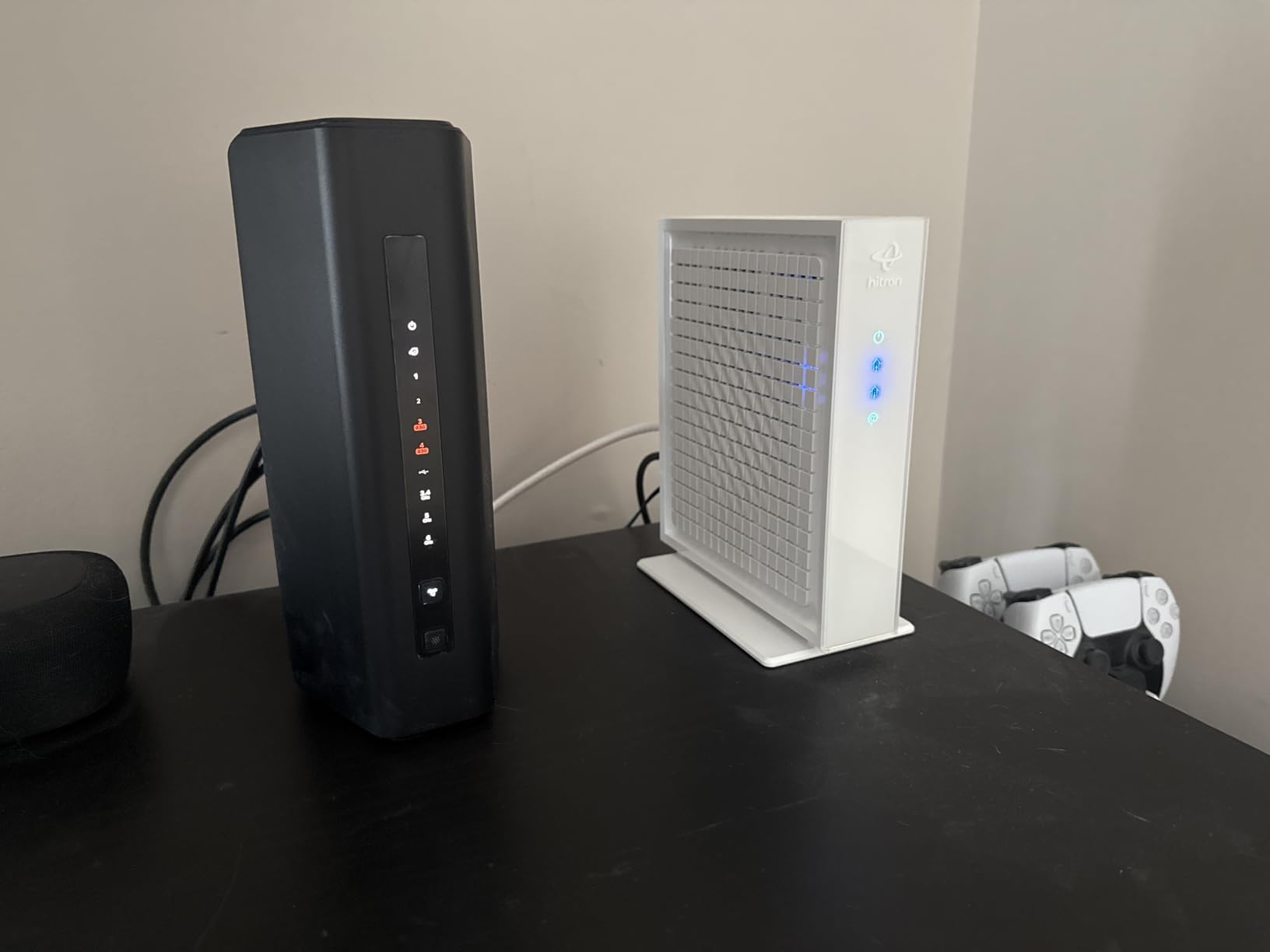
The router used to be something you set up once and forgot about; now it’s the invisible foundation that every Apple device depends on constantly. iPhones sync photos to iCloud. MacBooks pull down software updates. iPads stream video while Apple Watches check for notifications. HomePods respond to Siri queries. AirTags report their location. The simultaneous demand on home networks has grown beyond what basic ISP-provided equipment was designed to handle, pushing users toward hardware that can manage dozens of concurrent connections without degradation.
Apple doesn’t make routers anymore. The AirPort line was discontinued in 2018, leaving the company’s ecosystem without a native networking solution. What followed was a gradual realization among users that their home WiFi had become a bottleneck they couldn’t ignore. Dropped connections during video calls, sluggish iCloud syncing, buffering on Apple TV—these weren’t device problems but infrastructure problems, and solving them meant looking beyond Apple’s product catalog.
The specifications matter now in ways they didn’t a decade ago. Tri-band routers, mesh systems, WiFi 7 support—these terms have entered the vocabulary of users who previously thought about networking only when something stopped working. The shift reflects how central wireless connectivity has become to basic Apple ecosystem functionality. A MacBook without reliable WiFi is functionally offline. An iPhone without network access loses half its utility. The router isn’t an accessory to these devices; it’s a prerequisite.
Coverage area has become another consideration. Larger homes or homes with difficult layouts—thick walls, multiple floors, concrete construction—expose the limitations of single-router setups. Mesh networks promised to solve this, and to some extent they did, but they also introduced new management overhead. Multiple nodes need placement, configuration, and occasional troubleshooting. The simplicity of a single router is gone, replaced by a distributed system that works better but requires more attention.
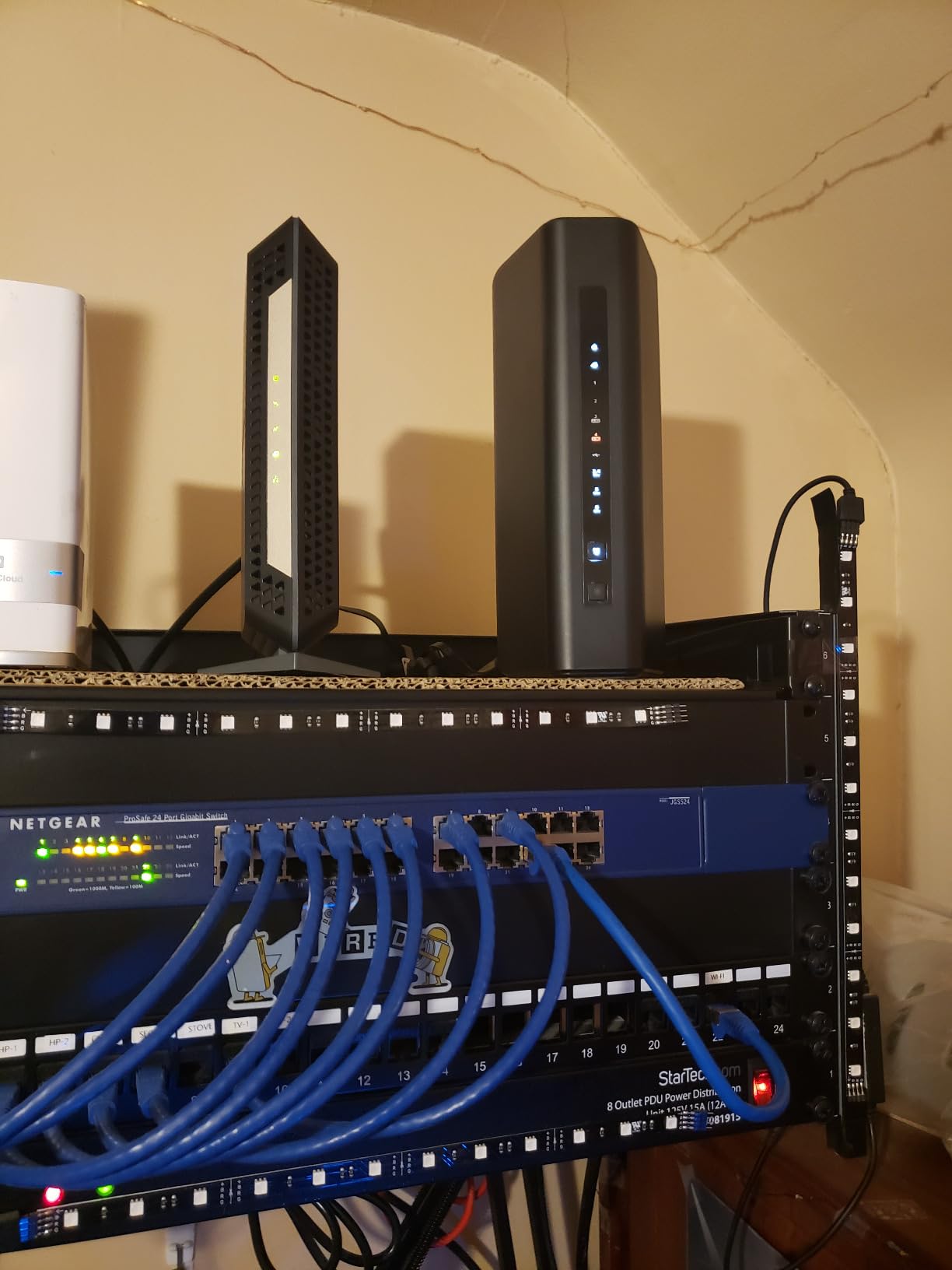
Device limits have also become relevant. The typical Apple household now easily exceeds twenty connected devices: phones, tablets, computers, watches, TVs, speakers, security cameras, smart home accessories. Routers marketed for consumer use often cap out well below a hundred simultaneous connections, and those that support more carry price tags that position them as premium infrastructure rather than commodity hardware. Users are paying for capacity that matches their ecosystem’s appetite.
Gaming and 4K streaming have added bandwidth demands that compound the device count issue. An Apple TV pulling a 4K HDR stream while someone on a MacBook attends a video call and another person’s iPhone uploads a photo library to iCloud—all of this happens simultaneously, and the router must allocate bandwidth intelligently or everything suffers. Quality-of-service features, once relevant only to network administrators, now appear in consumer router interfaces because users need them.
The pricing on high-capacity WiFi 7 routers reflects their position as essential infrastructure for connected households. Previously listed at $279.99, current listings hover around $189.99 for tri-band systems rated for 2,500 square feet and up to a hundred devices. These aren’t impulse purchases; they’re investments in the foundation that makes Apple’s ecosystem function as intended across an entire home.
"Note: Readers like you help support The Apple Tech. We may receive a affiliate commission when you purchase products mentioned on our website."