
Vertical input devices address repetitive strain that Apple’s own peripheral design ignores, creating a category where function explicitly overrides form.
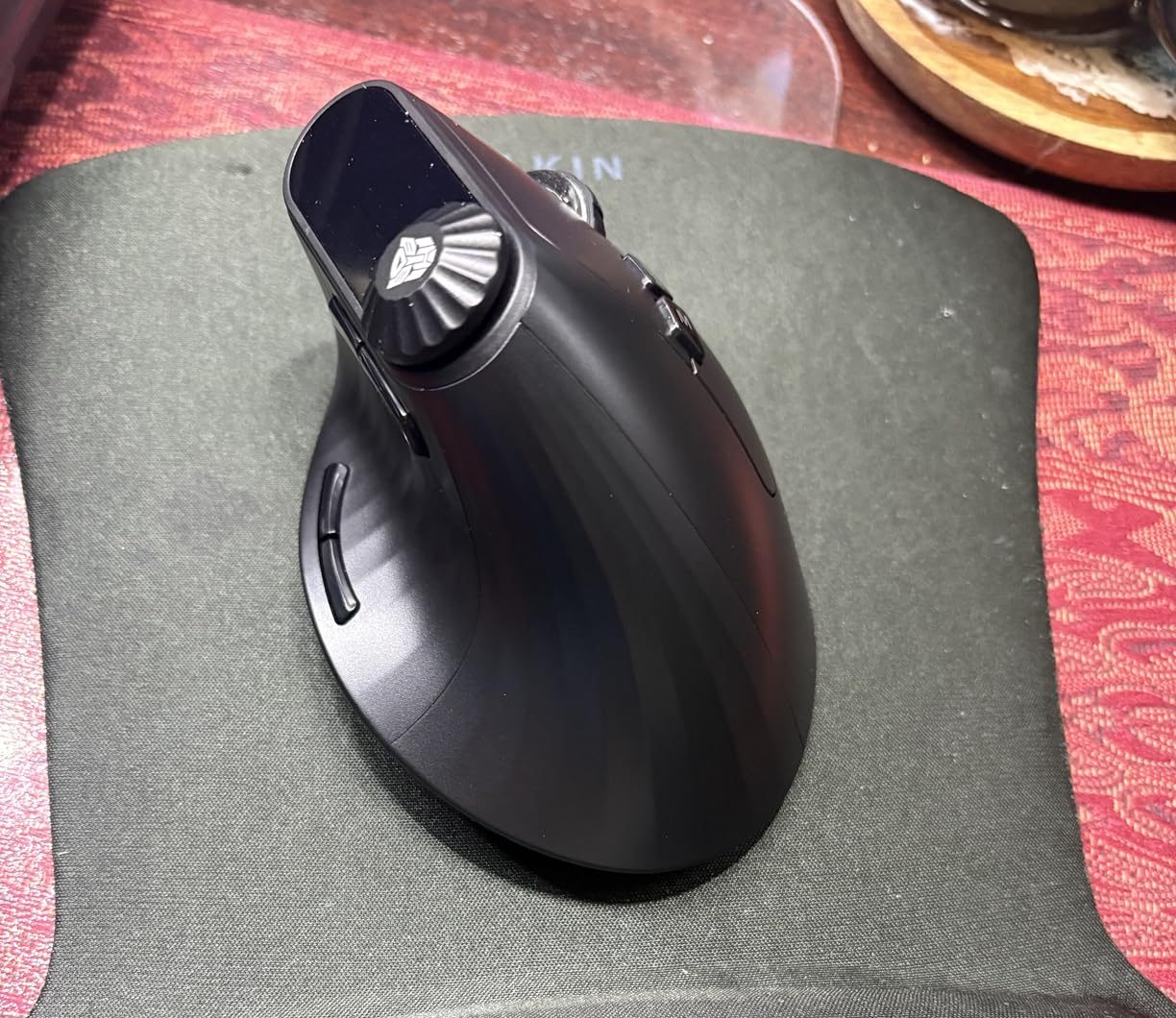
There’s a specific type of pain that develops slowly enough that you don’t notice until it’s chronic. Wrist discomfort from traditional mouse use accumulates over years of eight-hour workdays, manifesting as numbness or shooting pain that makes clicking feel like punishment. Mac users face a choice: tolerate the discomfort while using Apple’s elegantly flat Magic Mouse, or embrace peripherals that look aggressively utilitarian but reposition the hand into something closer to a handshake. The ergonomic mouse market exists because beauty and biology are often incompatible.
LED screens on input devices serve no functional purpose beyond novelty, yet they’ve proliferated across the peripheral market as manufacturers search for differentiation. Battery indicators, DPI readouts, custom graphics—information that could be conveyed through software now gets its own tiny display. Mac users accustomed to Apple’s “invisible technology” ethos find this trend baffling or charming depending on temperament. The screen is unnecessary. It’s also kind of fun. This tension doesn’t resolve.
Knob controls represent a physical interface paradigm that touchscreens were supposed to eliminate. Tactile feedback, rotational precision, the satisfying resistance of a well-designed dial—these sensations persist in professional audio and video workflows despite decades of digitization. Adding knob control to a mouse acknowledges that some adjustments benefit from analog input, even when the underlying system is entirely digital. iPad workflows, particularly for creative work, sometimes suffer from the absence of this kind of direct manipulation.
Three-device connectivity addresses a real pattern in Apple ecosystem use: people actively switch between iPhone, iPad, and Mac throughout the day, often within the same hour. A mouse that pairs to all three and switches seamlessly sounds ideal until you’re clicking on the wrong device because you forgot to manually toggle connections. The technology enables effortless switching; human attention spans haven’t evolved to match. Most users end up dedicating the mouse to one primary device despite paying for multi-device capability.
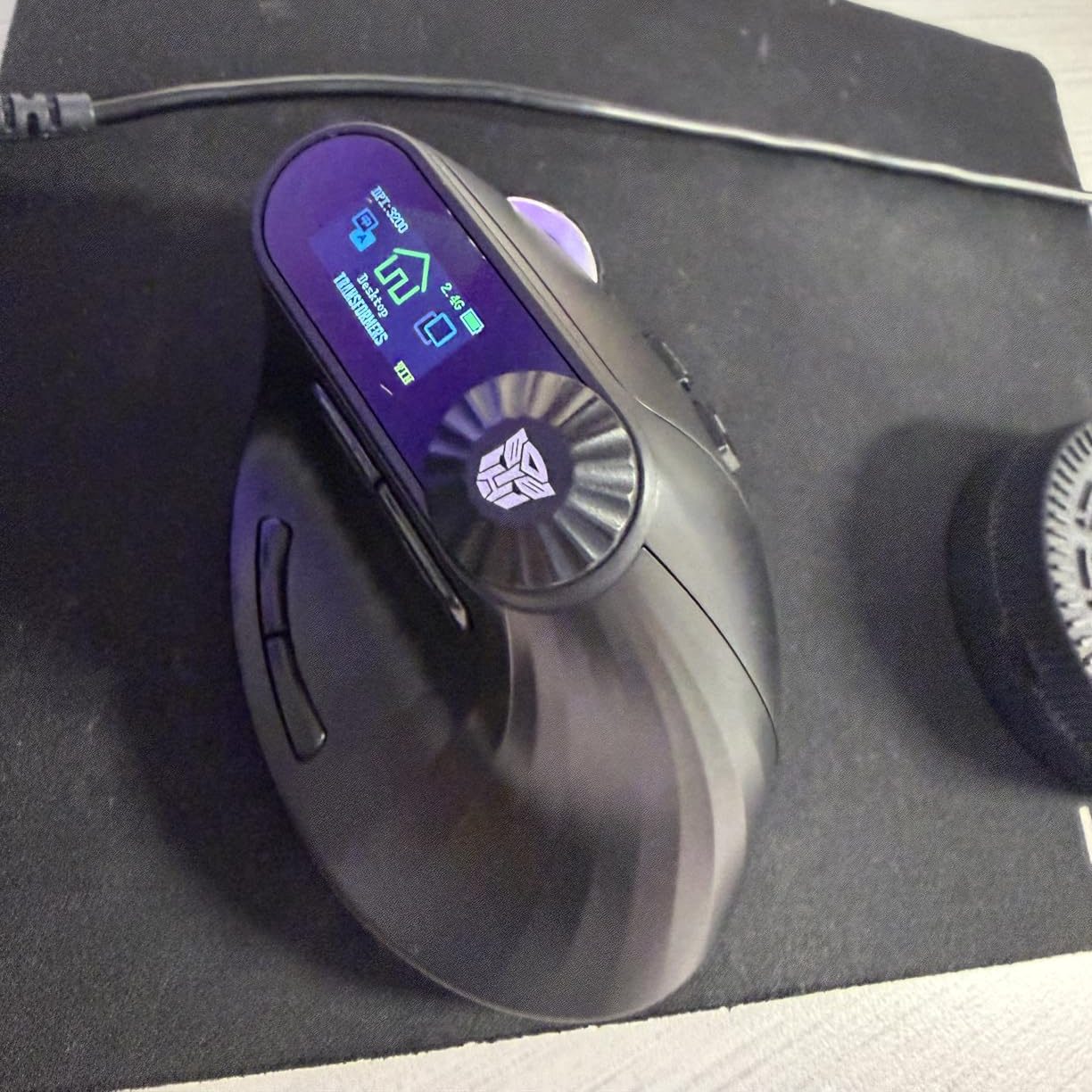
Bluetooth connectivity introduces latency that gamers notice and everyone else doesn’t. For cursor movement in documents or web browsing, the millisecond delays are imperceptible. For precise design work or competitive gaming, they’re disqualifying. Mac users doing creative professional work sit in an awkward middle—not gaming, but not purely productivity either. The 2.4GHz wireless option provides lower latency but requires a USB dongle, which conflicts with MacBook designs that have systematically eliminated ports.
Silent clicks solve a problem that open-plan offices and home working arrangements have made universal. The satisfying click of mouse buttons becomes acoustic pollution when multiplied by five colleagues on video calls in the same room. Quiet operation used to be a premium feature; it’s now baseline expectation for anyone working around others. Apple’s own mice remain audibly clicky, suggesting the company hasn’t prioritized this particular friction point.
Rechargeable batteries eliminate the ritual of replacing AAA cells but introduce the new ritual of remembering to plug in peripherals before they die mid-workday. Mac users accustomed to devices that warn of low battery well in advance report being caught off-guard by mice that go from “fine” to “dead” within an hour. The improvement over disposable batteries is genuine; the new failure mode is just different. Previously listed at $48.86, current listings hover around $39, pricing that positions ergonomic mice as corrective accessories rather than luxury upgrades—because that’s fundamentally what they are, solutions to problems that Apple’s design philosophy created then declined to address.
"Note: Readers like you help support The Apple Tech. We may receive a affiliate commission when you purchase products mentioned on our website."