
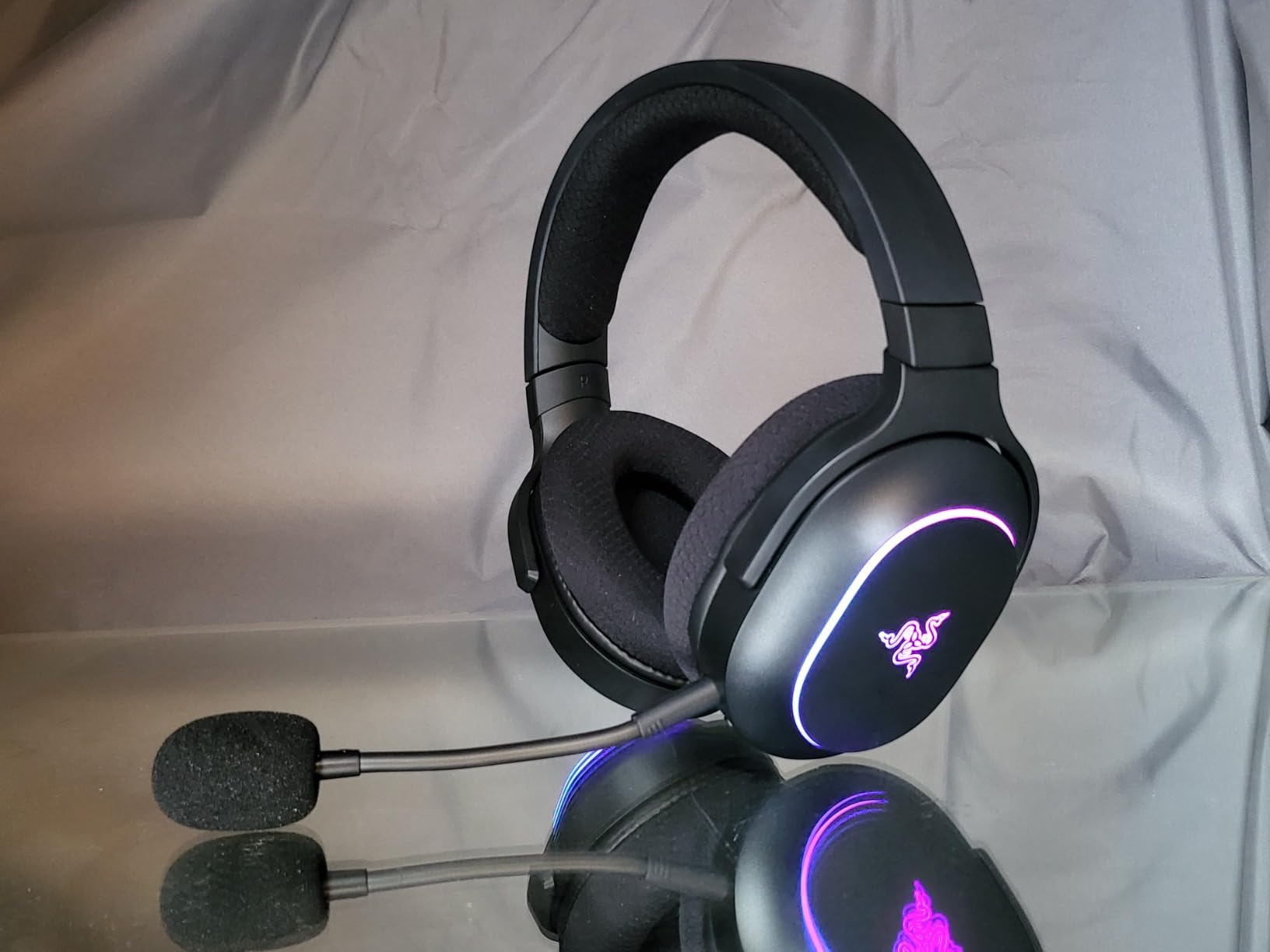
Cross-platform wireless audio reveals iOS as an afterthought in gaming hardware design, with connectivity features prioritized for consoles and PCs over Apple’s ecosystem.
Gaming peripherals exist in an uncomfortable middle ground between Apple’s ecosystem and everyone else’s. Products marketed with multi-platform support technically work with iPhones and Macs, but the experience carries the unmistakable texture of accommodation rather than integration. Features optimized for PlayStation and PC receive full implementation; iOS compatibility gets basic Bluetooth pairing and little else. The hierarchy is obvious once you notice it.
RGB lighting on audio hardware represents everything Apple design philosophy rejects, yet it persists across gaming categories because a certain user base demands visual customization. iPhone owners who also game on other platforms find themselves carrying hardware that looks aggressively out of place in Apple’s minimalist aesthetic. The cognitive dissonance of pairing a device covered in rainbow LEDs to a pristine MacBook encapsulates the culture clash between gaming and Apple ecosystems.
Seventy-hour battery life positions these devices in direct competition with Apple’s own wireless offerings, which cap out around thirty hours with charging cases included. The discrepancy matters less for casual listeners and significantly more for people who forget to charge devices for weeks at a time. Gaming headsets designed for marathon sessions happen to excel at marathon everything else—commutes, travel, workdays where charging breaks aren’t an option.
Dual connectivity between 2.4GHz wireless and Bluetooth serves different latency requirements, but most iPhone users never experience the low-latency mode because iOS devices can’t utilize the proprietary wireless dongle. This creates a two-tier experience where Android users or PC gamers get superior performance while iPhone owners default to standard Bluetooth with its inherent lag. The feature set exists; access to it doesn’t.
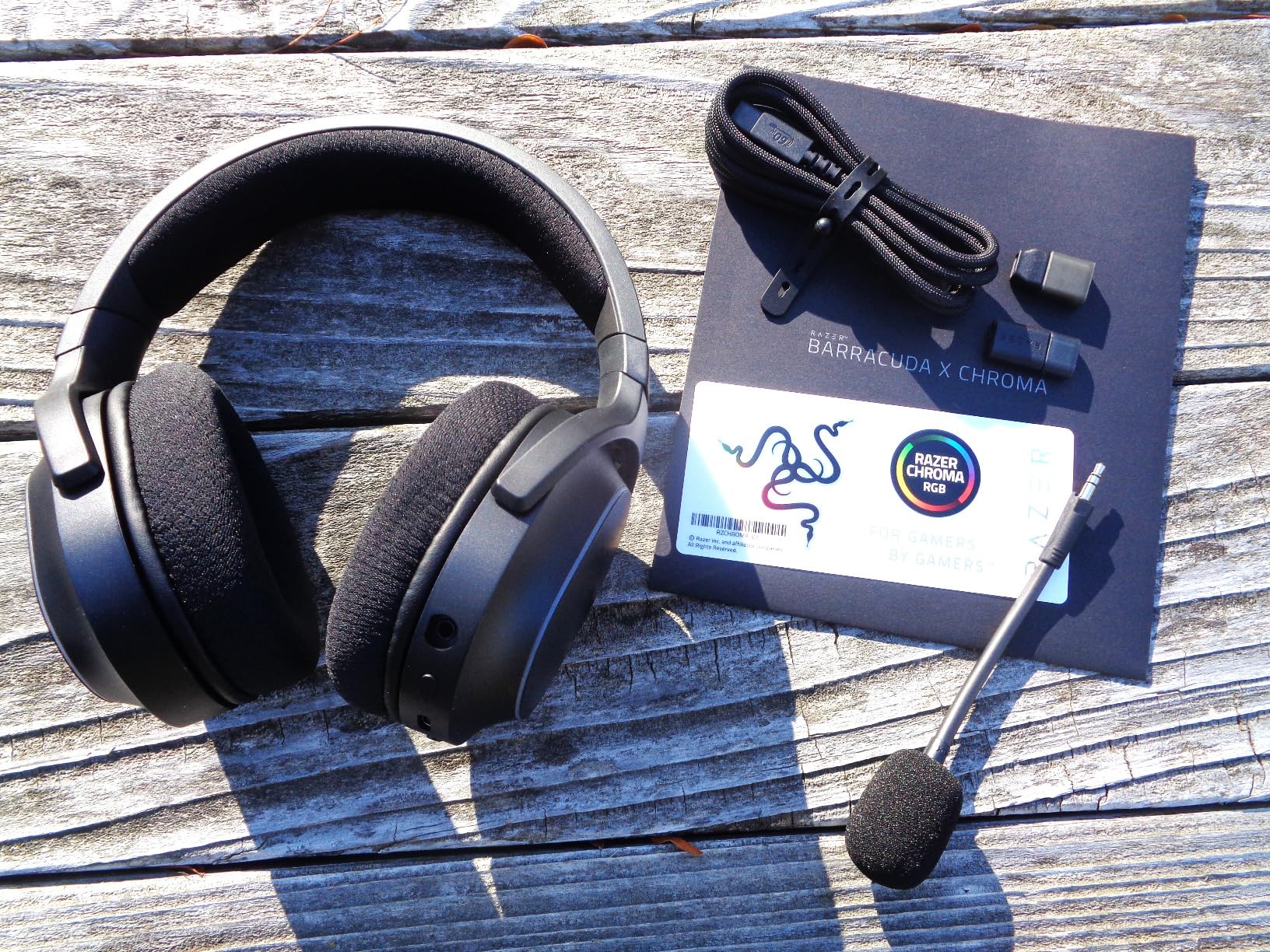
Cardioid microphone patterns reduce background noise pickup, a specification that matters enormously in competitive gaming but offers minimal benefit for FaceTime calls in quiet rooms. iPhone users paying for gaming-grade voice capture rarely utilize the precision they’re funding. The hardware serves its primary audience—console and PC gamers—while mobile users inherit overpowered solutions to problems they don’t have.
Weight distribution affects comfort over extended sessions, but “lightweight” means different things depending on reference point. Compared to studio monitoring headphones, gaming headsets feel insubstantial. Compared to AirPods Max, anything under 300 grams feels like a relief. iPhone users migrating from Apple’s own over-ear option discover that comfort is relative and that sometimes less premium materials translate to less neck strain.
Platform compatibility lists always include Mac and iPhone, usually near the end after PlayStation, Xbox, Switch, and PC. The ordering reflects priority, not prejudice, but the cumulative effect is that Apple ecosystem users approach gaming peripherals expecting partial functionality. This expectation has become self-fulfilling—manufacturers invest development resources where the user base is largest, leaving iOS gaming as the platform that technically works but never quite feels native. Previously listed at $129.99, current listings sits around $99.99, pricing that positions these as crossover devices for people who game sometimes and use Apple products primarily, acknowledging that few users exist solely in either world.
"Note: Readers like you help support The Apple Tech. We may receive a affiliate commission when you purchase products mentioned on our website."