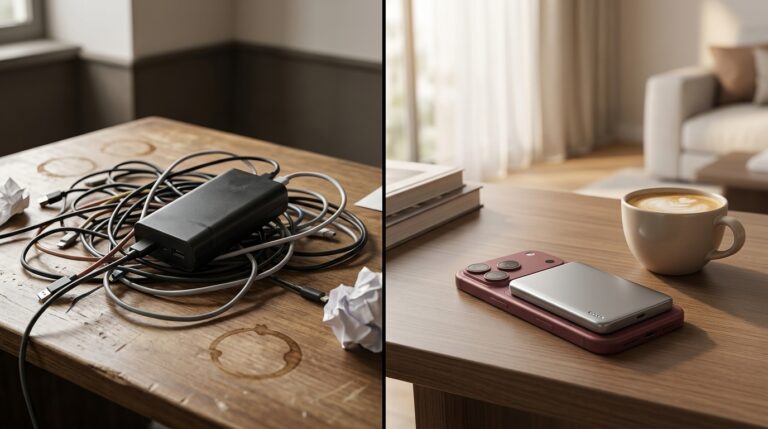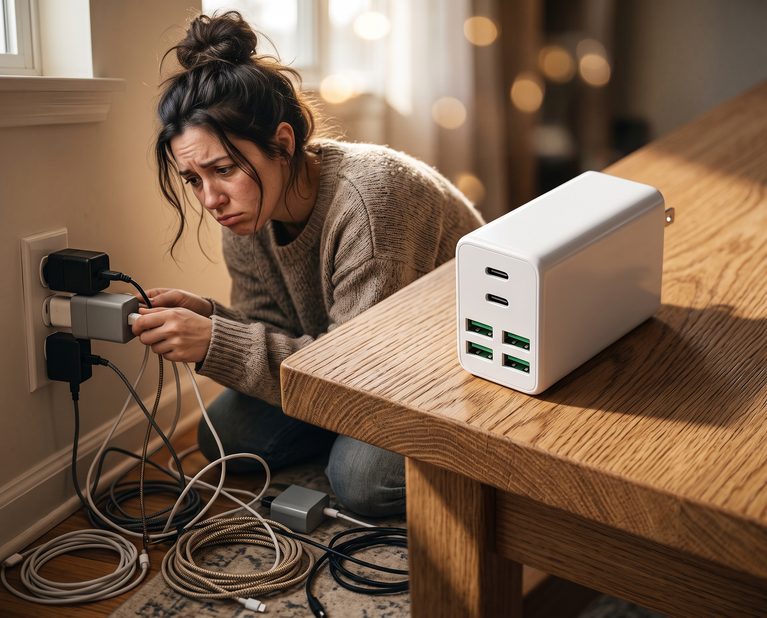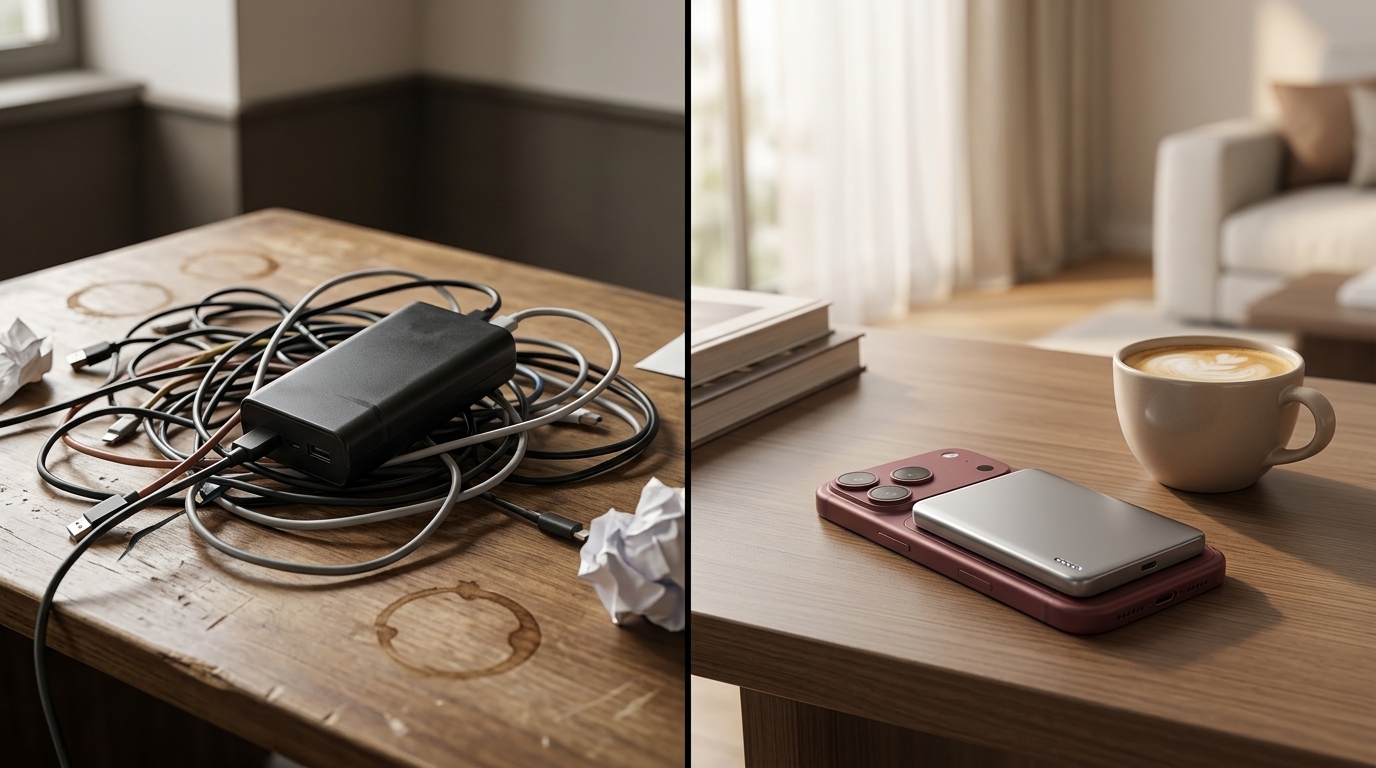
A new pattern has emerged among people who rely on multiple Apple devices daily: they don’t trust wall outlets anymore, even when staying local.
Something changed in how people who use iPhones and iPads think about leaving the house. It used to be simple: check your battery percentage, maybe bring a cable. Now there’s a different calculation happening. People started carrying portable chargers not just for emergencies, but as standard equipment. Even for a work day across town.
The behavior makes sense when you map it against how iOS devices actually get used throughout a day. Your iPhone handles navigation, messages, two-factor authentication, Apple Pay, boarding passes, and probably a dozen app-based tasks that didn’t exist five years ago. Your iPad might be running a client presentation or serving as your secondary screen. Running low isn’t just inconvenient—it creates genuine friction in how you move through the world.
What amplified this was the realization that public charging infrastructure hasn’t kept pace with device dependency. Airport gates have one or two outlets for fifty people. Coffee shops wire their outlets in inconvenient corners. Hotel rooms still put their USB ports in lamps you can’t reach from the bed. The ecosystem expanded, but the physical world didn’t adapt.
So people stopped relying on finding a wall outlet. They started treating portable power the same way they treat their phone itself—something that just comes along. The interesting part is how this shifts the mental model of what counts as “prepared.” It’s not paranoia about battery life. It’s refusing to be constrained by infrastructure that wasn’t designed for constant device use.
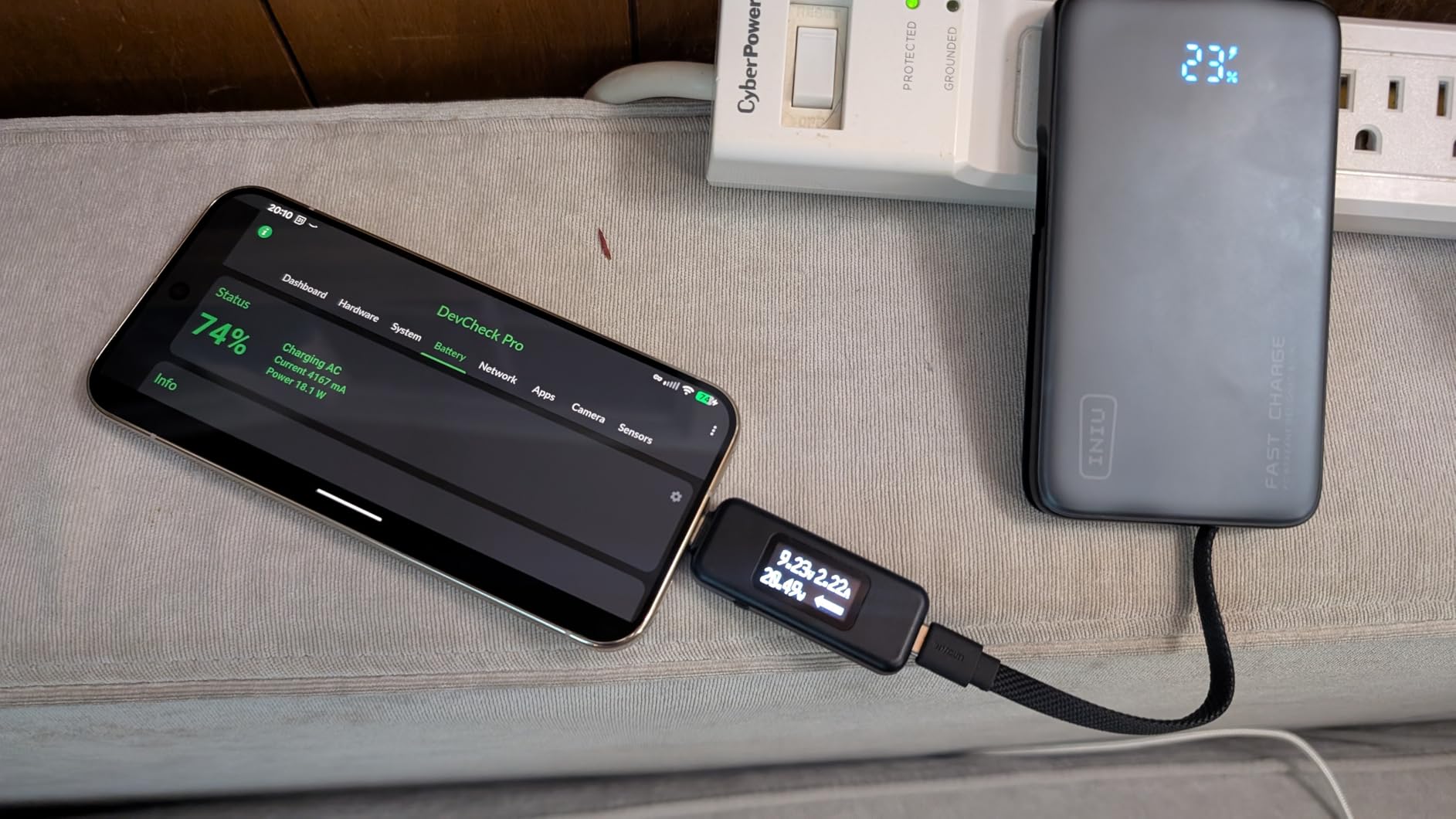
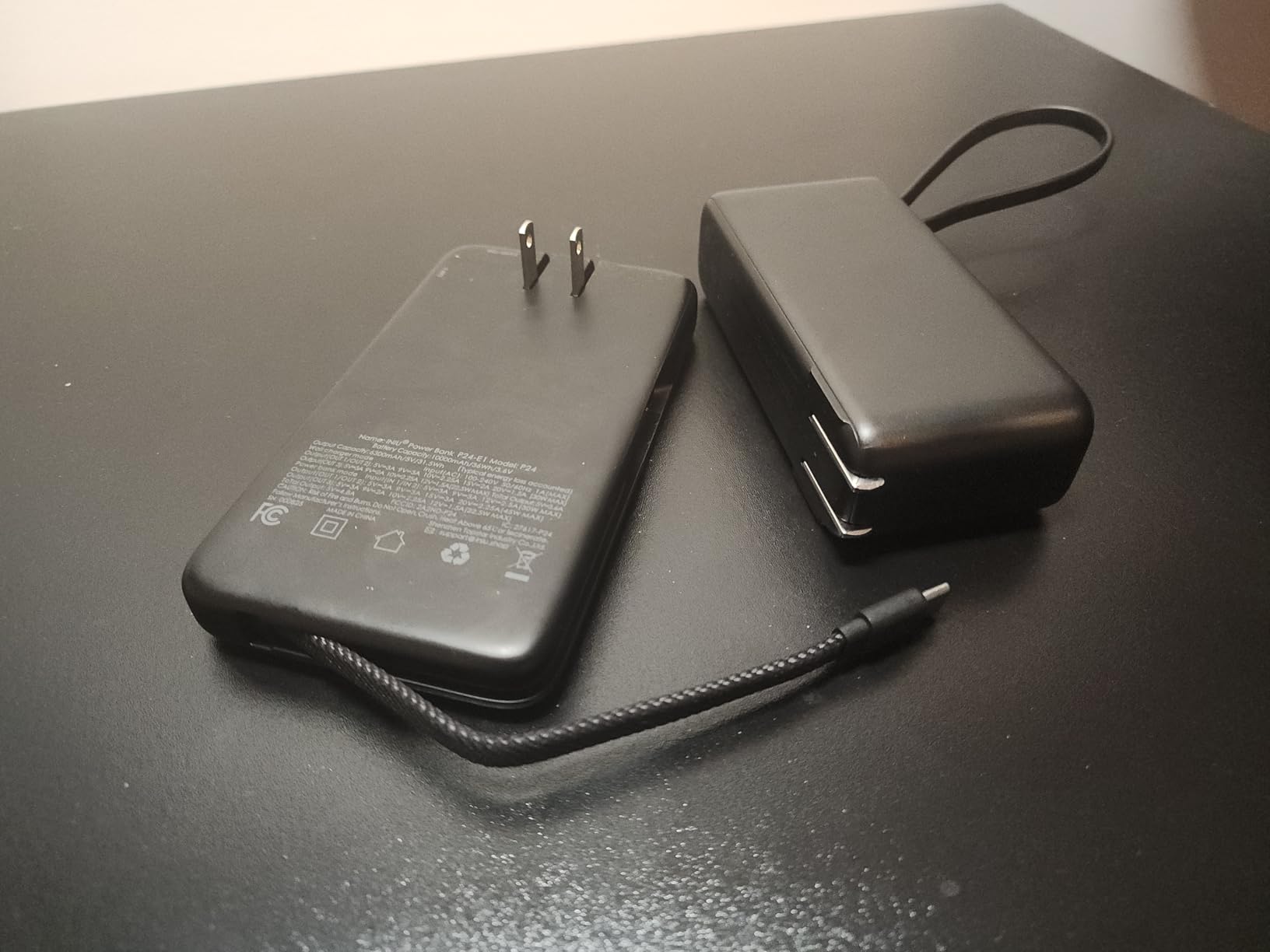
This also created a secondary behavior change around which accessories matter. The portable chargers that caught on weren’t the massive ones marketed to camping enthusiasts. They were the ones that could charge an iPhone twice, fit in a jacket pocket, and didn’t add noticeable weight to a bag. Just enough capacity to eliminate outlet anxiety without becoming burdensome.
There’s also a subtle class dimension to this habit. People who can afford to carry an extra device specifically for charging have effectively opted out of the outlet scarcity problem. They’re no longer competing for the one available plug at the gate or asking a server if they can move tables to sit near power. They’ve purchased independence from that negotiation.
The Apple ecosystem creates these kinds of dependencies that then require new solutions. More devices mean more charging. More charging means more vulnerability to infrastructure gaps. The solution isn’t using devices less—it’s carrying the infrastructure with you.
Previously listed at $59.99, current listings with integrated cables and wall plugs appear around $35.99.
"Note: Readers like you help support The Apple Tech. We may receive a affiliate commission when you purchase products mentioned on our website."