
Wireless keyboards purchased for long-obsolete Macs continue functioning across device generations, quietly becoming the most durable pieces of Apple’s hardware lineup.
Some Apple accessories transcend their intended lifespan in ways that feel almost accidental. Keyboards purchased a decade ago still pair effortlessly with devices that didn’t exist when the keyboard shipped. The longevity is startling not because Apple hardware is unreliable, but because so little of it escapes the upgrade cycle. Batteries that hold charge after thousands of cycles. Bluetooth connections that never require re-pairing. Keys that don’t develop the mushiness that plagues laptop keyboards after eighteen months of use.
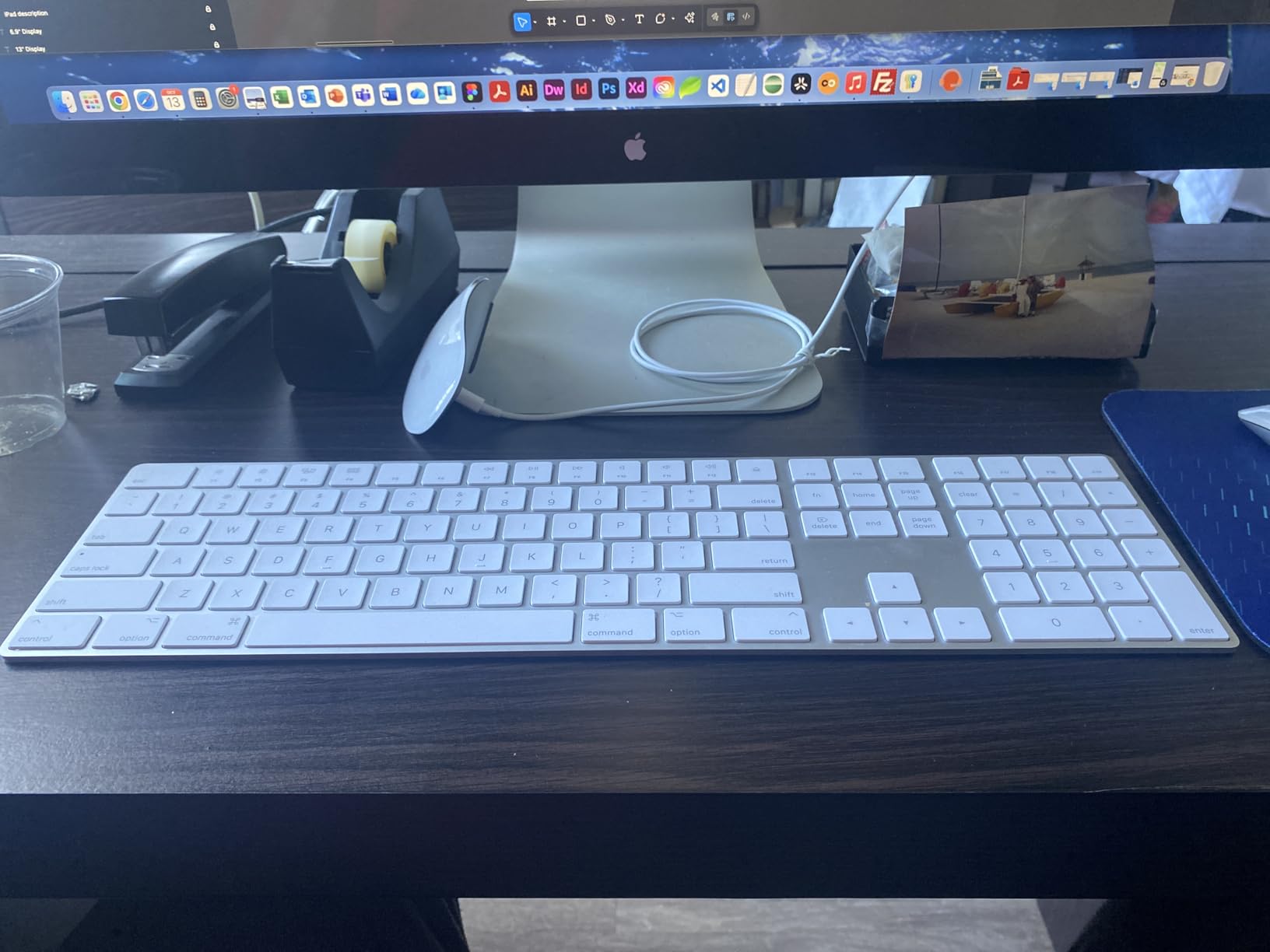
The numeric keypad signals a specific kind of user: someone doing spreadsheets, accounting, data entry, or any task where right-hand number input becomes muscle memory. For years, Apple didn’t offer this configuration, forcing users toward third-party options or the full-size wired version. The wireless variant with extended layout emerged as acknowledgment that iPad workflows sometimes demand desktop-class input, even if Apple’s marketing rarely admits it.
Rechargeability solved the battery anxiety that plagued earlier wireless peripherals, but it introduced a different ritual: the monthly cable hunt. Users report forgetting to charge keyboards for weeks because the battery life stretches so long, then scrambling when the low battery warning finally appears. The improvement over disposable batteries is undeniable; the new inconvenience is just different, not absent.
Cross-device compatibility has aged remarkably well. A keyboard purchased for a 2015 MacBook Air connects instantly to a 2024 iPhone, a 2022 iPad Pro, a 2019 Mac Mini. This kind of backward and forward compatibility is rare in Apple’s ecosystem, where software updates routinely obsolete hardware that’s physically intact. The keyboard becomes the constant while everything else in the setup cycles through planned obsolescence.
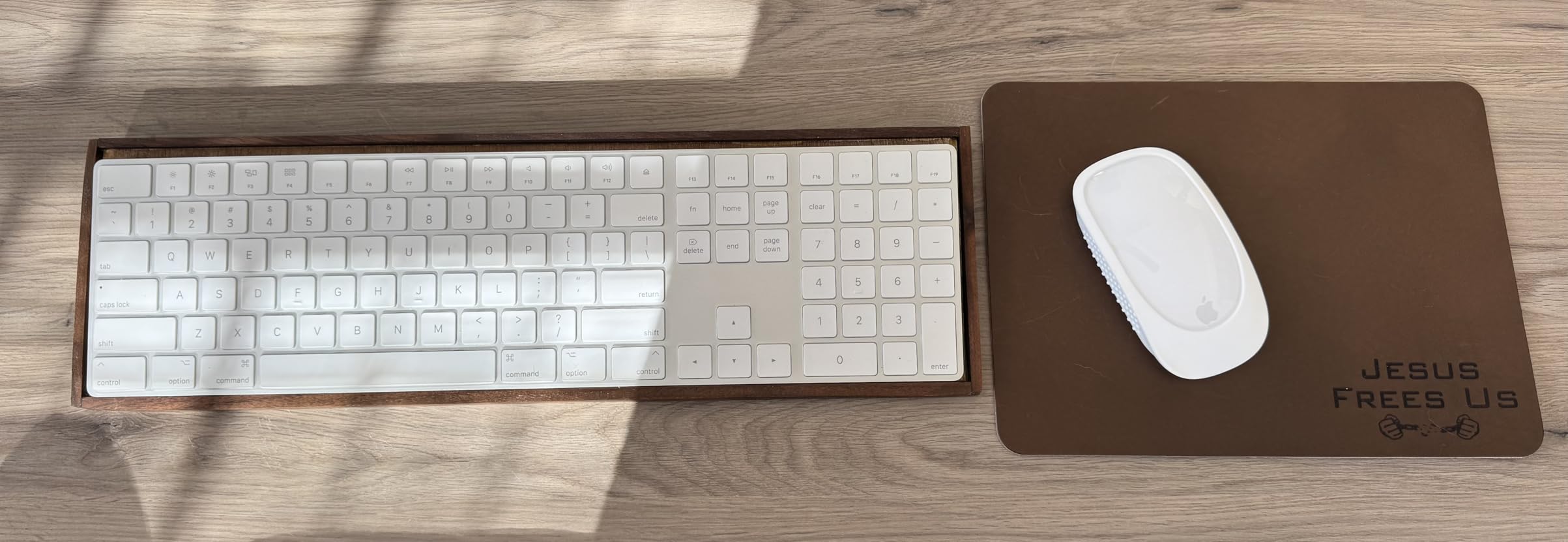
Desktop ergonomics have shifted as more people work from home, transforming what was once an office-only accessory into daily infrastructure. The same keyboard that felt excessive for occasional spreadsheet work now anchors eight-hour workdays split between Mac and iPad. iPad workflows, in particular, have benefited from external keyboard adoption—typing long documents on glass never stopped being miserable, regardless of how good the software autocorrect became.
The white finish has become quietly divisive. It photographs beautifully in minimalist workspace aesthetics, but it also shows dirt, palm grease, and the accumulated grime of daily use. Users either maintain careful cleaning rituals or surrender to gradual discoloration. There’s no middle ground. Space gray versions exist, but they’re harder to find and often priced higher, suggesting Apple still views white as the default choice despite its practical limitations.
Pricing on Apple’s own peripherals has remained stubbornly premium, even as third-party alternatives proliferate at fraction of the cost. Previously listed at $129, current listings sits around $79—still expensive by keyboard standards, but positioned as the durable option for users already invested in the ecosystem. The math changes when you expect a keyboard to outlast three laptop generations. Suddenly, paying more upfront feels rational rather than indulgent.
"Note: Readers like you help support The Apple Tech. We may receive a affiliate commission when you purchase products mentioned on our website."