The ritual of charging has collapsed into a single object. No more hunting for the right cable, but also no escape from a new kind of tether.
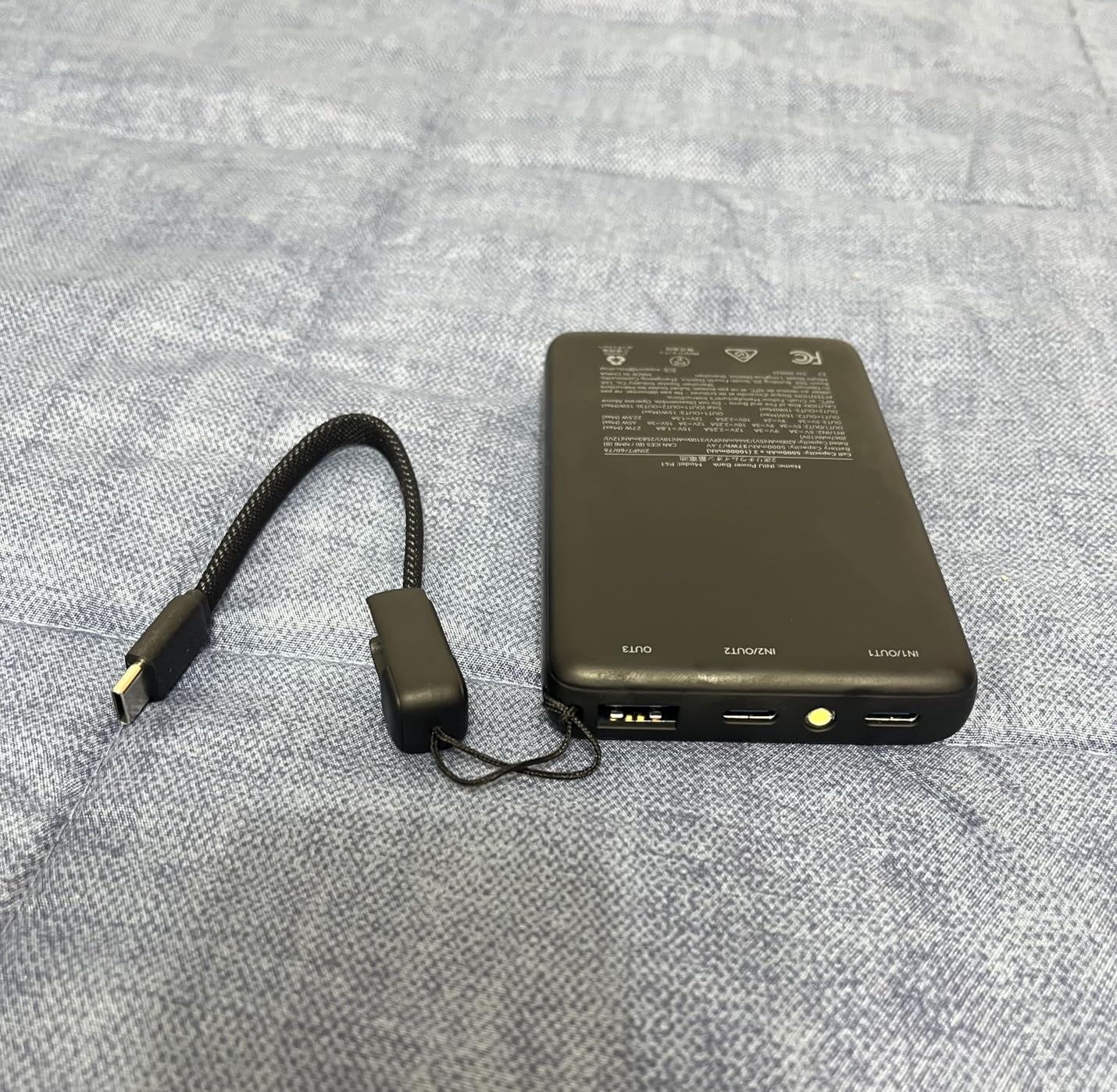
Portable chargers used to live at the bottom of bags, tangled with loose cables and forgotten until a battery warning appeared. Now they’re clipped to keychains, slipped into pockets, carried like wallets. The difference isn’t capacity—it’s integration. The cable is no longer separate. It’s permanently attached, coiled into the body of the charger itself, and that small design change has quietly reordered how people manage power.
For iPhone users, this matters more than it might seem. iOS has trained people to expect a certain rhythm: low battery, plug in, wait. But when the cable is always present, always ready, that rhythm changes. There’s less tolerance for waiting. The expectation shifts from “I’ll charge it later” to “I can charge it now,” and that shift breeds a different kind of impatience. Battery life hasn’t improved—behavior around battery life has just accelerated.
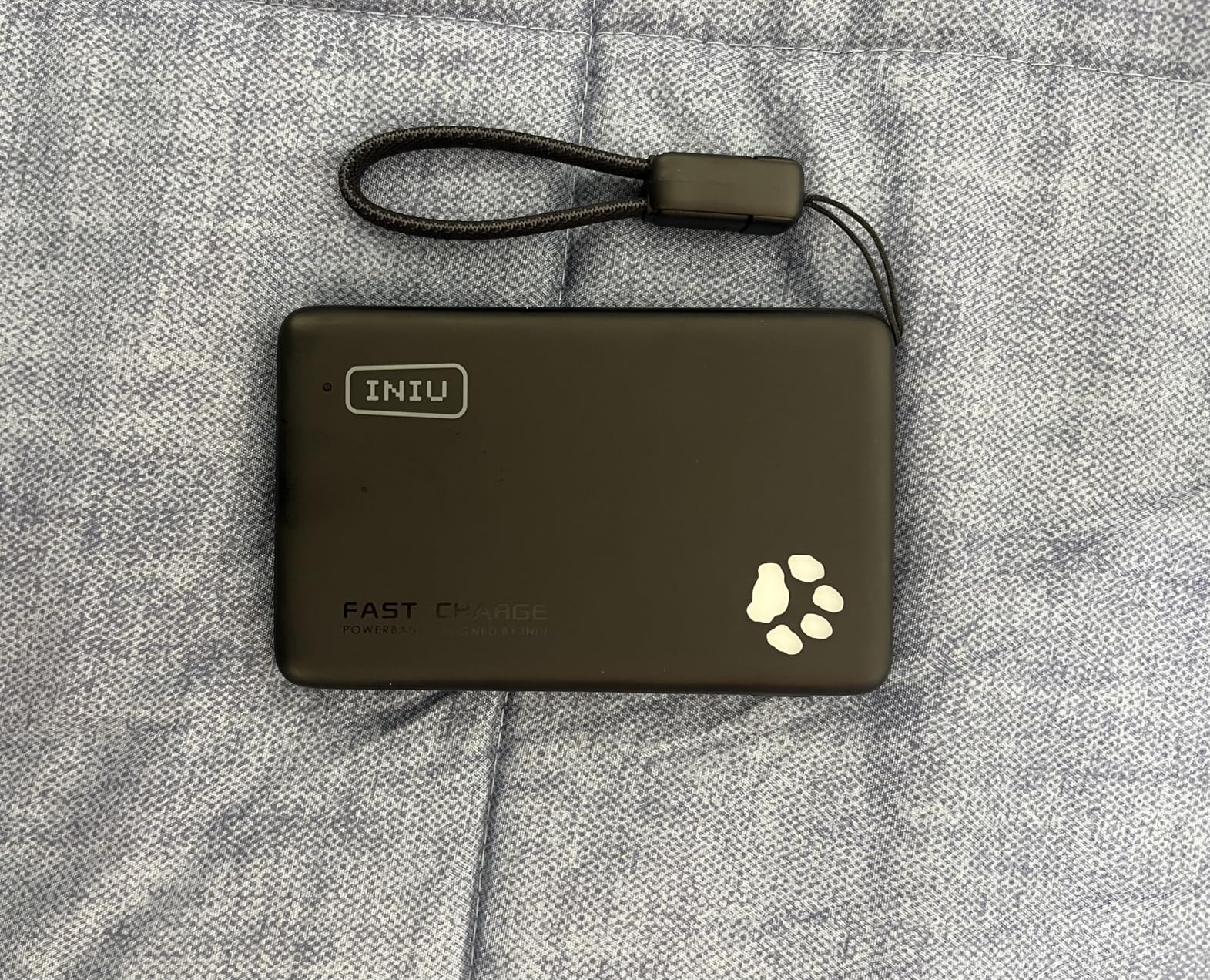
The attached cable also changes what gets prioritized. People used to carry a cable and a battery pack separately, which meant two decisions: do I need power, and do I need the right cable. Now it’s one object, one decision, and the decision is almost always yes. The result is that portable chargers have moved from occasional backup to constant companion. They’re not emergency tools anymore—they’re daily infrastructure.
But there’s a trade-off. When the cable is built in, it’s also a single point of failure. If it frays, if the connector loosens, if the coating splits—the entire device becomes less useful, not just the cable. And because it’s always attached, it’s always flexing, always under tension. The convenience of never losing a cable is offset by the certainty that the cable will eventually wear out faster than the battery inside.
SIMILAR
Apple Home users are managing smart outlets through competing voice assistants as HomeKit compatibility remains inconsistent
Why some Apple ecosystem users are quietly adding Windows machines to home offices
iPhone users are redesigning car charging setups as multiple devices compete for limited power during commutes
This has created a new category of friction inside the Apple ecosystem. USB-C is now the standard for iPhone charging, but not all attached cables are created equal. Some support fast charging, some don’t. Some are long enough to use while charging, some force you to hold the phone awkwardly close to the battery pack. The simplicity of having one cable is undermined by the complexity of which cable it is.
There’s also the question of what this does to charging habits in shared spaces. When everyone has their own cable attached to their own battery pack, there’s less borrowing, less communal problem-solving. The old social script—”does anyone have a lightning cable?”—has been replaced by individual preparedness. It’s more efficient, but also more isolating.
The design assumption here is that portability means compression: fewer parts, fewer decisions, fewer things to lose. But compression also means fewer options when something goes wrong. Previously listed at $24, current listings hover around $18.67.
"Note: Readers like you help support The Apple Tech. We may receive a affiliate commission when you purchase products mentioned on our website."