
Commuters on trains and buses used to keep volume low, aware that sound could leak from headphones. That social norm weakened as noise cancellation became standard. The assumption that everyone nearby can hear what you’re listening to has quietly disappeared.
iPhone users now behave as if they’re alone even when surrounded by others. They take calls in crowded cafes without lowering their voices. They watch videos on full brightness in waiting rooms. The technology didn’t just block external noise—it created a psychological buffer that made public spaces feel private.
This shift happened gradually. Early adopters of noise cancellation used it selectively, toggling it on for flights or noisy environments. Now it stays on by default. The feature that was once situational became the baseline expectation for how audio should sound throughout the day.
The effect extends beyond personal comfort. People miss announcements at airports. They don’t hear their names called at coffee counters. They walk through intersections without registering approaching vehicles. The auditory awareness that kept people connected to their surroundings diminished as isolation became the preferred mode.
iOS handles this tension through transparency modes, but adoption remains inconsistent. Users enable noise cancellation and forget it’s active. The friction of switching modes feels greater than the friction of occasionally missing information. The path of least resistance became permanent disconnection from ambient sound.
SIMILAR
Why iPhone users are carrying standalone noise machines instead of relying on sleep apps
Apple Watch charging became a bedside ritual, here's why the placement matters more than expected
iPhone users are quietly giving up the cable and most dont realize why it happened so gradually over time
Social dynamics shifted in parallel. Conversations happen less frequently between strangers because the visual cue of wearing earbuds now signals unavailability rather than just listening to music. The assumption changed from “they might be able to hear me” to “they’ve chosen not to.”
Call quality improvements reinforced these patterns. Microphones filter background noise so effectively that the person on the other end can’t tell where the caller is located. This removed the social pressure to find a quiet spot before answering. A call in a busy street sounds identical to a call at home, so the distinction stopped mattering.
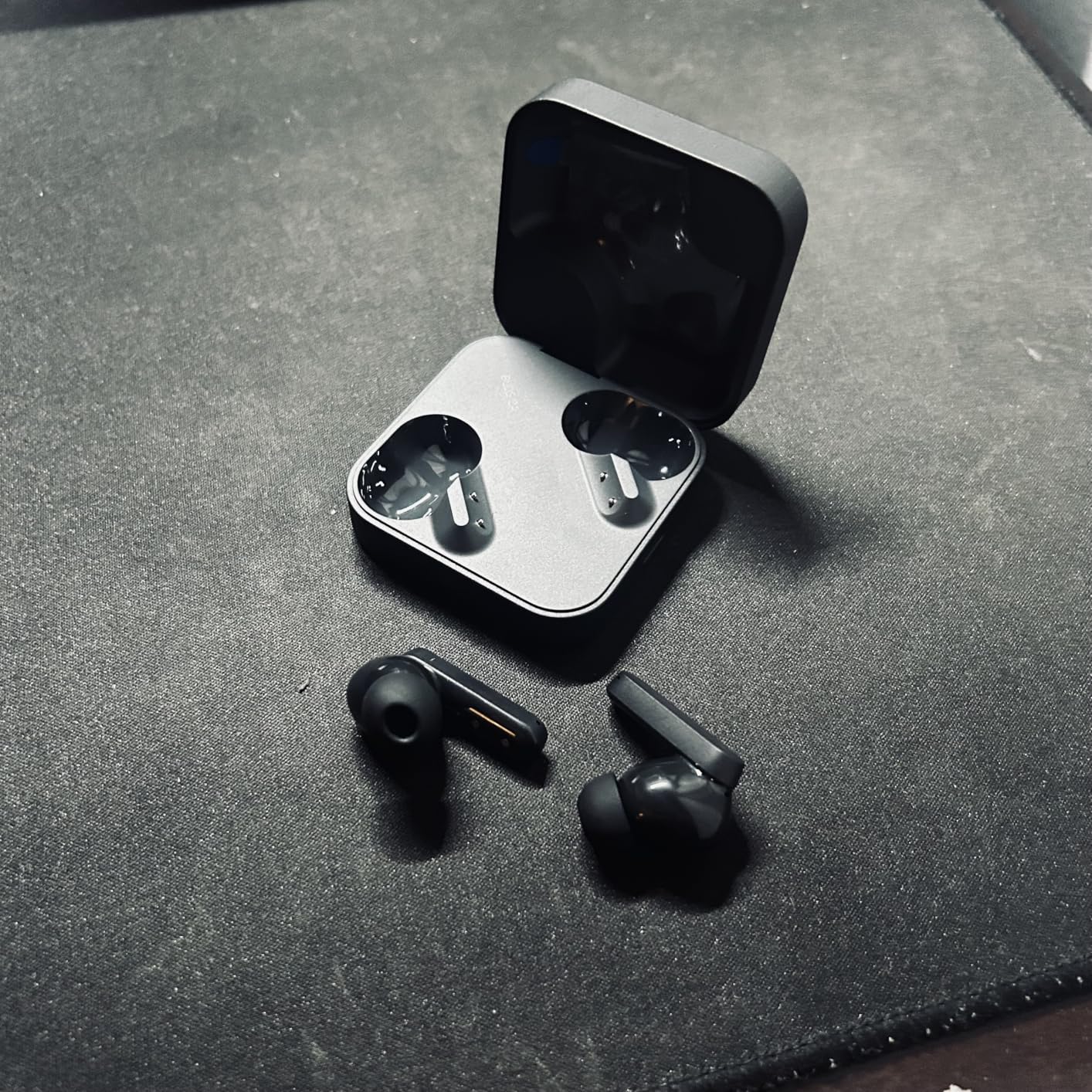
Previously listed around $29, current listings for wireless earbuds with active noise cancellation now appear at similar entry points, reflecting how standard this functionality has become across iPhone accessory markets.
"Note: Readers like you help support The Apple Tech. We may receive a affiliate commission when you purchase products mentioned on our website."