Working in public used to mean accepting that passersby might glance at your screen. That tolerance eroded as remote work blurred personal and professional boundaries. The screen became something to hide rather than just something to work on.
MacBook users began positioning themselves against walls, angling displays away from foot traffic, or choosing seats that minimized sightlines. These adjustments became automatic, performed without conscious thought. The assumption that someone might be looking over your shoulder shifted from occasional paranoia to constant background awareness.
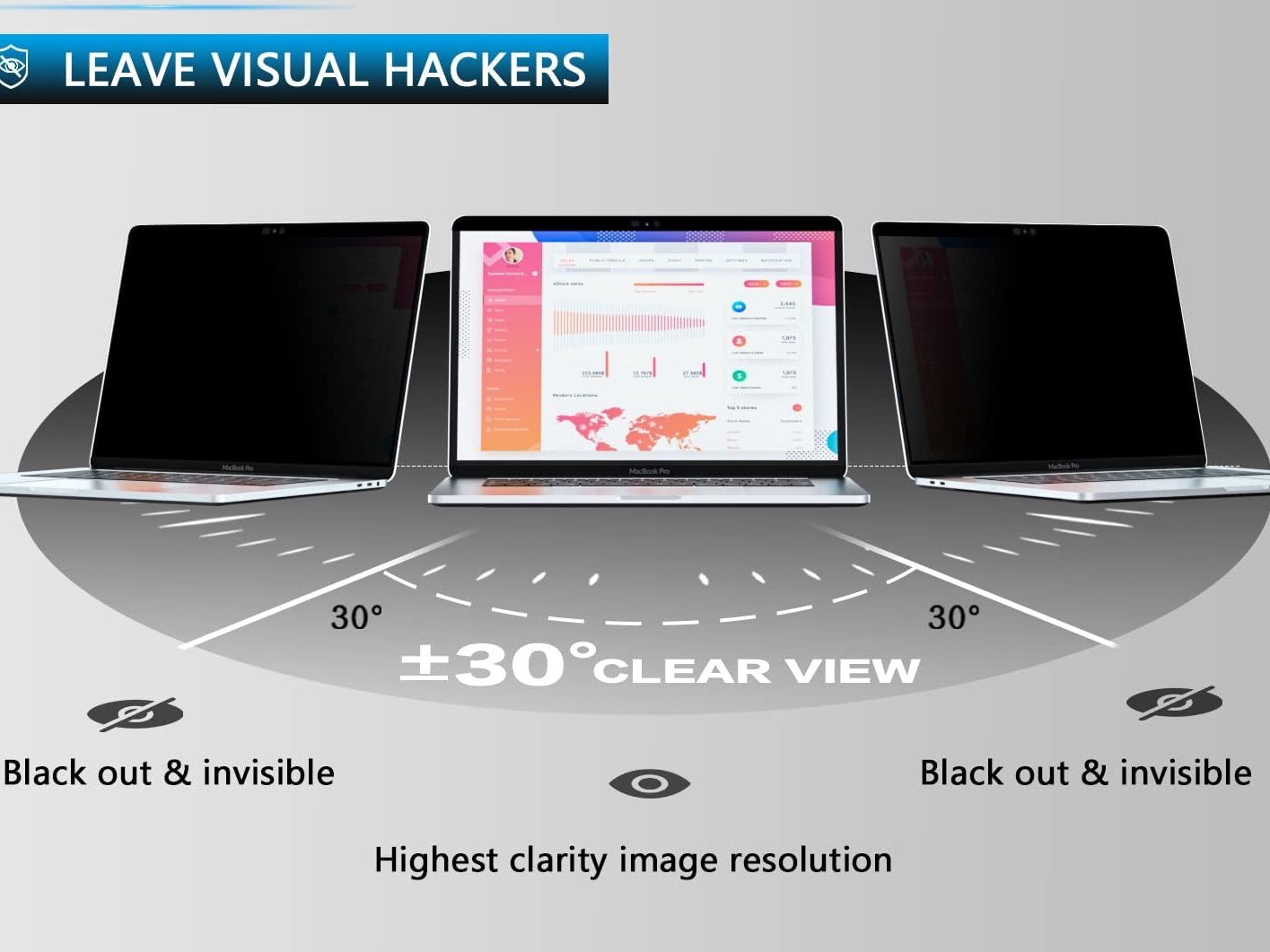
Privacy filters emerged as a solution, but early versions introduced trade-offs. They darkened screens, requiring increased brightness that drained battery faster. They added weight and thickness to devices designed for portability. They created glare under certain lighting conditions. The friction of using them sometimes felt greater than the anxiety they were meant to relieve.
Magnetic attachment addressed some of these concerns by making privacy conditional rather than permanent. Users could remove filters when working alone and reattach them in shared spaces. This flexibility matched the reality of hybrid work—some hours require privacy, others don’t.
The behavior change wasn’t driven by sensitive work alone. People felt exposed even when working on mundane tasks. Emails, messaging apps, and browser tabs all contain information that feels private in aggregate even if individual elements aren’t confidential. The fear isn’t about trade secrets—it’s about judgment and unsolicited opinions from strangers who glimpse fragments of context they don’t understand.
SIMILAR
Why iPhone users are carrying standalone noise machines instead of relying on sleep apps
Apple Watch charging became a bedside ritual, here's why the placement matters more than expected
iPhone users are quietly giving up the cable and most dont realize why it happened so gradually over time
macOS privacy features like automatically dimming or locking screens help, but they don’t address the human element. Software can’t prevent someone from reading text before a screen times out. Physical barriers remain the only reliable method of controlling what others see in real time.
The magnetic approach also reflects how people actually use privacy—inconsistently and situationally. A filter that requires installation and removal stays on permanently or gets abandoned. A filter that attaches and detaches in seconds adapts to the way people move between private and public work environments throughout a single day.
Previously listed around $30, current listings for magnetic privacy screens designed specifically for MacBook Air models now appear at similar price points, indicating consistent demand for adaptable privacy solutions in portable work setups.
"Note: Readers like you help support The Apple Tech. We may receive a affiliate commission when you purchase products mentioned on our website."