

Noise cancellation wasn’t marketed as essential. It was positioned as situational relief—airplane cabins, commuter trains, open offices. But adoption patterns tell a different story. iPhone users now wear noise-canceling headphones in contexts where ambient sound isn’t particularly loud, just persistently present. The technology has migrated from solving acute problems to managing chronic low-level irritation.
This creates a feedback loop. Once users experience reduced ambient noise regularly, returning to normal environmental sound feels intrusive. The coffee shop that seemed fine a year ago now registers as distractingly loud. The office that was merely busy now feels chaotic. The baseline has shifted, not because the environment changed, but because the user’s tolerance did.
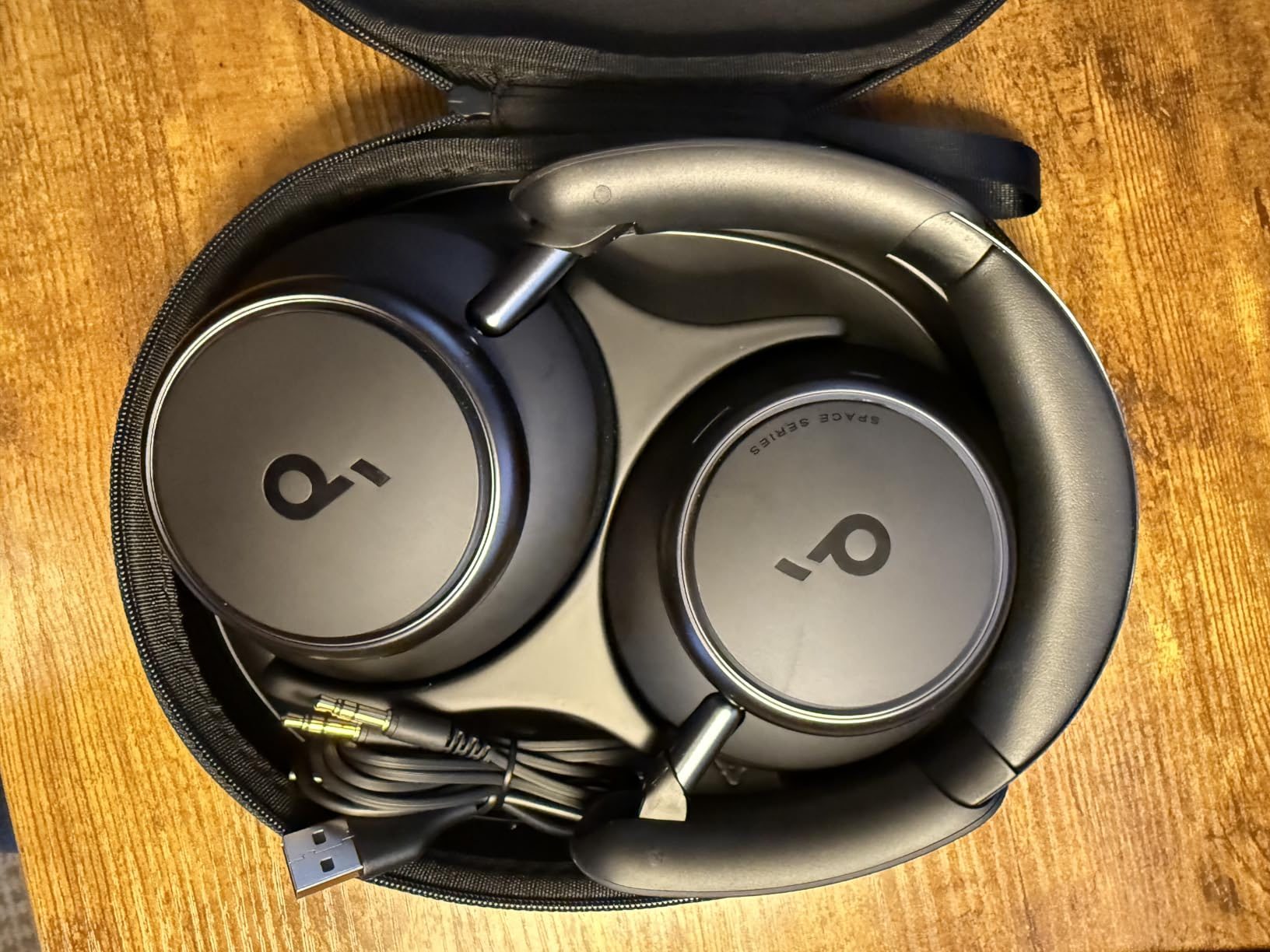
The effect is particularly noticeable among people who work from home part-time. On remote days, they control their audio environment completely—music, podcasts, or silence, all at chosen volumes. On office days, they face ambient conversations, HVAC hum, and keyboard clatter. Noise cancellation bridges that gap, but imperfectly. The headphones can’t eliminate nearby voices without distortion, creating a muffled middle ground that isn’t quite comfortable but feels necessary.
Apple’s ecosystem makes this behavior easier to sustain. Headphones paired to an iPhone automatically pause when removed, resume when replaced, and switch between devices without manual input. The friction isn’t in the technology—it’s in the habit formation. Users begin wearing headphones not because they’re listening to something, but because silence has become preferable to ambient noise.
SIMILAR
Why iPhone users are carrying standalone noise machines instead of relying on sleep apps
Apple Watch charging became a bedside ritual, here's why the placement matters more than expected
iPhone users are quietly giving up the cable and most dont realize why it happened so gradually over time
This introduces subtle social friction. Wearing headphones signals unavailability, even when nothing is playing. Colleagues hesitate to interrupt. Conversations require the small ritual of removal and re-placement. The user isn’t necessarily antisocial, but the behavior creates distance that wasn’t there before. The headphones become a buffer, not just against sound but against interaction itself.
The market has responded with longer battery life and more refined noise cancellation algorithms, making all-day wear technically feasible. Users who once charged devices nightly now go days between charges, reducing the natural break points that might interrupt the habit. The technology has eliminated its own friction, leaving only the behavioral question: is constant noise reduction solving a problem or creating dependence on a solution?
Pricing has compressed too, bringing advanced noise cancellation within reach of users who previously considered it a luxury feature. Previously listed around $150, current pricing for capable over-ear models sits near $100, positioning the technology as standard rather than premium—a shift that reinforces its migration from occasional tool to daily necessity.
"Note: Readers like you help support The Apple Tech. We may receive a affiliate commission when you purchase products mentioned on our website."