

iPhones used to last a full day on a single charge. That expectation eroded as screen time increased, apps became more demanding, and 5G connectivity drained power faster than previous network standards. The phone that once made it from morning to night now requires midday intervention.
The shift happened gradually enough that people adapted without realizing how much their behavior changed. Carrying a portable battery became as automatic as carrying the phone itself. The device that promised to go everywhere started requiring a secondary device just to maintain that promise.
Built-in cables addressed a specific friction point—remembering to pack the right charging cable. People who carried portable batteries often forgot cables, rendering the backup power useless. Integrated cables removed that failure mode but introduced new constraints around cable length and connector type.
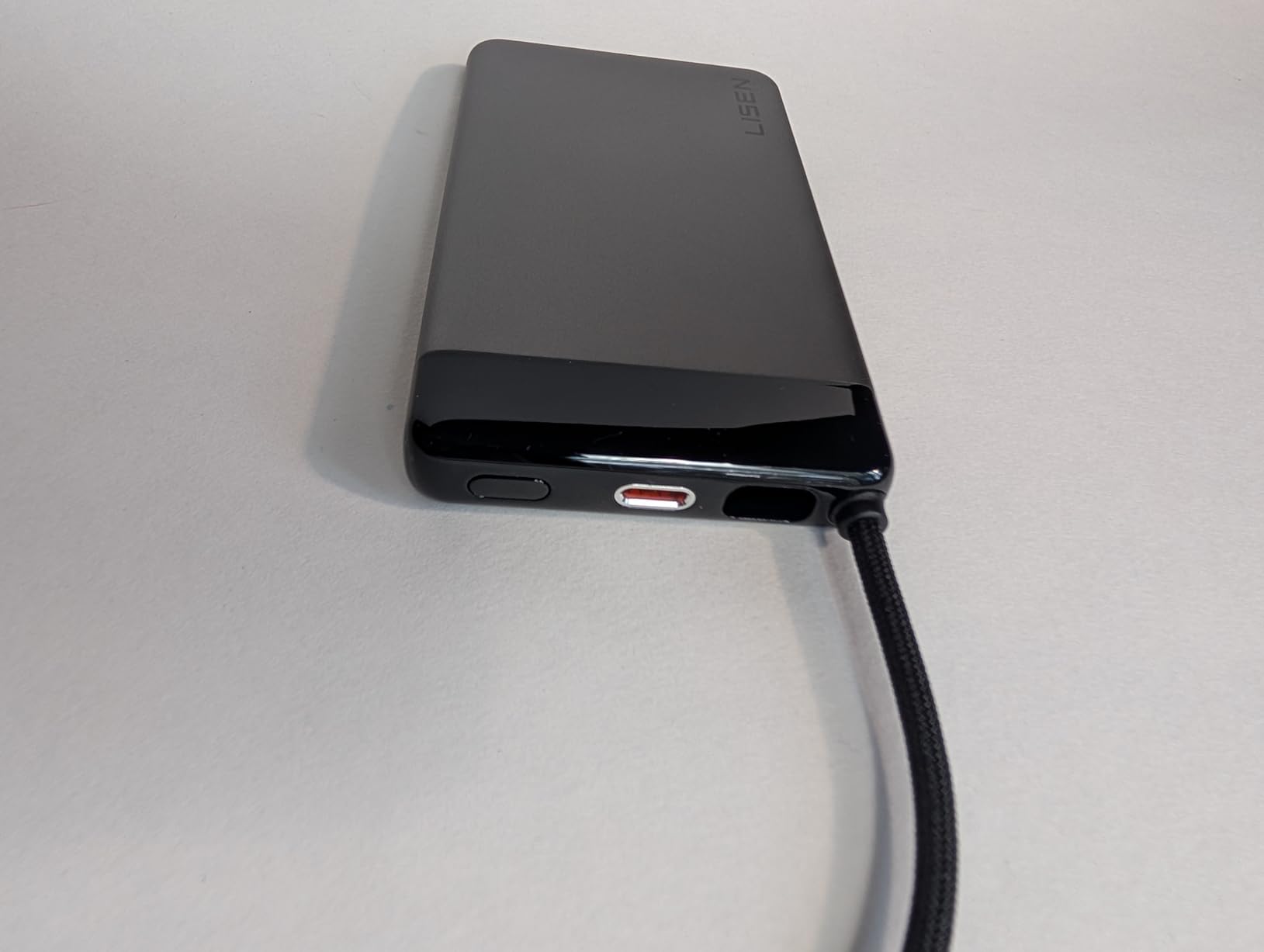
Aluminum construction reflects durability concerns that plastic cases couldn’t address. Portable batteries live in bags alongside keys, coins, and other objects that cause scratches and dents. The material choice isn’t about aesthetics—it’s about surviving the chaotic environments where these devices actually get used.
The capacity rating determines how many charge cycles a battery provides, but it also determines weight and bulk. Ten thousand milliamp hours offers multiple full charges for an iPhone, but it adds noticeable weight to bags and pockets. The trade-off between capacity and portability never fully resolves—it just shifts based on individual tolerance for carrying extra mass.
Fast charging capability matters because the circumstances requiring portable batteries rarely allow for leisurely multi-hour charging sessions. People need power quickly between meetings, during commutes, or in brief windows when they’re stationary. Slow charging extends the duration that the phone remains tethered to the battery, limiting usability during the charging process itself.
SIMILAR
Why iPhone users are carrying standalone noise machines instead of relying on sleep apps
Apple Watch charging became a bedside ritual, here's why the placement matters more than expected
iPhone users are quietly giving up the cable and most dont realize why it happened so gradually over time
iOS battery health features track degradation over time, but they don’t prevent it. Phones age. Batteries lose capacity. The portable battery that was initially a backup for heavy-use days eventually becomes necessary for normal days. The accessory transitions from optional to essential as the primary device ages.
USB-C adoption unified charging standards across many devices, but it also created a transitional period where people owned both Lightning and USB-C devices. A portable battery with a USB-C cable works for newer iPhones but not older ones still in family use. The ecosystem standardization helps, but only for those who’ve completed the transition.
Previously listed around $40, current listings for slim aluminum portable batteries with built-in USB-C cables now appear closer to $26, reflecting how common battery backup has become for iPhone users managing unpredictable power access throughout their days.
"Note: Readers like you help support The Apple Tech. We may receive a affiliate commission when you purchase products mentioned on our website."