Apple designs iPhones as thin, light objects meant to be held and admired. The precision chamfers, color-matched glass, and material transitions all serve aesthetic goals that protective cases immediately obscure. Yet most iPhones never exist in their intended form beyond the unboxing moment.
The phone that costs more than a month’s rent for some users travels through daily life with nothing between glass and concrete except hope. AppleCare+ reduces financial risk but doesn’t eliminate the friction of dealing with repairs, appointments, and temporary device loss. Protection became preemptive rather than reactive.
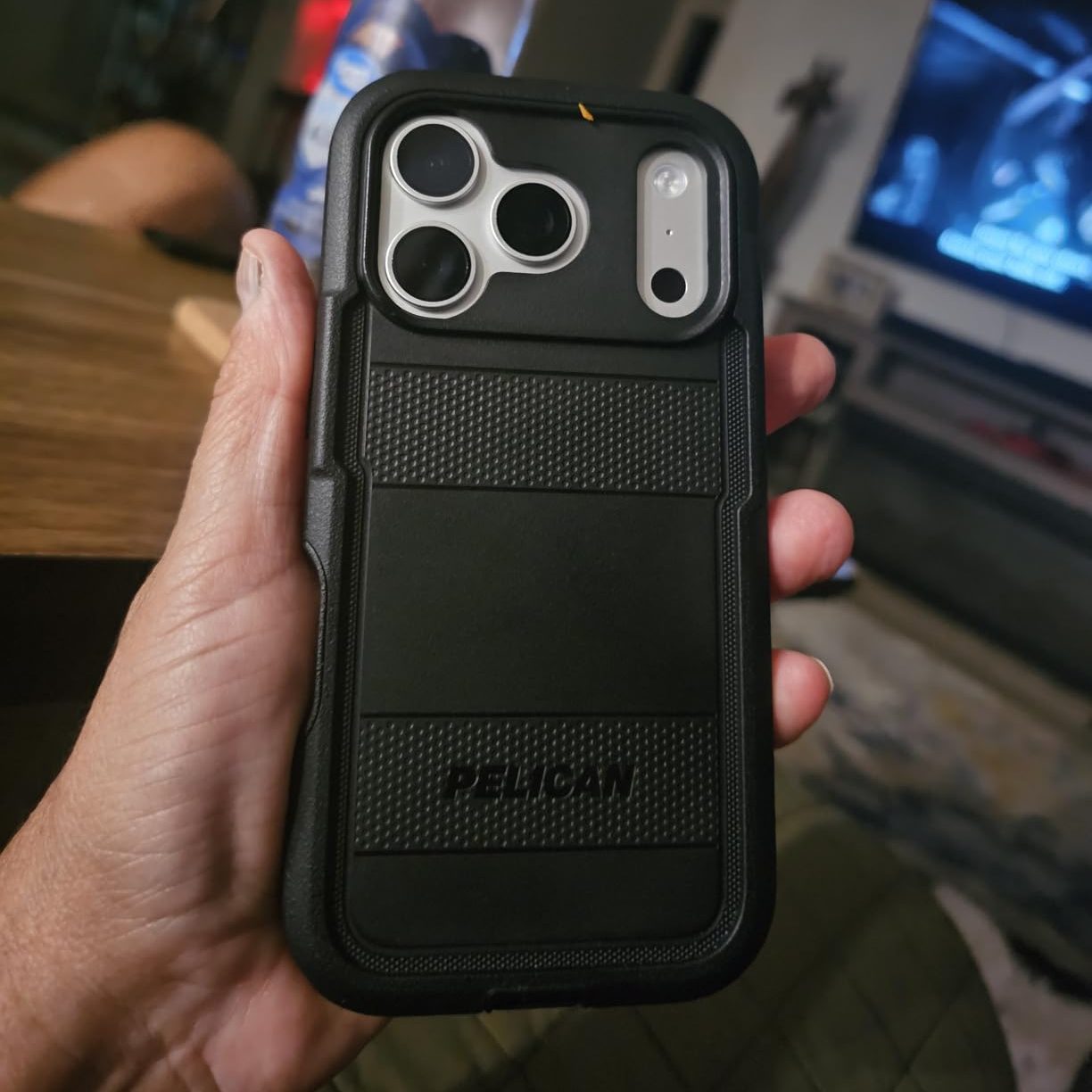
Military-grade drop ratings emerged as a marketing response to user anxiety, but they also revealed how inadequate standard protection felt. A case that survives drops from table height isn’t enough once people started imagining worst-case scenarios—drops from ladders during home projects, fumbles on concrete stairs, falls from car roofs after setting phones down while loading groceries.
MagSafe compatibility introduced new case design constraints. Earlier protective cases could be purely structural. MagSafe cases need precise magnet alignment and appropriate thickness to maintain wireless charging and accessory attachment. The protection layer can’t interfere with the magnetic connection, limiting material choices and case geometry.
SIMILAR
Why iPhone users are carrying standalone noise machines instead of relying on sleep apps
Apple Watch charging became a bedside ritual, here's why the placement matters more than expected
iPhone users are quietly giving up the cable and most dont realize why it happened so gradually over time
Belt clip holsters represent a specific use case that iOS design patterns don’t acknowledge. People in construction, warehousing, field service, and similar work environments can’t keep phones in pockets safely. They need immediate access while keeping devices secure during physical activity. The iPhone’s premium positioning doesn’t align with these work contexts, but the device still serves them.
The clear back panel reflects a compromise between protection and aesthetics. Users want to preserve some visual connection to the device they purchased—the color choice, the Apple logo, the camera array design. Full opacity offers better protection but erases the product identity people paid for. Transparency attempts to maintain both.
The tension extends to iOS features that assume unencumbered device access. Face ID works fine through protective glass but can fail when cases add thickness that changes the phone’s grip position. Touch sensitivity remains adequate but feels different through screen protectors. The intended user experience degrades slightly with each protective layer.
Durability concerns also reflect how people finance devices. Monthly payment plans spread iPhone costs across years, but they also mean people are paying for phones they no longer possess if damage forces early replacement. Protection becomes a hedge against financial loss as much as physical damage.
Previously listed around $65, current listings for military-rated protective cases with MagSafe compatibility and holster systems now appear at similar price points, indicating consistent demand for maximum protection despite the design compromises involved.
"Note: Readers like you help support The Apple Tech. We may receive a affiliate commission when you purchase products mentioned on our website."