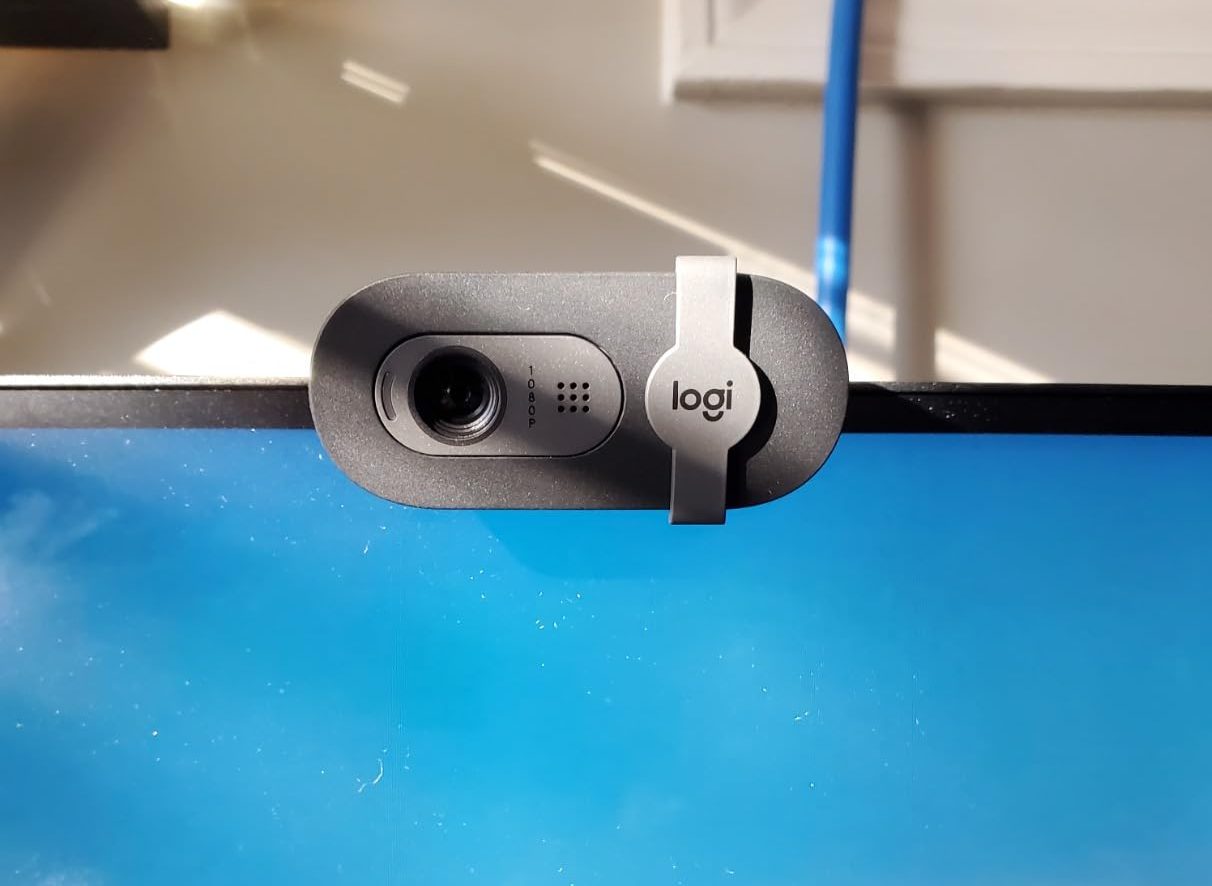
For years, the assumption held: whatever camera came built into a MacBook was sufficient. It was embedded, it worked, and most importantly, it required no additional thought. That assumption is fading. More users are now placing external webcams atop their MacBook displays, not as upgrades, but as behavioral corrections.
The shift reflects something deeper than video quality. It stems from the realization that the built-in camera’s fixed angle no longer aligns with how people actually use their machines. Lid angles, desk heights, and posture habits have changed. The camera hasn’t. What once felt neutral now feels compromising—forcing users to angle their screens awkwardly or accept unflattering perspectives during calls that have become routine, not occasional.
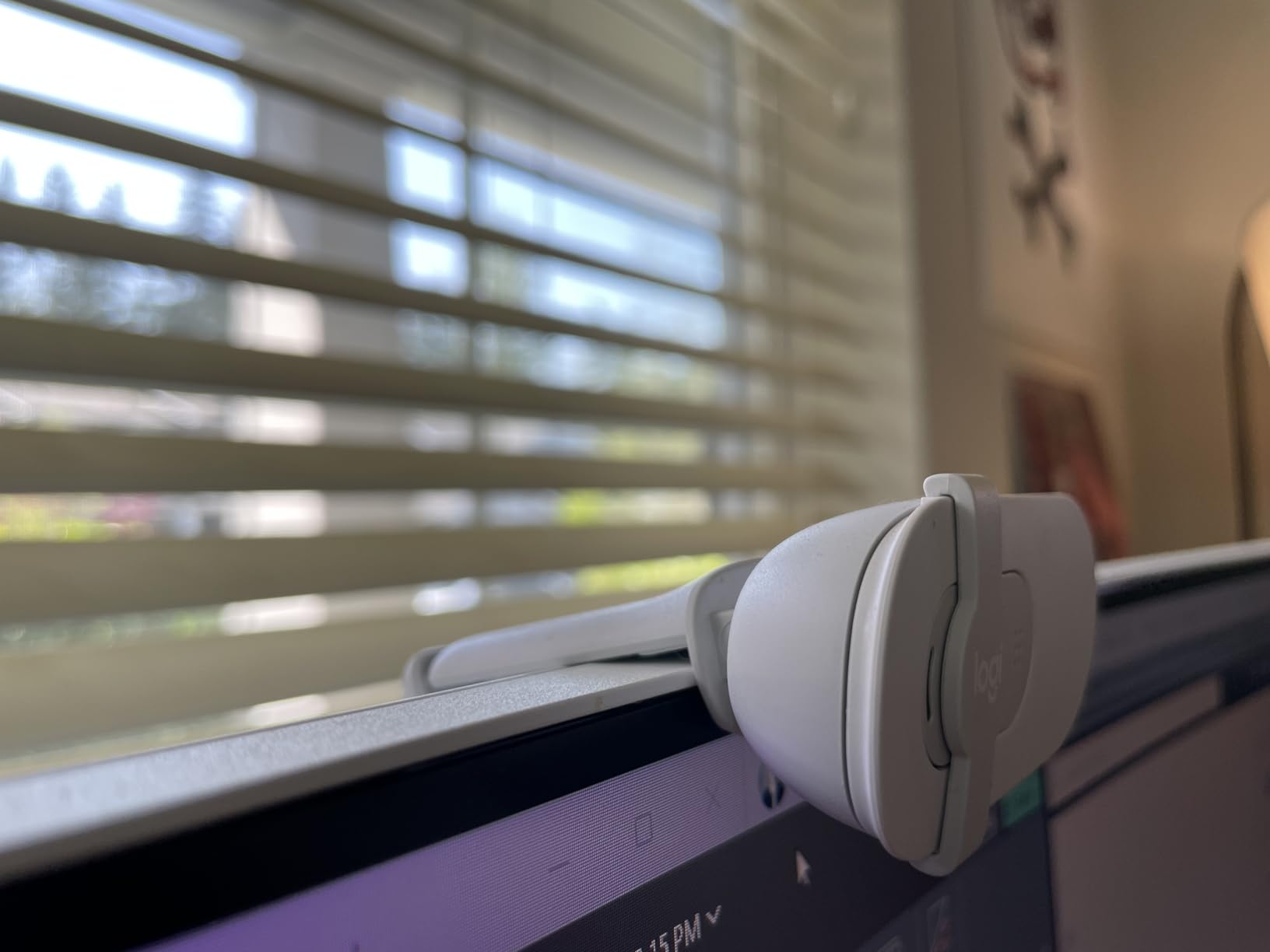
External webcams introduce a new layer of control. Users can adjust the angle independent of screen position, close a physical shutter when not in use, and reposition the device across different workspaces without reconfiguring their entire setup. These aren’t luxury features. They’re friction reducers in workflows now measured in daily video hours, not weekly check-ins.
This behavior also signals a quiet erosion of trust in permanence. The built-in camera was once a point of integration—a sign that Apple had considered everything. Now it feels like a constraint. People are opting for modularity, even at the cost of a cleaner aesthetic, because the MacBook’s hardware no longer adapts to the pace at which their work habits are evolving.
SIMILAR
Why iPhone users are carrying standalone noise machines instead of relying on sleep apps
Apple Watch charging became a bedside ritual, here's why the placement matters more than expected
iPhone users are quietly giving up the cable and most dont realize why it happened so gradually over time
The trend also exposes a tension between portability and stationarity. Many MacBook users no longer move their machines frequently. The laptop has become a semi-permanent fixture on desks, connected to external monitors, keyboards, and now cameras. The portability that justified built-in components is less relevant when the device rarely leaves the desk. The external webcam becomes a natural extension of this sedentary shift.
What’s notable is how quietly this change is occurring. There’s no campaign, no collective complaint. Users are simply adapting, one peripheral at a time, as the gap widens between how Apple designed the device and how people actually live with it daily. The webcam is just the most visible symptom.
Previously listed around $40, current listings for these units with privacy shutters and USB-A connectivity now appear closer to $25, reflecting both broader adoption and the normalization of external camera use across consumer and professional contexts.
"Note: Readers like you help support The Apple Tech. We may receive a affiliate commission when you purchase products mentioned on our website."