For years, the MacBook’s embrace of wireless connectivity was treated as progress—fewer cables, cleaner desks, and the freedom to work from anywhere in the home. But a behavioral reversal is underway. More MacBook users are now running Ethernet cables to their desks, not because wireless has failed, but because it no longer meets the stability demands of workflows that have become video-heavy and cloud-dependent.
The shift is most visible among users whose work involves sustained video calls or large file transfers. Wireless connections introduce latency variability that’s barely perceptible during casual browsing but becomes disruptive during real-time collaboration or continuous uploads. The difference isn’t dramatic—dropped frames, brief freezes, slight audio lag—but it’s persistent enough to create friction that accumulates across hours of daily use.
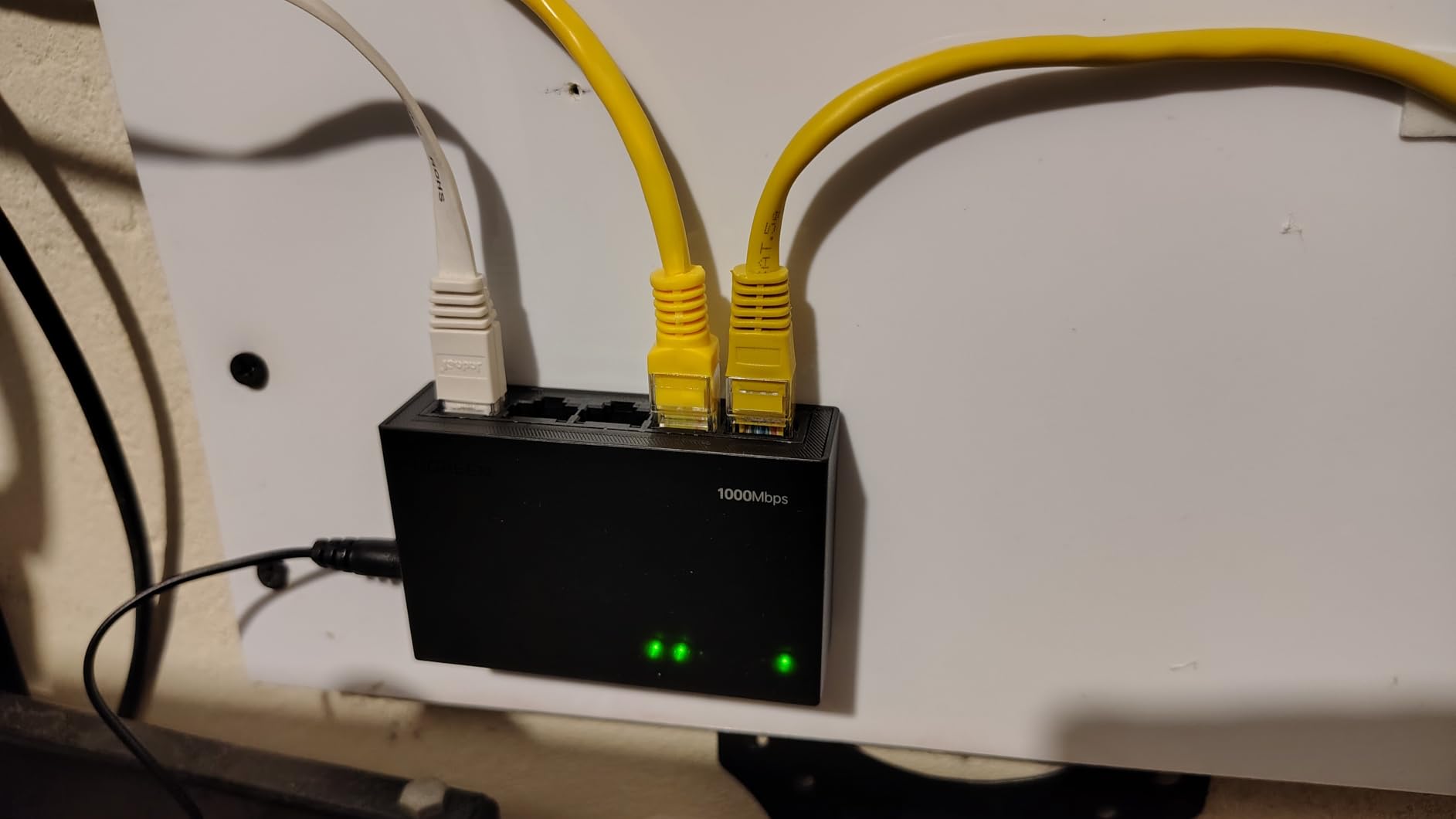
Ethernet switches have become the quiet enabler of this behavior. Most home routers offer limited Ethernet ports, and many MacBook users share their spaces with other devices competing for wired connections. The switch allows users to expand port availability without upgrading their router, creating a small network hub that connects the MacBook, external storage, and streaming devices to a single upstream port. It’s a modest addition, but it removes a bottleneck that wireless alone couldn’t solve.
What’s striking is how this contradicts Apple’s broader design philosophy. The MacBook has steadily reduced physical ports, pushing users toward wireless solutions and USB-C hubs. But the reintroduction of Ethernet suggests that wireless, despite its convenience, hasn’t achieved the reliability needed for workflows that depend on consistent throughput and minimal jitter. Users are opting for a wired connection not out of nostalgia, but out of necessity.
SIMILAR
Why iPhone users are carrying standalone noise machines instead of relying on sleep apps
Apple Watch charging became a bedside ritual, here's why the placement matters more than expected
iPhone users are quietly giving up the cable and most dont realize why it happened so gradually over time
The behavior also reflects a shift in how people perceive their home networks. Wireless was once sufficient because work was intermittent and bandwidth demands were modest. Now, with video calls stretching across hours and cloud storage replacing local files, the network itself has become a critical piece of infrastructure. The Ethernet switch is a small upgrade, but it signals a recognition that the home office is no longer a temporary adaptation—it’s a permanent workspace that demands the same stability as a corporate environment.
The adoption of these switches has also been frictionless. Most models require no configuration—users plug them in, connect devices, and the network expands automatically. This plug-and-play simplicity has lowered the barrier for users who might have once dismissed wired connections as too technical or cumbersome. The result is a quiet proliferation of Ethernet-connected MacBooks in homes where wireless was once the default and only option.
Previously listed near $13, current listings of these compact five-port switches now appear closer to $8, reflecting both competitive pricing and the widespread acknowledgment that wireless alone no longer scales to meet the demands of sustained remote work and cloud-first workflows.
"Note: Readers like you help support The Apple Tech. We may receive a affiliate commission when you purchase products mentioned on our website."