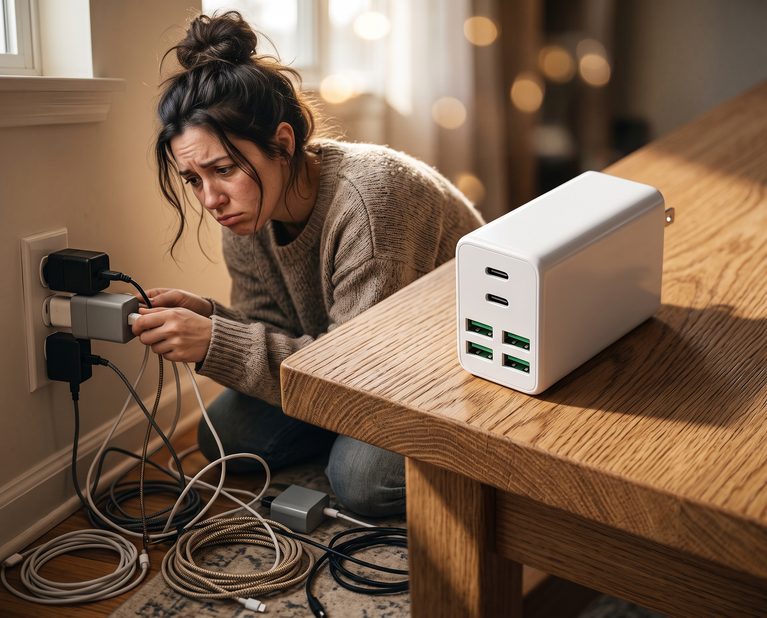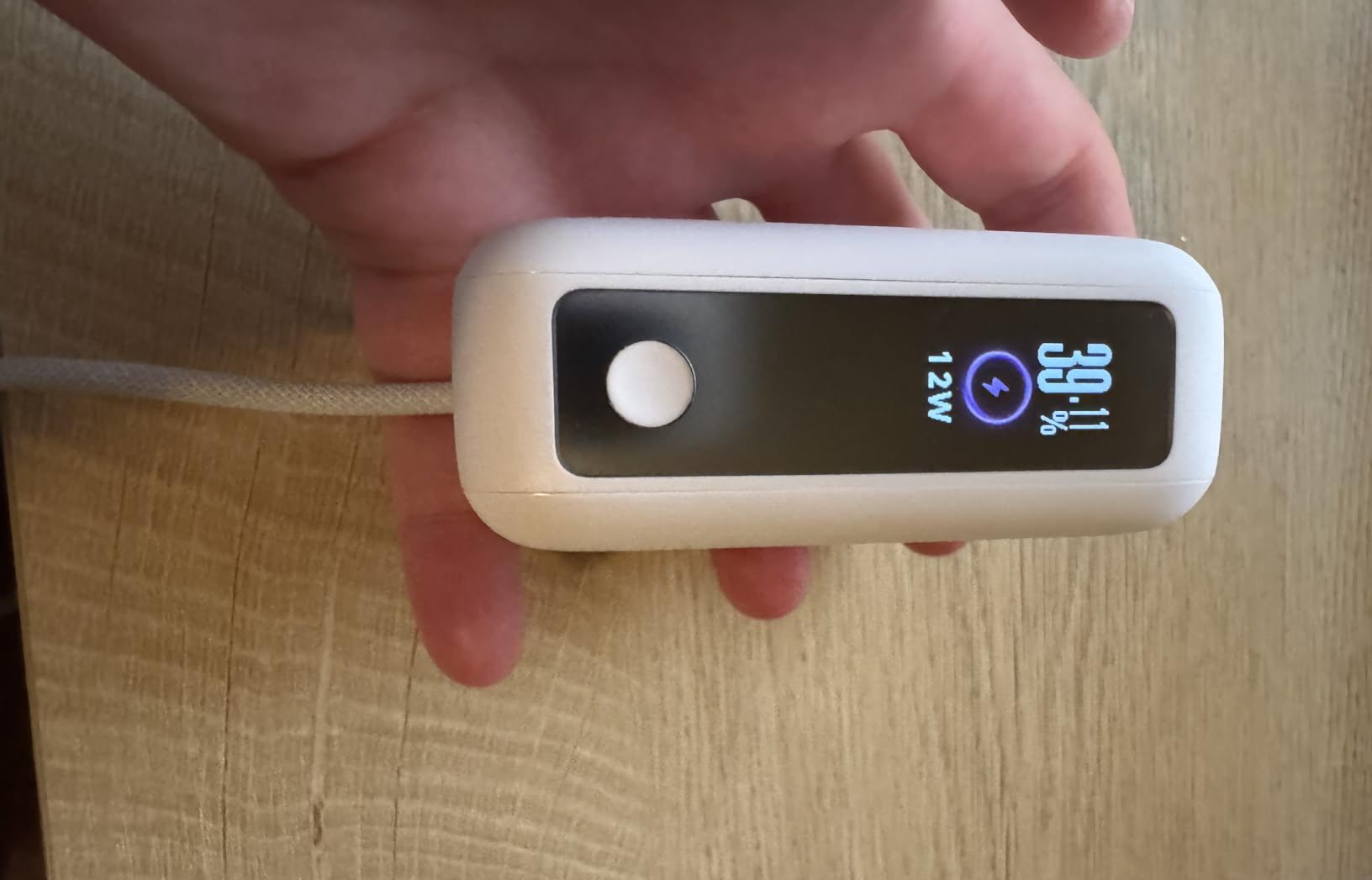
Hotel rooms typically offer two accessible outlets, sometimes fewer. Travelers with an iPhone, iPad, and Apple Watch face immediate infrastructure problems. The outlet that used to be sufficient for overnight charging now serves as a hub for multiple devices competing for the same power source.
Wall plug integration solved the adapter management problem that plagued earlier portable batteries. A battery that plugs directly into an outlet eliminates the need to carry separate wall adapters, reducing the number of small objects that get lost in luggage or left behind in hotel rooms.
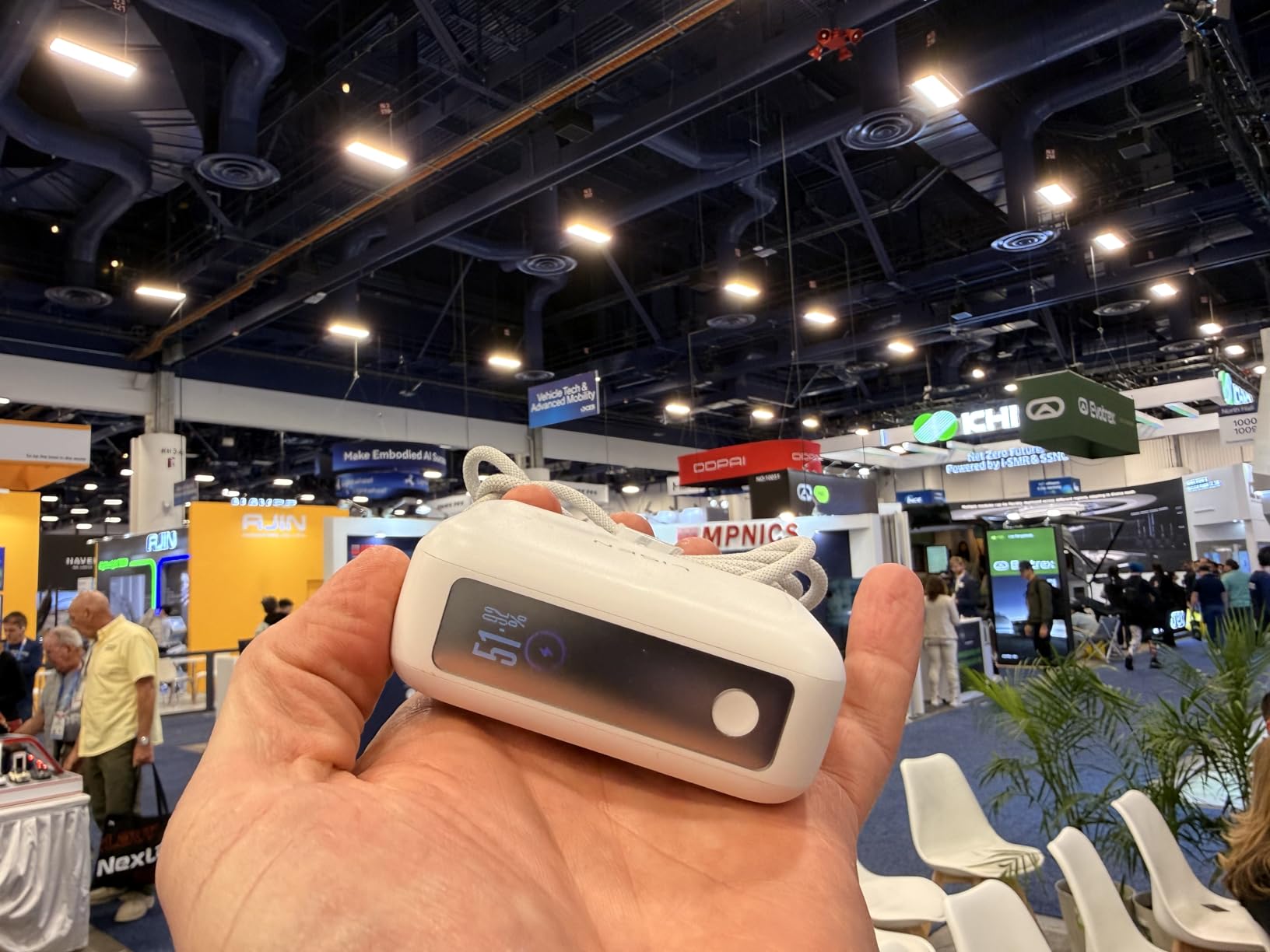
The combined functionality—wall charger when outlets are available, portable battery when they’re not—matches the reality of travel patterns. Airport lounges offer outlet access. Flights don’t. Hotel rooms have power. Day tours don’t. The device that transitions between these contexts without requiring different accessories reduces cognitive load during trips when mental energy is already taxed.
Built-in cables matter more during travel than daily use. Forgetting a cable at home means a quick replacement purchase. Forgetting a cable on a business trip means scrambling to find electronics stores in unfamiliar cities or borrowing from hotel front desks that may not have compatible options.
Fast charging capability became essential once people started treating portable batteries as primary charging methods rather than emergency backups. A 35-watt output can charge an iPhone and iPad simultaneously at reasonable speeds, turning the portable battery into a temporary charging station that doesn’t require finding multiple outlets.
SIMILAR
Why iPhone users are carrying standalone noise machines instead of relying on sleep apps
Apple Watch charging became a bedside ritual, here's why the placement matters more than expected
iPhone users are quietly giving up the cable and most dont realize why it happened so gradually over time
The capacity rating reflects travel duration assumptions. Seven thousand milliamp hours provides enough power for a full day away from outlets but not multiple days. This positions the device between true emergency backup and multi-day expedition power supply. It matches business travel and day trips more than camping or extended off-grid scenarios.
iOS doesn’t coordinate charging priorities across devices. When power is scarce, users manually decide whether the iPhone or iPad gets charged first. The ecosystem operates as individual devices rather than an integrated power management system, forcing users to make triage decisions the software could theoretically handle.
Previously listed around $50, current listings for combination wall charger and portable battery units with built-in cables now hover near $44, indicating steady demand from travelers managing Apple ecosystem power needs across inconsistent outlet availability.
"Note: Readers like you help support The Apple Tech. We may receive a affiliate commission when you purchase products mentioned on our website."