
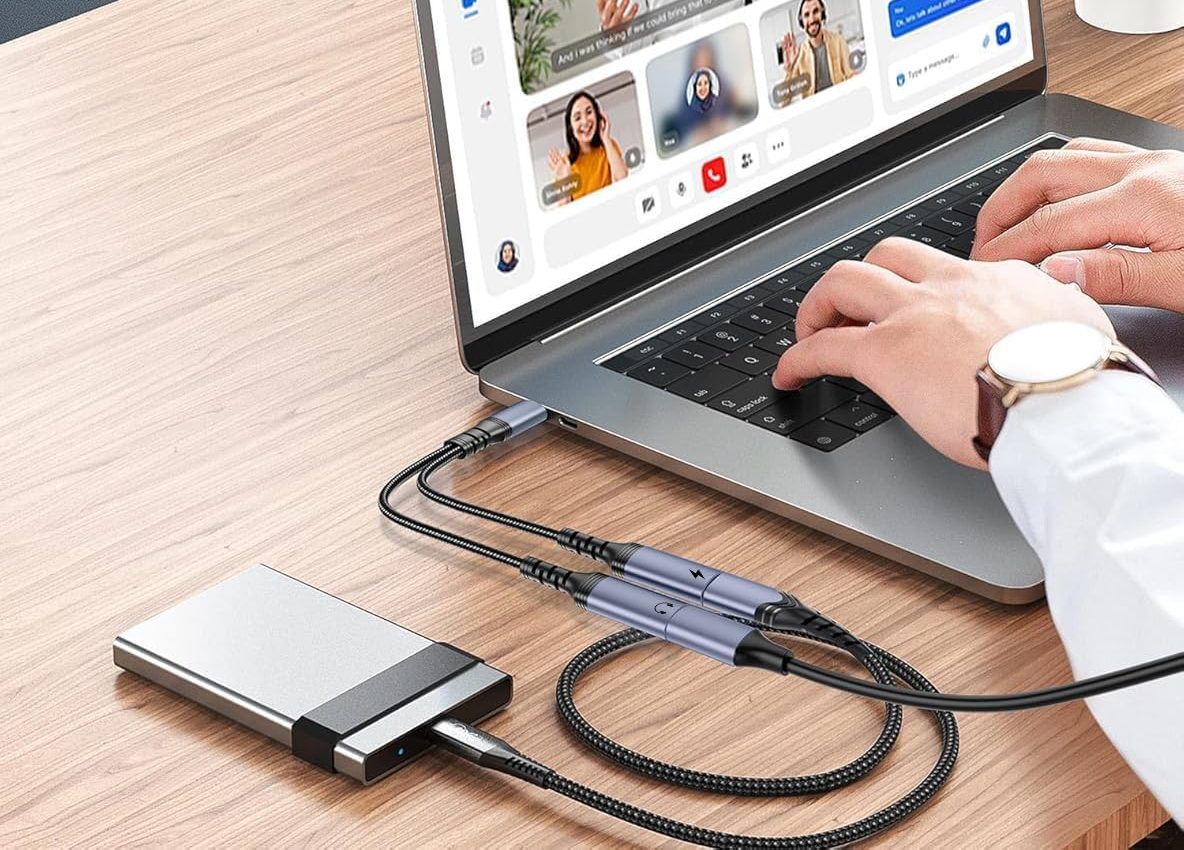
A small but telling accessory has become common among users of newer iPhones and MacBooks. It’s a splitter that allows a single USB-C port to handle two tasks simultaneously: charging and audio output. The need for this adapter reveals a design decision that prioritizes minimalism over flexibility, and users are quietly paying to work around the consequences.
When Apple transitioned iPhones and MacBooks to USB-C, the promise was universal connectivity. One port type for everything. But the reality is that many devices still have limited ports, and common usage patterns require more than what’s physically available. Listening to wired audio while charging is a basic need, but it requires either two ports or an adapter. Most users end up buying the adapter.
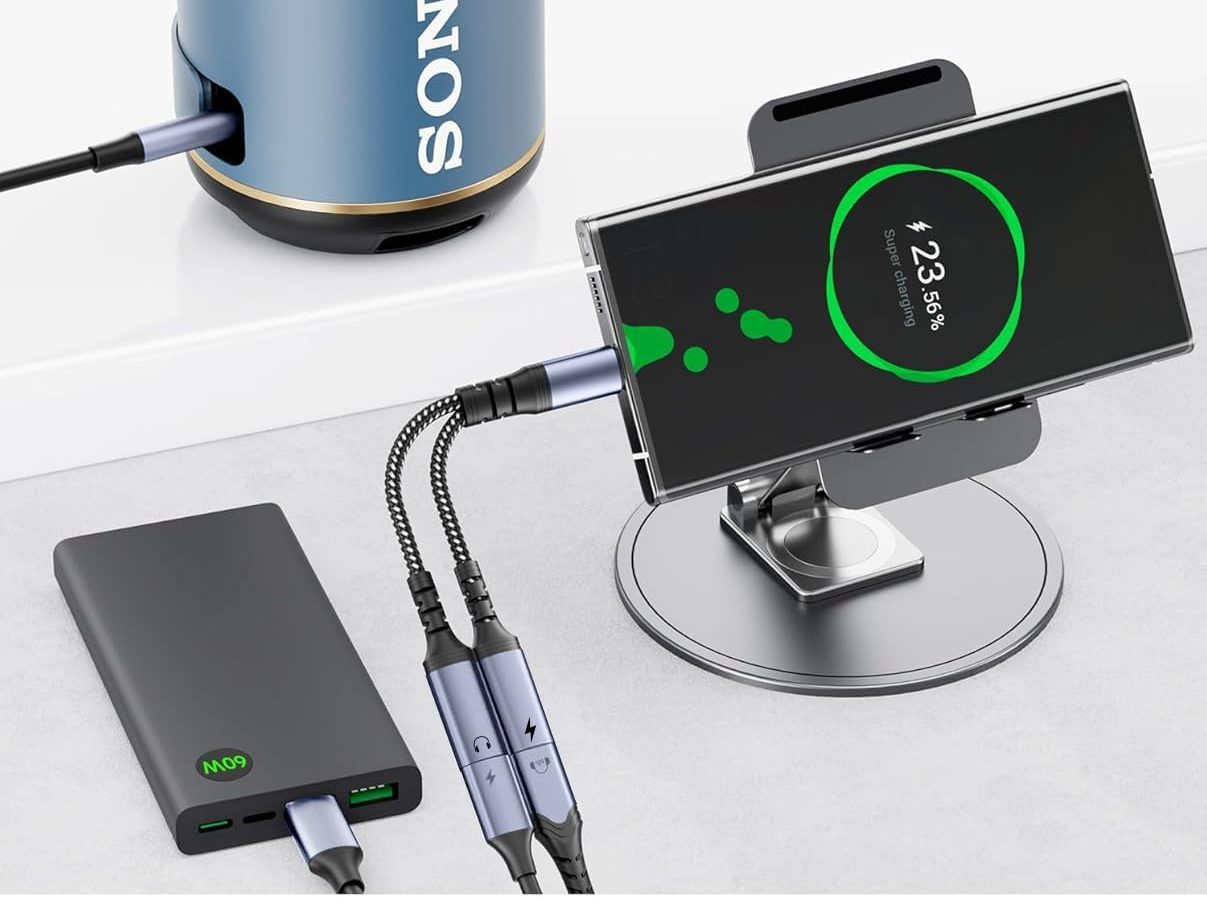
This is a friction point that didn’t exist in earlier hardware generations. Older iPhones had separate charging and headphone ports. Older MacBooks had multiple USB ports plus MagSafe for charging. The current design assumes wireless audio and wireless charging are universal, but real-world usage still involves wired connections often enough that the single-port limitation becomes a recurring inconvenience.
What’s interesting is how users perceive this. They don’t blame themselves for needing the adapter. They recognize it as a design limitation imposed by Apple’s aesthetic and engineering priorities. The adapter becomes a toll paid for staying within the ecosystem. It’s an acknowledgment that Apple’s vision of how devices should be used doesn’t fully align with how they’re actually used.
SIMILAR
Why iPhone users are carrying standalone noise machines instead of relying on sleep apps
Apple Watch charging became a bedside ritual, here's why the placement matters more than expected
iPhone users are quietly giving up the cable and most dont realize why it happened so gradually over time
There’s also a secondary issue. These adapters add complexity to what should be simple actions. Plug in the adapter, plug in the charger, plug in the headphones. Three connections where there used to be two. The adapter itself becomes another object to carry, another thing that can be forgotten or lost. The friction compounds.
This behavior is especially common among users who switch between iPhone and MacBook throughout the day. Both devices now use USB-C, which means the same adapter works for both, but it also means the same port limitation exists on both. The problem follows users across their entire Apple ecosystem experience.
What this reveals is a gap between Apple’s design philosophy and user behavior. Apple designs for the future it wants: wireless everything, minimal ports, seamless integration. But users still live in a present where wired connections are common, where charging and audio need to happen simultaneously, and where port limitations create daily friction. The adapter is the compromise that makes the ecosystem functional, but it’s a compromise users have to purchase separately.
Previously listed near $17, current listings of some dual USB-C splitter adapters for simultaneous charging and audio now appear closer to $10(CODE 962N5O2M).
"Note: Readers like you help support The Apple Tech. We may receive a affiliate commission when you purchase products mentioned on our website."