

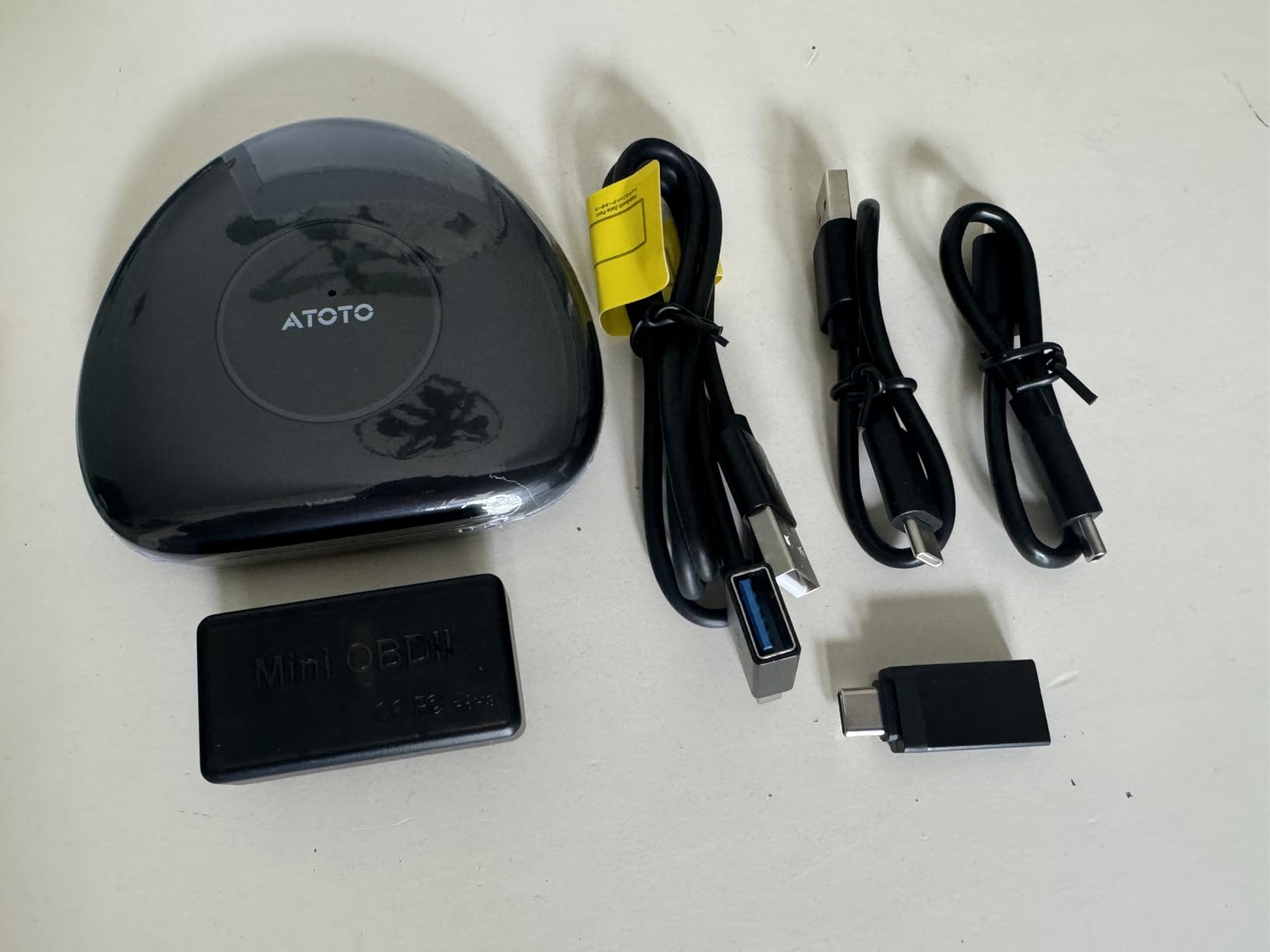
CarPlay has become the default way most iPhone users interact with their vehicles. It’s predictable, familiar, and integrates the iPhone’s functionality into the car’s display with minimal friction. But a growing segment of users is realizing that the CarPlay experience their vehicle provides isn’t the only version available. Third-party adapters can unlock features and functionality that automakers chose not to implement or restricted intentionally.
This creates a strange dynamic. The iPhone is capable of more than what the car’s factory system permits. Video playback, additional apps, and expanded interface options exist within CarPlay’s architecture, but they’re blocked by the automaker’s configuration. Users who discover this feel as though they’re being limited not by their device’s capabilities, but by their vehicle’s deliberate restrictions.
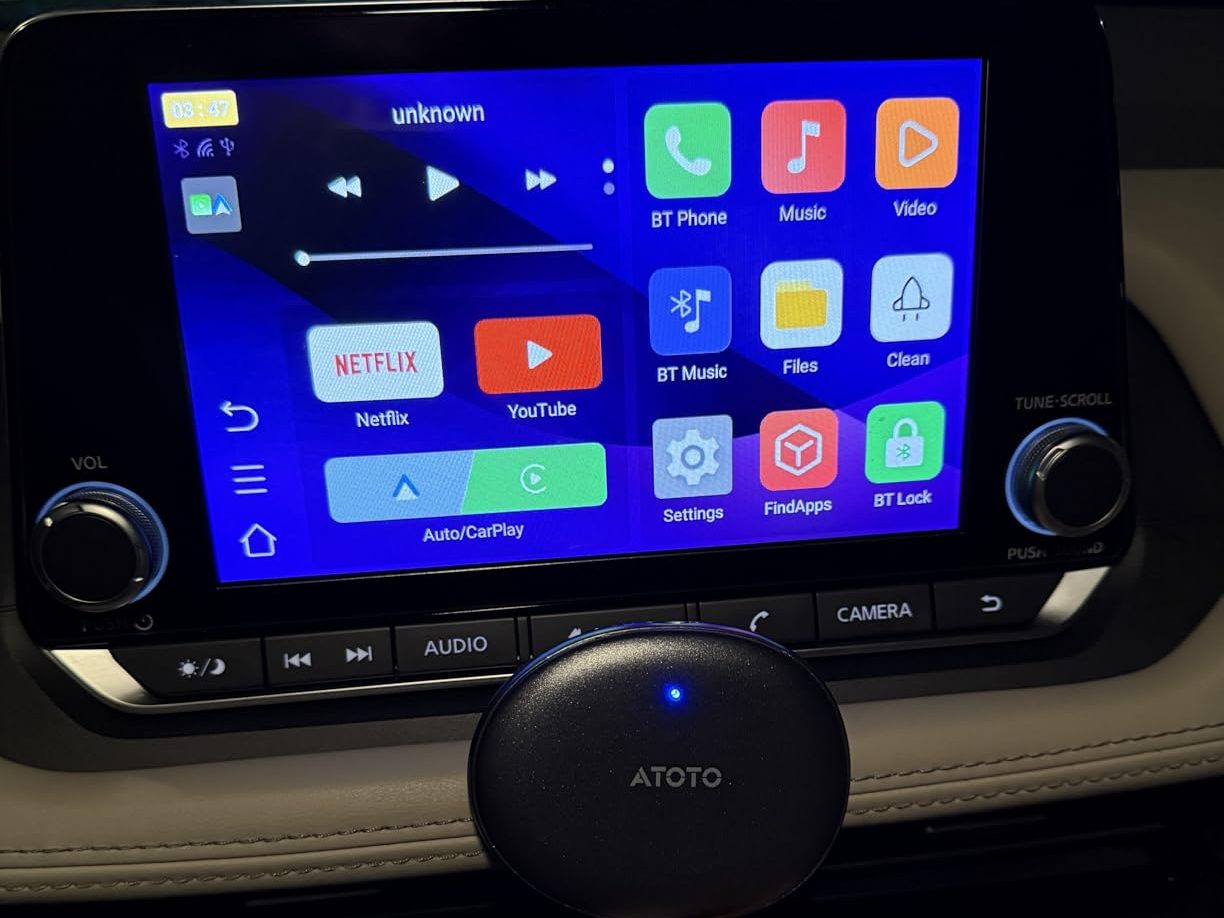
What these adapters do is bypass those restrictions. They sit between the iPhone and the car’s system, intercepting the connection and presenting an expanded version of CarPlay that includes capabilities the factory system suppressed. Suddenly, passengers can watch videos. Navigation options multiply. The interface becomes more flexible. The car’s screen behaves more like the iPhone itself rather than a constrained subset of it.
This touches on a tension that exists throughout the Apple ecosystem. Integration with third-party systems is supposed to be seamless, but it’s only as seamless as the third party allows. Automakers have their own priorities, their own liability concerns, and their own business models that might conflict with giving users full access to what the iPhone can do. The result is an experience that feels artificially limited.
SIMILAR
Why iPhone users are carrying standalone noise machines instead of relying on sleep apps
Apple Watch charging became a bedside ritual, here's why the placement matters more than expected
iPhone users are quietly giving up the cable and most dont realize why it happened so gradually over time
What’s notable is the way users justify adopting these adapters. They’re not trying to do something unusual. They’re trying to access functionality that feels like it should already be available. The adapter isn’t adding new capabilities to the iPhone. It’s removing restrictions that someone else placed on what the iPhone can do through CarPlay.
There’s a subtle ethical dimension as well. Automakers design systems with driver distraction and safety in mind. Opening up video playback and additional apps introduces risks that factory CarPlay systems intentionally avoid. Users bypassing those restrictions are making a choice about acceptable risk that the automaker decided differently. The adapter shifts responsibility from the automaker to the user.
The behavior is spreading quietly. Users share information in forums, recommend specific adapters, and describe the experience as unlocking what CarPlay was supposed to be. The iPhone remains the same device, but its relationship with the vehicle changes. The car becomes less of a gatekeeper and more of a display for whatever the iPhone wants to present.
Previously listed near $100, current listings of some wireless CarPlay adapters with expanded multimedia capabilities now appear closer to $40(CODE XO6I6Y4O).
"Note: Readers like you help support The Apple Tech. We may receive a affiliate commission when you purchase products mentioned on our website."