
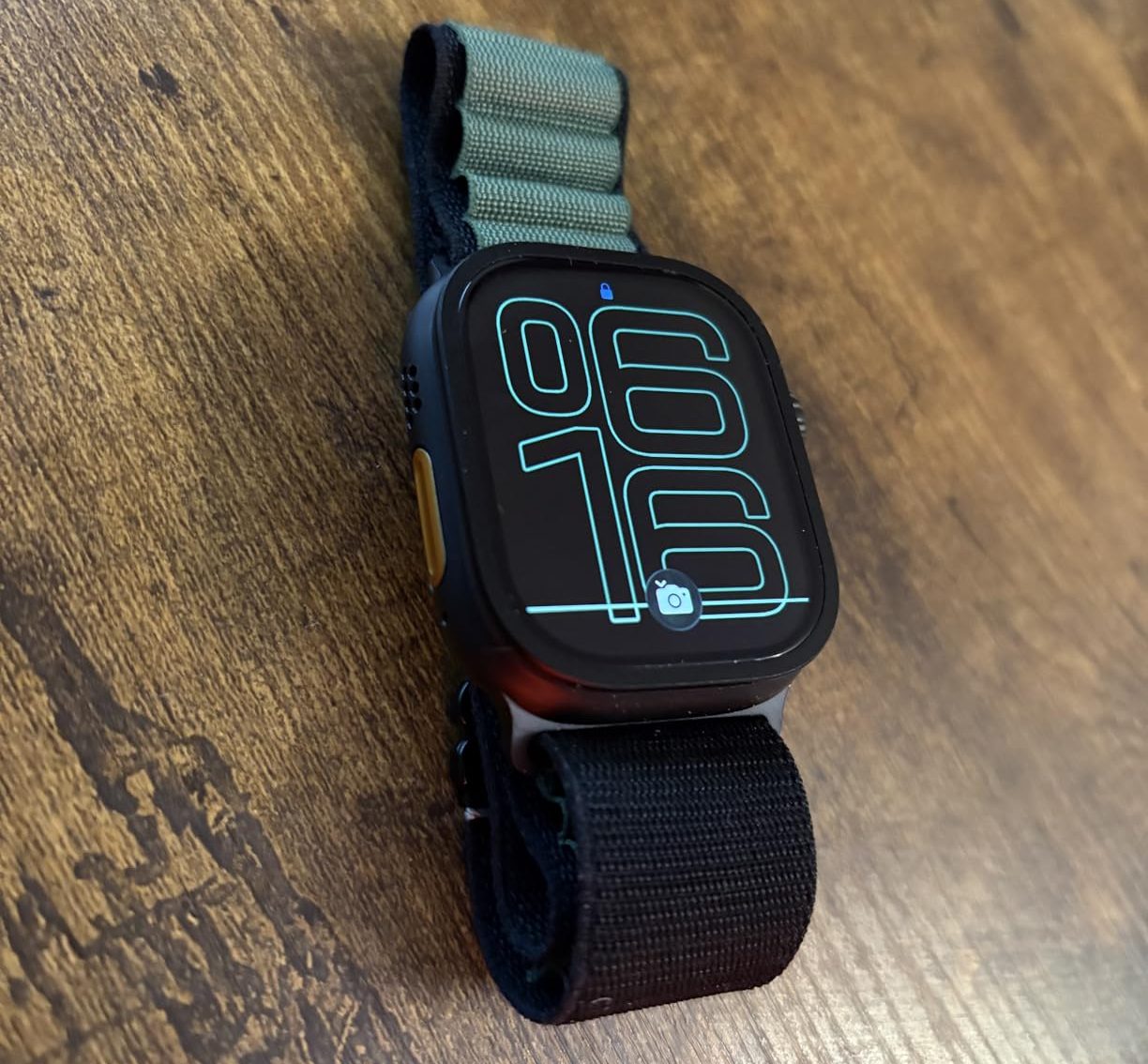
The Apple Watch is designed to be worn constantly. Sleep tracking, activity rings, heart rate monitoring—all of it assumes the device stays on. But the band is what determines whether that actually happens, and that’s where the friction shows up.
People who wear the watch all day develop a specific awareness of weight, breathability, and how the band feels during different activities. A band that works well at a desk can feel wrong during exercise. One that’s comfortable for sleep might be too loose for running. The device itself doesn’t change, but the context does, and the band is what mediates that transition.
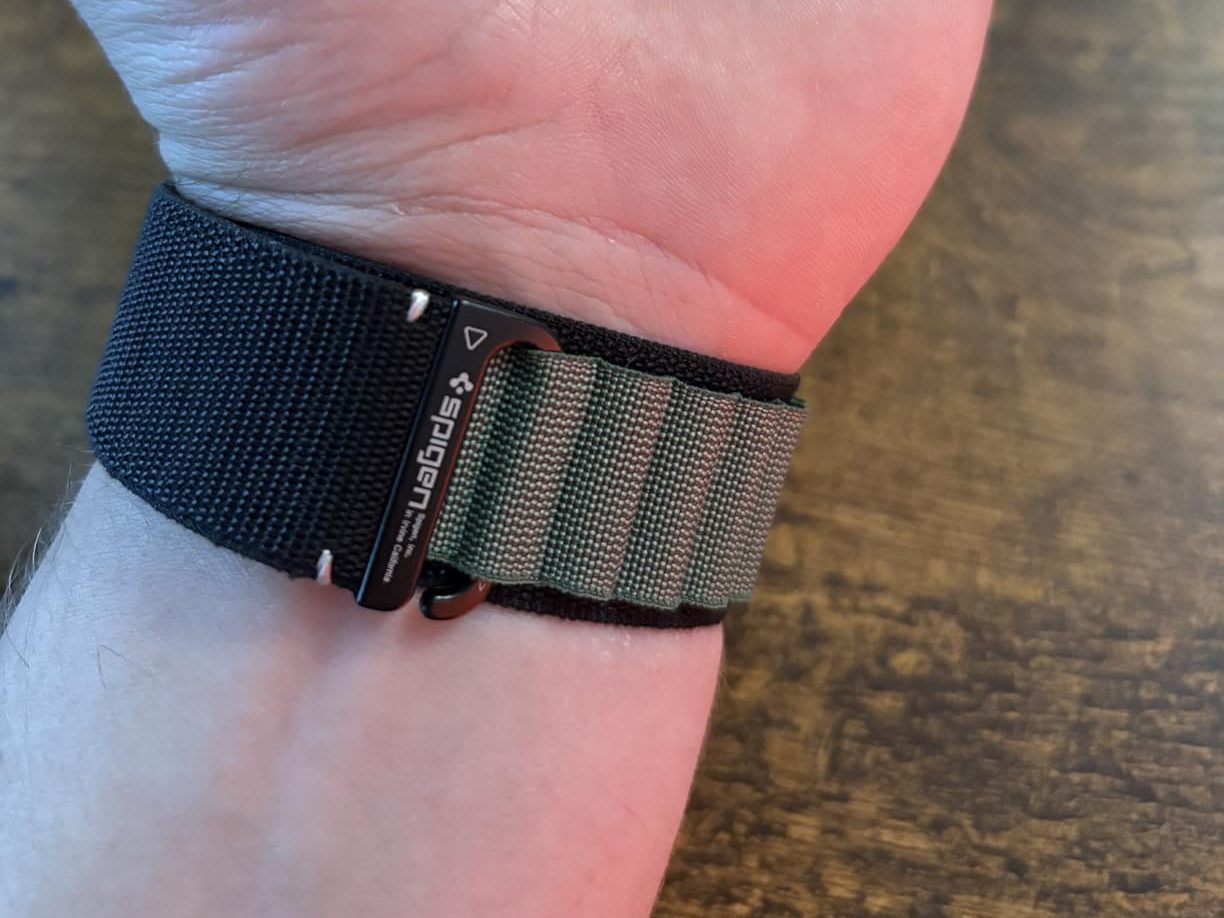
This isn’t new, but it’s become more pronounced as Apple Watch functionality has expanded. The more reasons there are to keep the watch on, the more noticeable it becomes when the band creates a reason to take it off. A too-tight sport band during a long meeting. A too-warm fabric strap during sleep. A metal link that catches on a sleeve.
What’s interesting is how often people solve this by rotating bands rather than finding one that works everywhere. The watch encourages all-day wear, but the physical reality of all-day wear is that no single band fits every situation. The result is a small ecosystem of bands that mirror the larger Apple ecosystem: multiple objects serving the same function in slightly different contexts.
SIMILAR
Why iPhone users are carrying standalone noise machines instead of relying on sleep apps
Apple Watch charging became a bedside ritual, here's why the placement matters more than expected
iPhone users are quietly giving up the cable and most dont realize why it happened so gradually over time
The market has responded with lighter materials, more breathable designs, and quicker swap mechanisms. But the underlying tension remains: the watch is built for continuity, and the band is where that continuity breaks down.
This isn’t a flaw in the product. It’s a reflection of how difficult it is to design something that adapts to every context a person moves through in a day. The watch tracks that movement, but the band has to accommodate it, and that’s a harder problem to solve.
For now, the solution is personal and iterative. People experiment, rotate, and adjust. The watch stays on, but only because the band is swapped out.
Previously listed around $25, current listings now hover closer to $20.
"Note: Readers like you help support The Apple Tech. We may receive a affiliate commission when you purchase products mentioned on our website."