How iPad and MacBook Users Quietly Embraced a Portable Color Reader at Night



It started with a commute. A train ride long enough to open a laptop, short enough to feel rushed. A phone already down from morning notifications. A bag with cables, but not the right combination at the right moment. These…

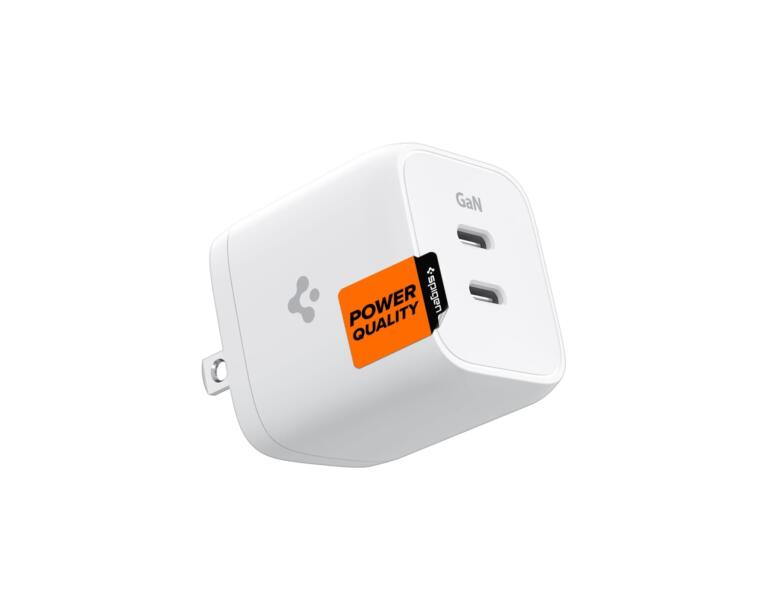
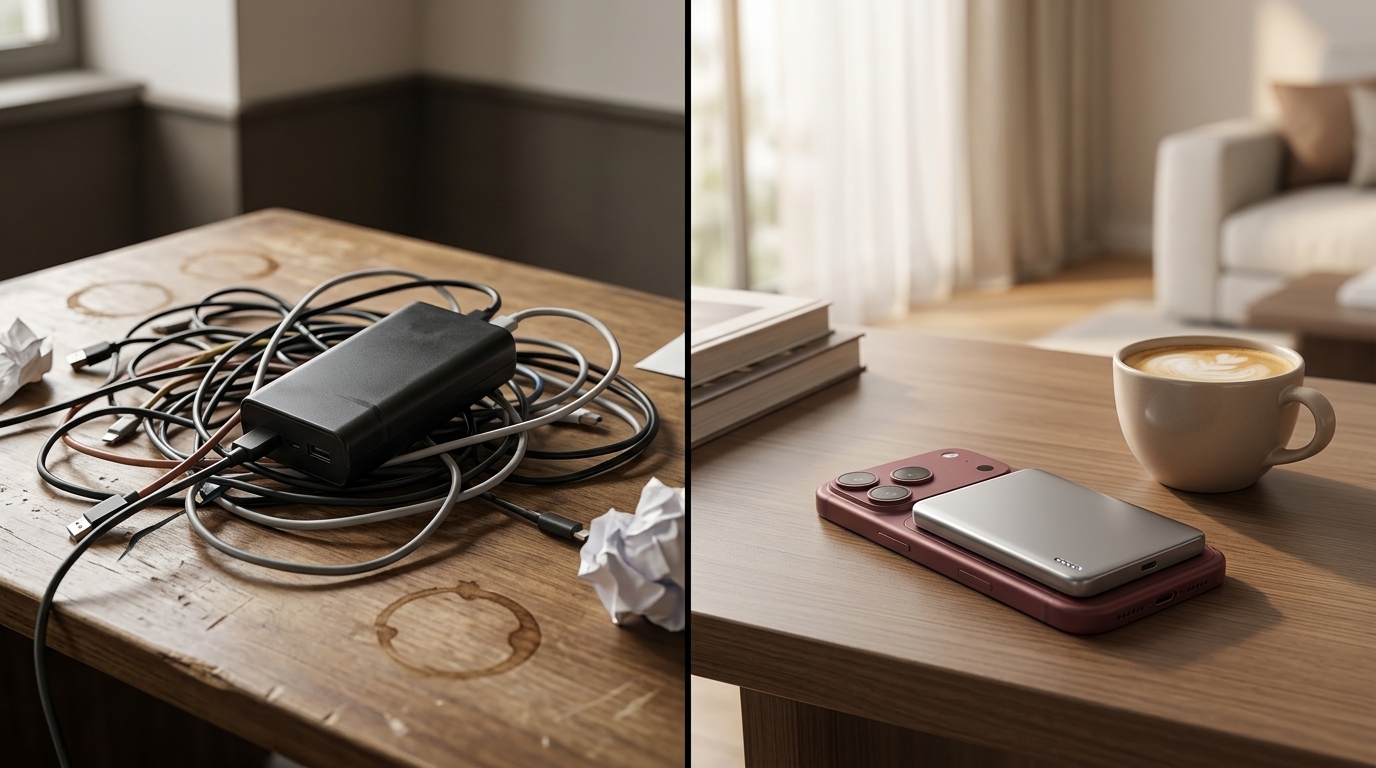
Most charging setups grow quietly over time. A cable for the laptop. Another for the phone. One more tucked into a bag, just in case. What starts as convenience turns into clutter. And in homes where iPhones and MacBooks share…

We don’t think much about pens until they stop working. The same is true for styluses. They sit in bags, on desks, beside keyboards — invisible until the moment they’re needed. Over the past few years, the iPad has shifted…

Charging used to mean plugging in before bed. Now it often means deciding which device gets priority. Phones, watches, wireless earbuds — each with its own cable or pad. The surface area they consume adds up, especially in smaller living…

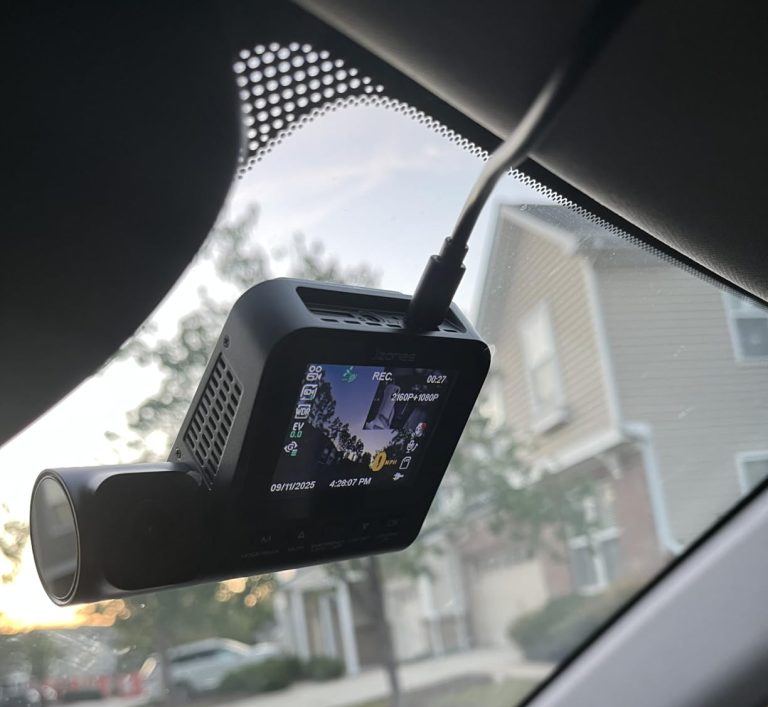
There’s a moment that happens to many drivers, usually after a close call or a friend’s accident story, when they realize they’ve been operating a two-ton vehicle in public spaces with no documentary record of what happens around them. The…

There used to be an unspoken hierarchy around outlets in shared spaces. Whoever got there first claimed the charger, the cable, the spot closest to the nightstand or the couch. The other person made do—stretched a cable across the bed,…

There’s a particular tension iPhone users live with during any memorable experience: the awareness that you’re simultaneously present and performing curation. You’re choosing the frame. You’re deciding which direction matters. You’re making real-time editorial decisions about which parts of this…

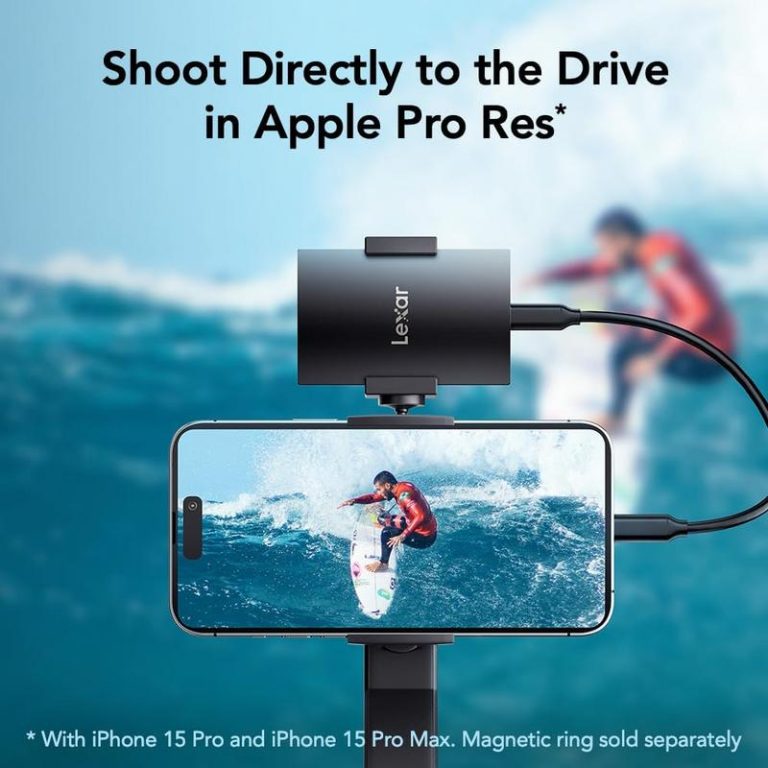
iPhone videography happens in a specific posture. One hand grips the device vertically, thumb hovering near the record button or volume control. The frame wobbles slightly as the user shifts weight or adjusts position. The other hand sometimes reaches across…

For years, each new Apple device arrived with its own charger, and users absorbed this as normal. An iPhone charger stayed near the bed, an iPad charger lived in the kitchen, a MacBook charger remained in a bag. The accumulation…

Something unexpected happened to the three-device charging pad. It was supposed to declutter bedroom surfaces, consolidate cables, create a permanent charging zone. For many Apple users, it did that for about three weeks. Then it started traveling. The shift began…

The nightstand has become a charging hub. For people deep in the Apple ecosystem, that means an iPhone, an Apple Watch, and AirPods all need power overnight. Three devices, three cables, three separate spots on the nightstand—or at least that’s…

The thin band felt like almost nothing on the wrist, which mattered when the watch needed to stay on through sleep, showers, and everything between. Traditional watch bands with substantial material presence become noticeable during extended wear, especially overnight when…

The station replaced eight individual chargers, which meant eight fewer wall adapters competing for outlets and eight fewer cables crossing desks and nightstands. As households accumulated more devices requiring daily charging—multiple iPhones, iPads for kids, MacBooks for work, Apple Watches,…

The patented anti-yellowing formula promised the case would stay crystal clear for years, not months, which matched how long people were actually keeping their iPhones. Virgin TPU and proprietary treatments represent material science advances addressing the oxidation that turns traditional…

The ten-foot cable reached from the outlet by the door to the bed against the far wall, which meant charging location no longer determined where you could sit or lie. Hotel rooms with inconveniently placed outlets, bedrooms where furniture doesn’t…