
The expectation was that Bluetooth would replace wired audio seamlessly, and for many iPhone users, it has. But a significant number still reach for wired earbuds or headphones, whether for lower latency, better sound quality, or simply because they already own a pair they prefer. For them, the absence of a headphone jack has become less of an inconvenience and more of a recurring friction point.
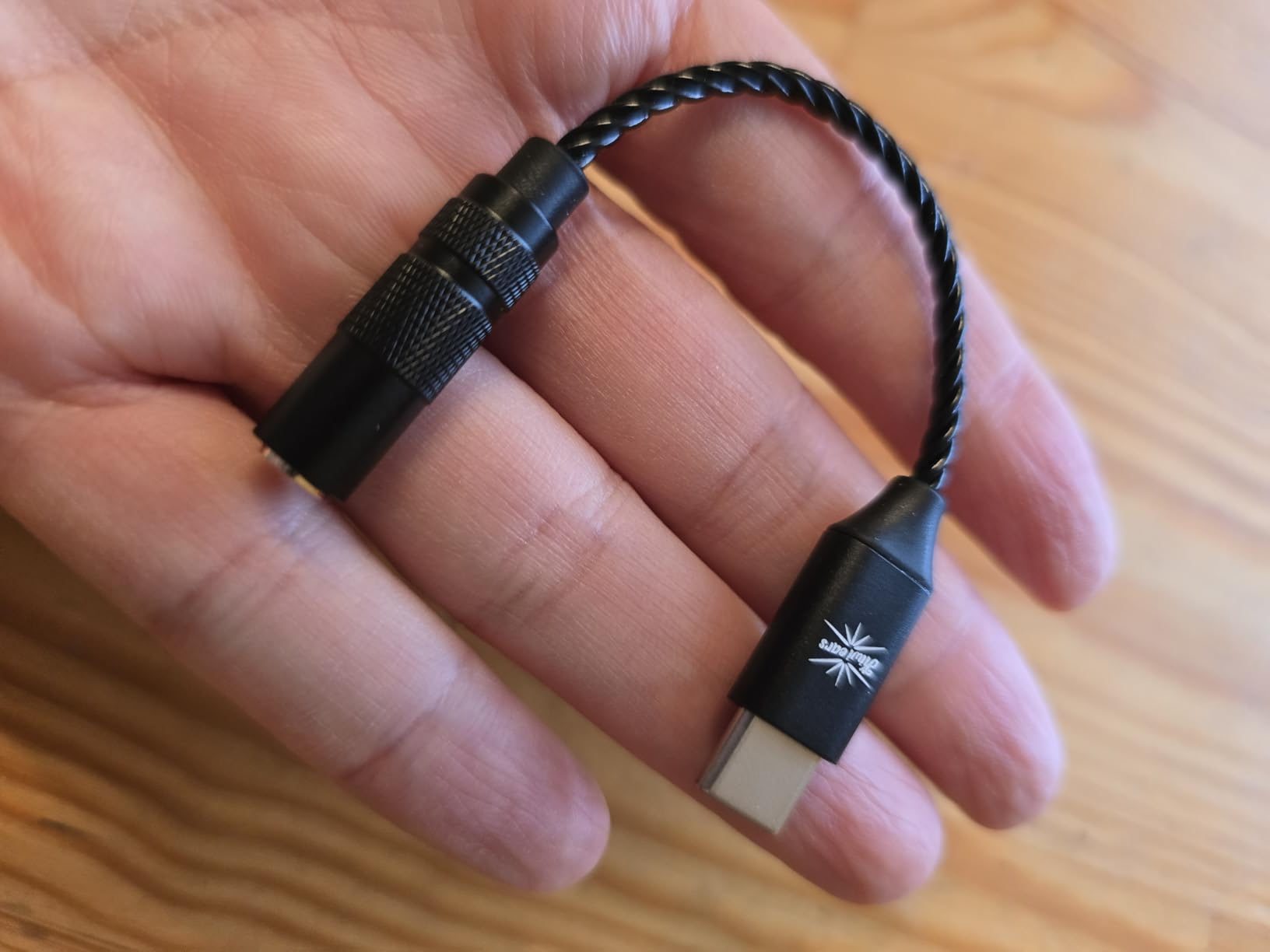
The dongle itself is small, inexpensive, and easy to lose. It dangles from the charging port when in use, making it impossible to charge and listen simultaneously unless a splitter is added. It’s one more thing to remember, one more piece to misplace, and one more step before audio actually plays. The friction is minor in isolation, but it compounds with every use.
What’s revealing is how little this behavior has changed over time. Apple removed the headphone jack in 2016, expecting users to transition fully to wireless. Nearly a decade later, wired listening hasn’t disappeared—it’s just become more cumbersome. The people who still prefer it have learned to keep dongles attached to their headphones, stashed in bags, or ordered in multiples to reduce the chance of being caught without one.
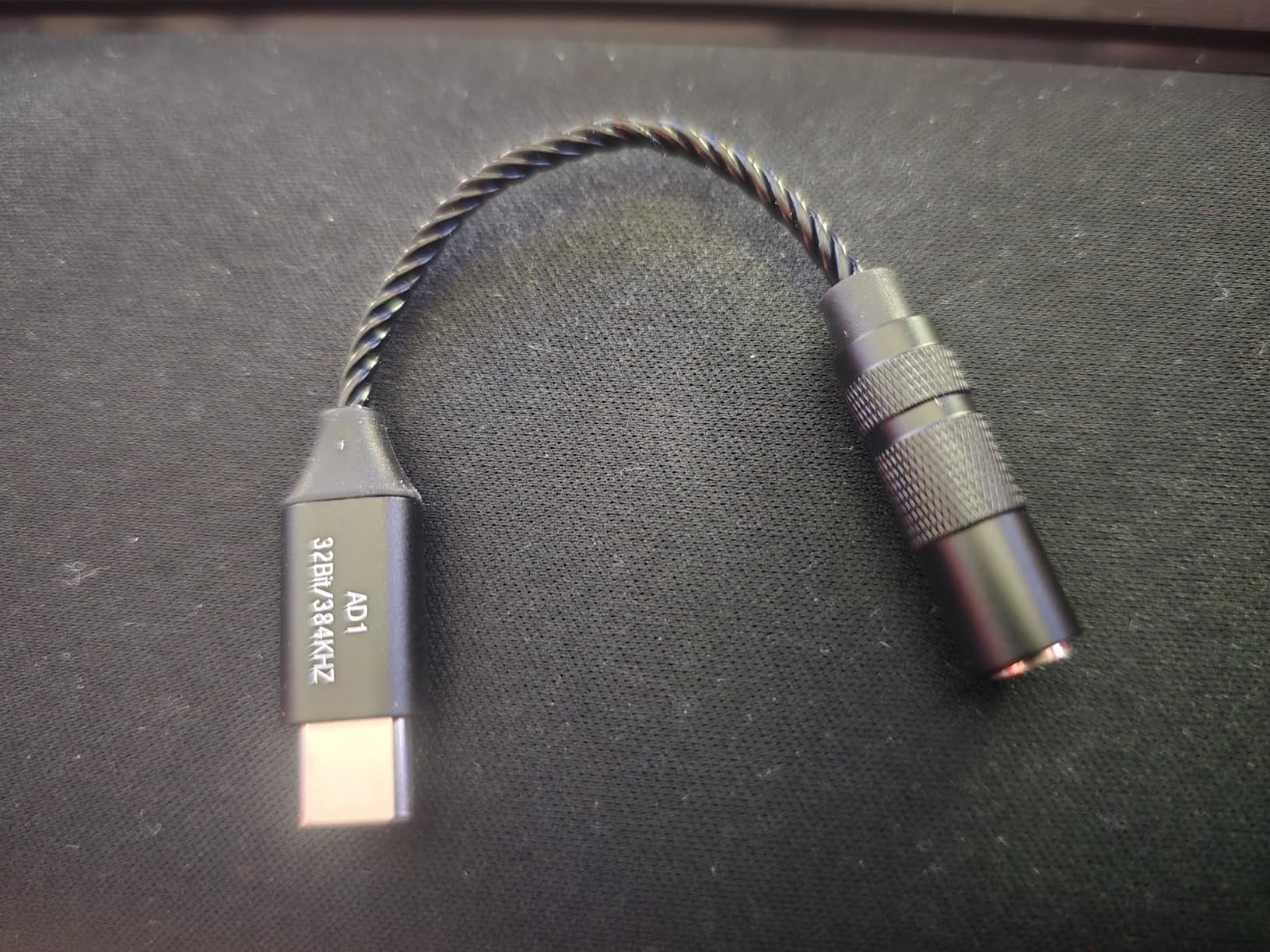
The quality of the dongle matters more than expected. Apple’s own adapter works reliably but offers basic audio output. Third-party dongles with digital-to-analog converters that support higher bit rates and sample rates have found an audience among iPhone users who want better sound from wired headphones than the standard Lightning or USB-C adapter provides. The difference is audible, particularly with higher-end earbuds, and for some users, that difference justifies carrying yet another small accessory.
iOS itself offers no acknowledgment of this workflow. There’s no setting to prioritize wired audio, no notification when a dongle is connected, no software feature designed to make the experience smoother. The assumption within Apple’s ecosystem is that wireless is the default, and anyone still using wired audio is working against the grain.
SIMILAR
iPhone and MacBook users are compensating for a port problem Apple created
iPhone users are eliminating the tangled cable from every car charging session
iPhone users are transforming nightstands into silent charging infrastructure
This creates a quiet tension between how Apple designs for the future and how a segment of iPhone users actually listen. Bluetooth is convenient, but it introduces latency that’s noticeable during video calls or gaming. It requires charging, pairing, and occasional reconnection. Wired audio remains immediate, reliable, and sonically consistent—but only after finding the dongle.
The behavior shift isn’t toward wireless. It’s toward accepting that wired audio on iPhone now requires preparation. The people who prefer it have adjusted by keeping adapters tethered to their headphones or purchasing higher-quality dongles that justify the inconvenience with better output. It’s a workaround, not a solution, and iOS continues to treat it as an edge case rather than a legitimate preference.
USB-C to 3.5mm adapters with advanced DAC chips, supporting high-resolution audio up to 32-bit and 384kHz, are widely available for around $13, reflecting a market that exists because iPhone users are still listening with wires, not because Apple encourages it.
"Note: Readers like you help support The Apple Tech. We may receive a affiliate commission when you purchase products mentioned on our website."