

For years, the logic was simple: if you owned an iPhone, you bought AirPods. The pairing was instant, the H-series chip ensured seamless switching between devices, and the design became instantly recognizable. AirPods weren’t just earbuds—they were an extension of the Apple ecosystem, and choosing anything else felt like opting out of features that iOS was designed to deliver.
That logic has started to fracture. AirPods still offer the most frictionless experience with iPhone, but the gap between what they provide and what third-party earbuds can deliver has narrowed. Noise cancellation has improved across the market. Battery life on alternatives often exceeds what AirPods offer. Sound quality, particularly bass response, has become a differentiator that some users now prioritize over seamless device switching.
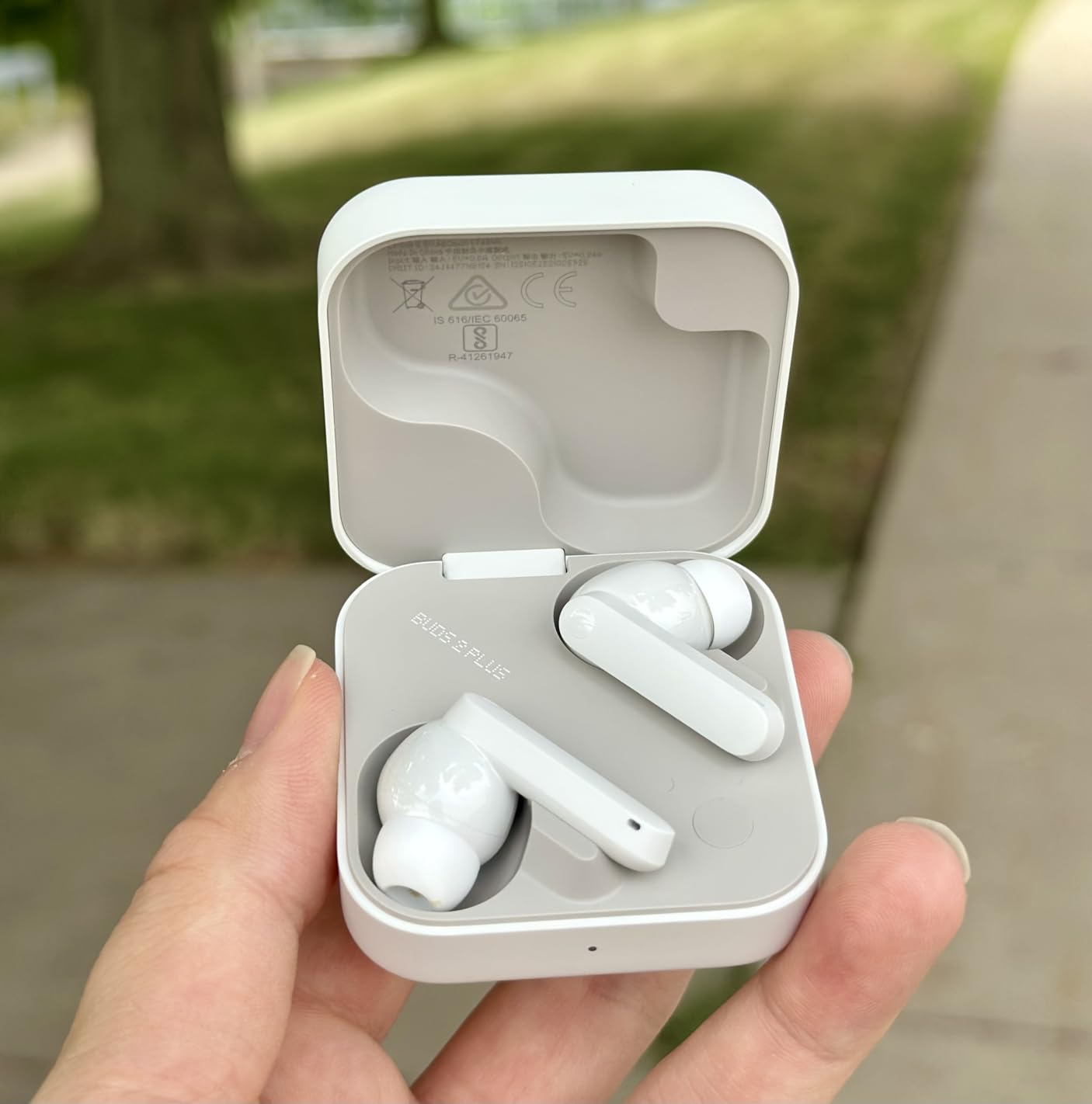
The behavior shift is most visible among iPhone users who don’t own multiple Apple devices. If there’s no MacBook or iPad to switch between, the primary advantage of AirPods—automatic handoff—becomes less relevant. What remains is a comparison of audio performance, battery longevity, and fit. On those metrics, AirPods don’t always win, and the price difference makes the alternative more appealing.
Third-party earbuds have also adapted to work more smoothly with iPhone. Fast pairing has improved. iOS now supports better codec compatibility. While they don’t match the native integration of AirPods, the friction of using non-Apple earbuds with iPhone has decreased enough that many users no longer feel they’re sacrificing convenience for cost savings.
What’s changed isn’t just the hardware but the expectation of what wireless earbuds should provide. A few years ago, AirPods set the standard, and everything else was measured against them. Now, the baseline for what wireless earbuds should deliver has shifted, and AirPods no longer define the ceiling. Features like adaptive noise cancellation, extended battery life, and customizable EQ settings are available across multiple brands, often at lower price points.
SIMILAR
iPhone and MacBook users are compensating for a port problem Apple created
iPhone users are eliminating the tangled cable from every car charging session
iPhone users are transforming nightstands into silent charging infrastructure
The tension this creates is subtle but real. Apple built AirPods to be the obvious choice for iPhone users, and for millions, they still are. But for a growing segment, the calculation has shifted from “which AirPods should I buy” to “do I need AirPods at all.” The answer increasingly depends on whether the user values ecosystem integration more than audio performance and battery life.
This doesn’t mean AirPods are losing ground across the board. They remain the top-selling wireless earbuds globally, and their integration with iOS continues to be a significant advantage. But the assumption that they’re the default choice for every iPhone user is weakening, particularly among those willing to trade seamless pairing for better sound or longer use between charges.
Wireless earbuds with adaptive noise cancellation, high-resolution audio support, and battery life exceeding 60 hours with the charging case are now available in the $55 to $79 range, positioning them as viable alternatives for iPhone users who no longer see AirPods as the only option worth considering.
"Note: Readers like you help support The Apple Tech. We may receive a affiliate commission when you purchase products mentioned on our website."