A few years ago, recording video on iPhone typically meant either holding the device yourself or handing it to someone else. The idea of propping it up on a tripod and recording solo felt like something reserved for vloggers or influencers—people creating content for an audience. That distinction has started to blur as more iPhone users find themselves needing to record alone, whether for work presentations, fitness tracking, or simply documenting an activity without relying on another person’s availability.
The shift reflects a broader change in what video capture is used for. It’s no longer just about preserving a moment someone else can frame and hold steady. It’s about creating footage that requires both hands free, consistent framing, and the ability to review and reshoot without asking someone to keep filming. The expectation that someone else would hold the phone has been replaced by the assumption that recording should happen autonomously.
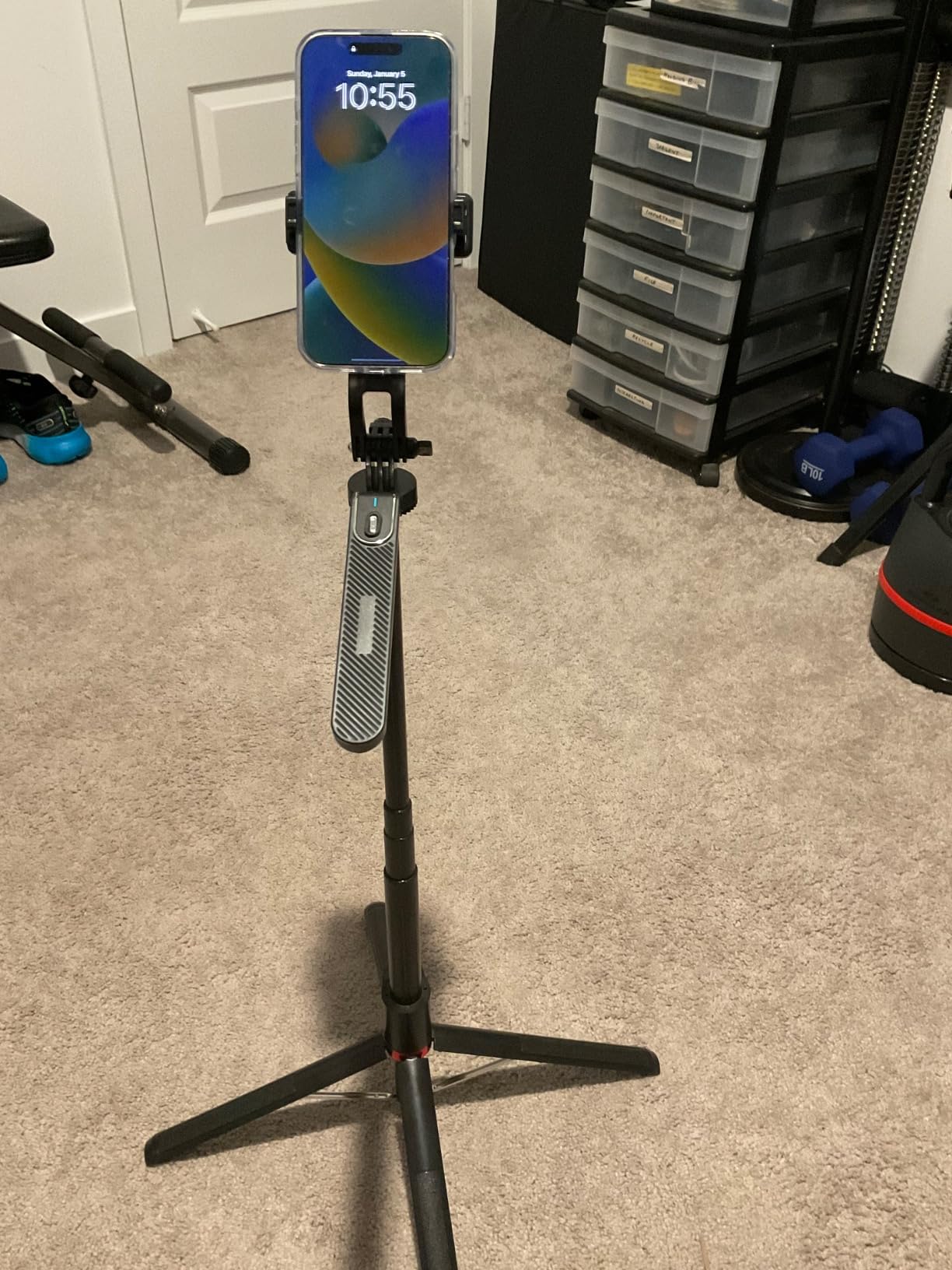
This has led to the rise of tripod setups designed specifically around iPhone’s form factor and capabilities. Extendable poles that convert into tripods, remote Bluetooth triggers that start and stop recording from a distance, adjustable phone holders that grip securely without obscuring buttons or lenses—these aren’t niche tools anymore. They’re becoming standard accessories for anyone who records more than casually.
What’s revealing is how often these setups get used not for polished content but for functional recording. Checking form during exercise. Recording a presentation rehearsal. Capturing a recipe process step-by-step. The tripod isn’t there to make the video look professional—it’s there because the alternative is either holding the phone awkwardly or skipping the recording entirely.
Lighting has also entered the equation, even for users who aren’t creating content for public consumption. Built-in LED fill lights that clip onto the tripod or mount beside the phone have become common, not because iPhone cameras struggle in low light but because even moderate dimness creates footage that’s harder to review clearly. The addition of external lighting is less about aesthetics and more about making sure the recording is actually usable afterward.
SIMILAR
iPhone and MacBook users are compensating for a port problem Apple created
iPhone users are eliminating the tangled cable from every car charging session
iPhone users are transforming nightstands into silent charging infrastructure
The behavior extends beyond solo creators. People recording family events, home workouts, cooking tutorials for personal archives, or video messages for remote colleagues are setting up tripods more frequently than they used to. The friction of asking someone to hold the phone for ten minutes has been replaced by the minor inconvenience of setting up a stand, and for many users, that trade-off feels worthwhile.
What this signals is a shift in how iPhone video capability is understood. Apple designed the camera to be handheld, spontaneous, and intuitive. But as video recording becomes more deliberate—longer takes, specific framing, hands-free operation—the handheld model shows its limits. The tripod setup isn’t a workaround. It’s a recognition that iPhone video is now being used in ways that require stability and autonomy rather than just portability.
Extendable tripod stands with 360-degree rotation, dual Bluetooth remotes, integrated LED fill lights, and adjustable phone holders are currently available in the $30 to $40 range, reflecting a market where solo iPhone video recording has transitioned from occasional necessity to expected capability.
"Note: Readers like you help support The Apple Tech. We may receive a affiliate commission when you purchase products mentioned on our website."