When Apple introduced the quick-release band system, the implication was convenience—swap styles to match an outfit, switch from casual to formal, change colors on a whim. What’s emerged instead is a more pragmatic behavior: users are swapping bands not for aesthetics but for function, and they’re doing it multiple times a day based on whether they’re sitting, moving, or sweating.
The issue is that no single band type satisfies all contexts equally well. Leather and metal bands look polished but trap heat during exercise. Sport bands stay secure during movement but feel clinical at a dinner table. Elastic loops stretch comfortably during activity but loosen too much for precise raise-to-wake gestures. The Apple Watch was designed to be worn continuously, but the bands themselves weren’t designed to transition seamlessly between sedentary and active use.
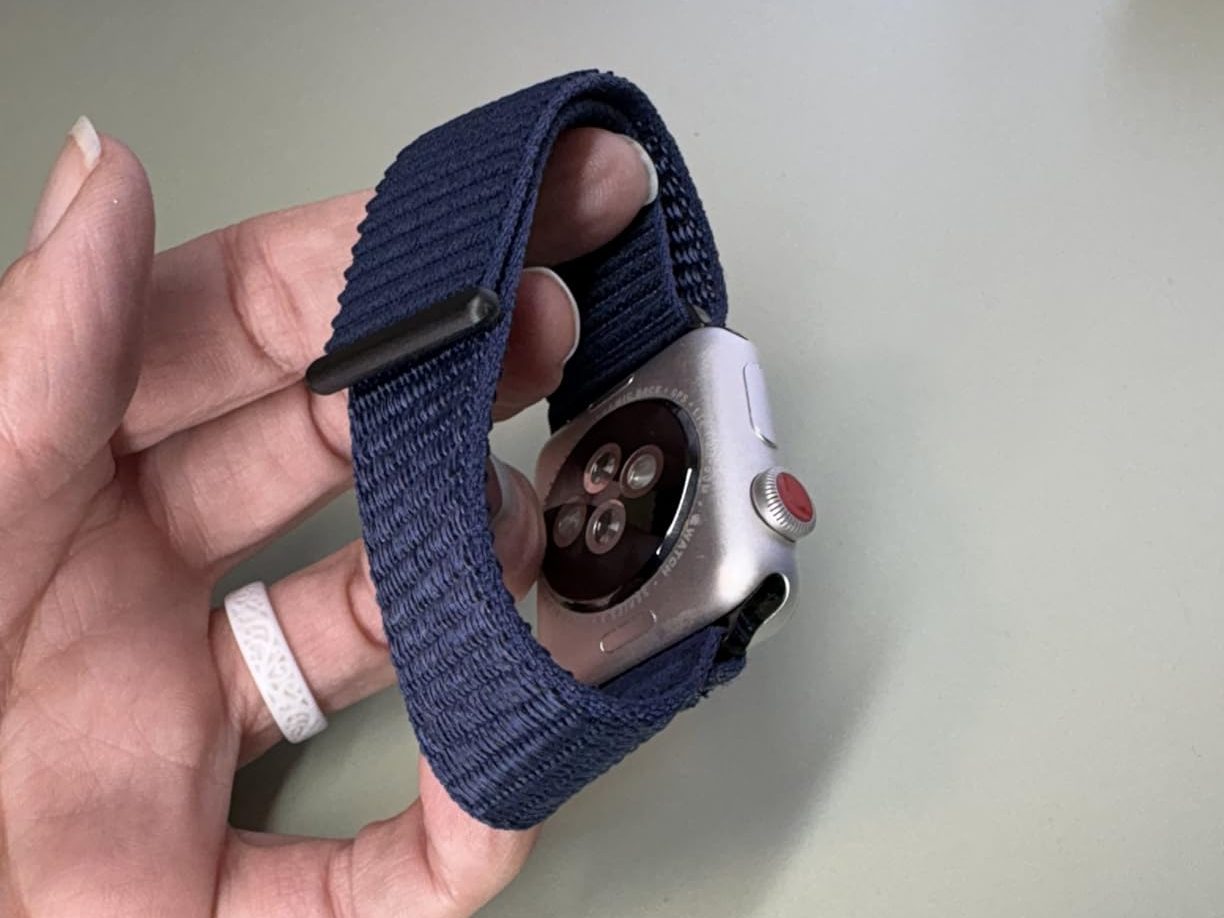
This has created a quiet tension between the device’s intended role as an all-day wearable and the reality that all-day comfort requires different materials depending on what the wearer is doing. The band that works for desk work doesn’t work for movement, and swapping them multiple times a day feels like friction Apple didn’t anticipate.
What’s notable is how normalized this behavior has become. Many Apple Watch users now keep multiple bands within reach—one for workouts, one for work, one for sleep tracking. The watch itself doesn’t distinguish between these contexts, but the wearer does, and the band becomes the variable that adjusts to shifting needs throughout the day.
The quick-release mechanism makes swapping easy, but it doesn’t make it effortless. It requires stopping what you’re doing, sliding the band out, sliding a new one in, and adjusting the fit. For people who change bands twice a day, this becomes a small recurring task that adds up over time. It’s not burdensome, but it’s also not frictionless, and it suggests that the watch’s promise of seamless all-day wear depends more on accessories than on the device itself.
SIMILAR
iPhone and MacBook users are compensating for a port problem Apple created
iPhone users are eliminating the tangled cable from every car charging session
iPhone users are transforming nightstands into silent charging infrastructure
Material choice has also become more deliberate. Elastic sport loops that stretch and breathe have grown more popular not because they look better but because they accommodate wrist swelling during exercise and tighten naturally when the body cools down. Traditional sport bands with pin closures require manual adjustment, and over the course of a workout, that adjustment can feel one step too slow. The stretchy alternative eliminates that delay, which matters more during high-intensity activity than Apple’s original band lineup seemed to acknowledge.
What this reflects is a broader shift in how the Apple Watch is worn. It’s no longer just a device strapped to a wrist—it’s a device whose comfort and function depend heavily on which band is attached at any given moment. Apple designed the watch to be versatile, but that versatility relies on users actively managing their band collection rather than settling into one option that works everywhere.
Elastic sport bands designed for Apple Watch, available in multiple sizes and colors with breathable weave construction, are widely available around $10, reflecting a market where band rotation has shifted from optional personalization to practical necessity for users moving between different daily contexts.
"Note: Readers like you help support The Apple Tech. We may receive a affiliate commission when you purchase products mentioned on our website."