
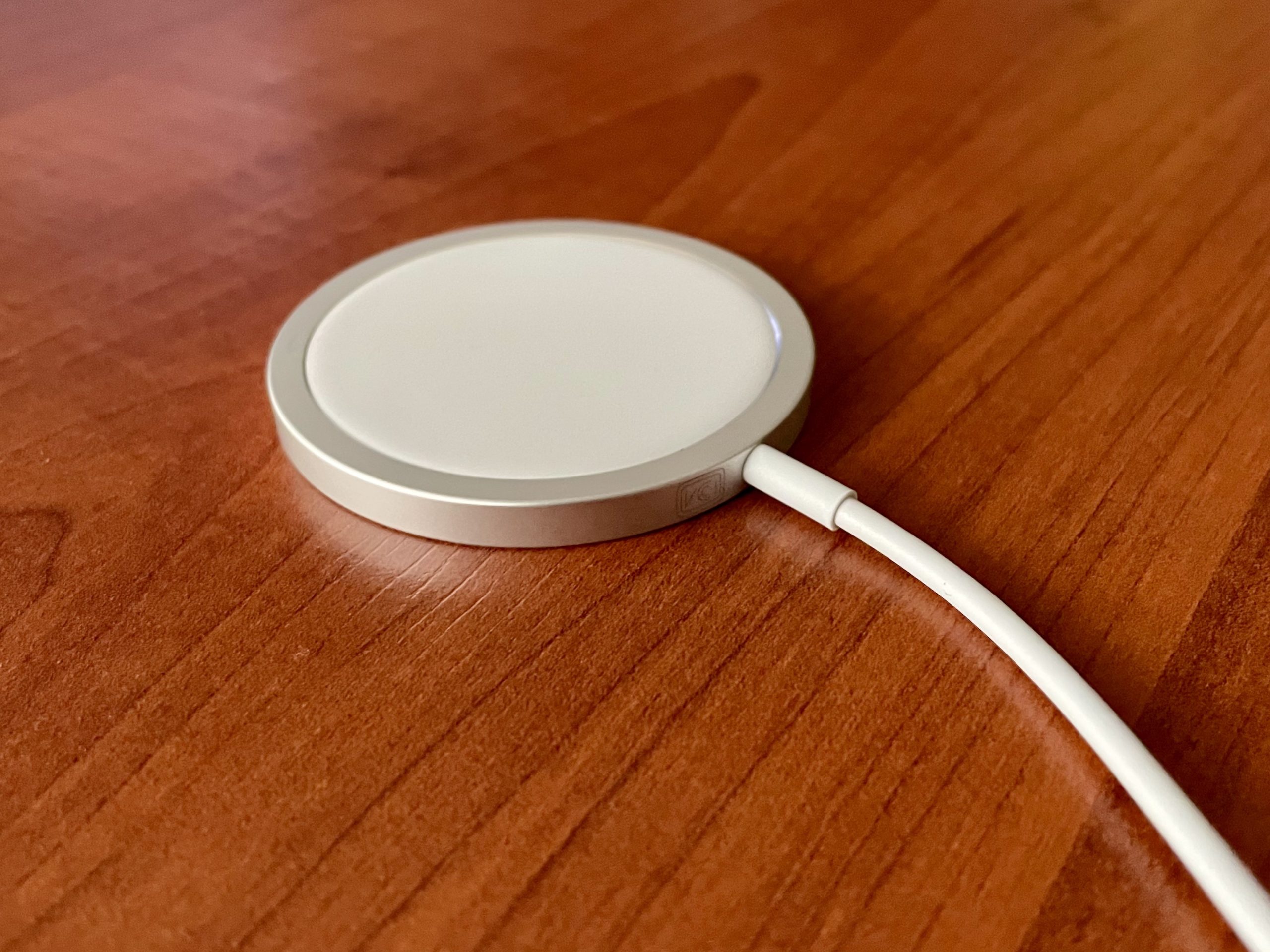
A behavioral change is appearing in how people initiate charging throughout the day. The deliberate act of inserting a cable—checking orientation, ensuring connection, verifying the charging indicator—is being replaced by magnetic placement that removes most of that verification sequence.
The pattern reflects accumulated frustration with the small failures that happen when cables don’t seat properly. A phone placed on a nightstand with a cable loosely connected won’t charge, and discovering that fact in the morning creates a specific kind of friction that repeats until people design around it.
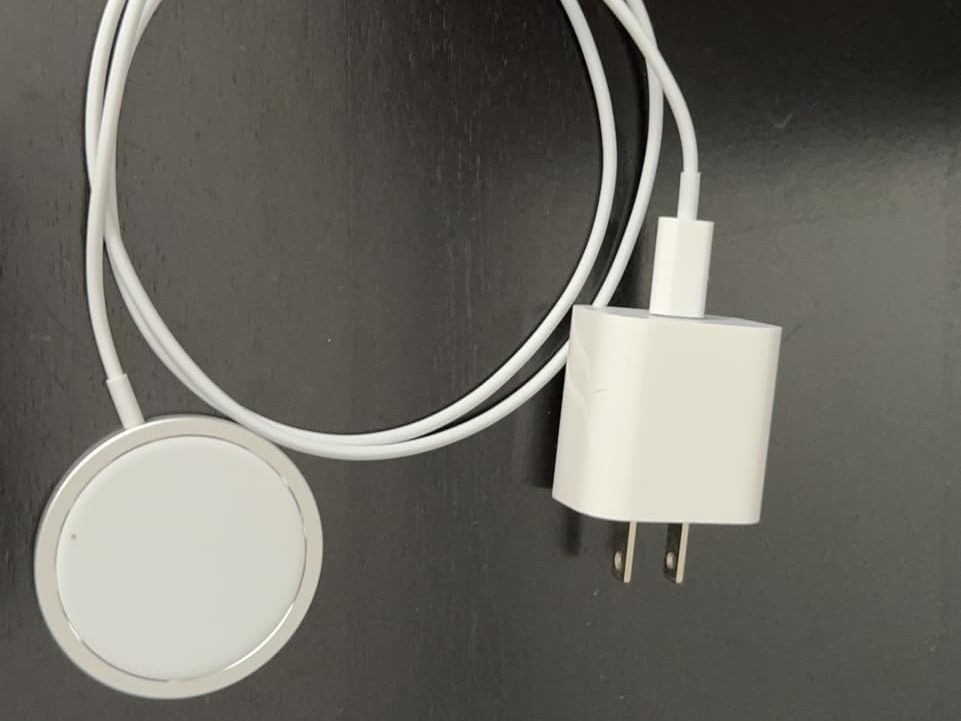
For iPhone users, magnetic charging eliminates the ambiguity. The snap of magnetic contact provides immediate tactile confirmation that power transfer has begun. There’s no need to check the screen or wait for a charging sound—the physical feedback is sufficient, and that reduction in verification steps makes charging feel more reliable even when the underlying power delivery is identical.
The adaptation is most visible in spaces where people charge repeatedly throughout the day. Desk surfaces, kitchen counters, and car interiors become locations where phones land briefly to top off battery levels. Magnetic alignment makes these micro-charging sessions viable because they don’t require conscious attention to cable positioning.
SIMILAR
iPhone and MacBook users are compensating for a port problem Apple created
iPhone users are eliminating the tangled cable from every car charging session
iPhone users are transforming nightstands into silent charging infrastructure
Some users report that wireless charging changes where they’re willing to place their phones. Surfaces that were previously unsuitable because cables would dangle or create clutter can now accommodate charging infrastructure. The elimination of cable weight and stiffness opens up new spatial possibilities for where charging happens.
The behavior also reveals tension between Apple’s wireless vision and real-world usage patterns. MagSafe maintains a physical connection through magnets, which means it’s not truly wireless—it’s cable-free at the point of contact but still tethered to a power source. Yet that compromise seems to matter less than the elimination of insertion friction.
What’s emerging is a recognition that charging behavior is shaped as much by the ease of initiation as by the speed of power delivery. People will choose slightly slower charging if it means they can place their phone without thought and trust that charging will proceed without verification.
Previously listed around $39, current listings of these magnetic charging options for iPhone now appear closer to $32.
"Note: Readers like you help support The Apple Tech. We may receive a affiliate commission when you purchase products mentioned on our website."