
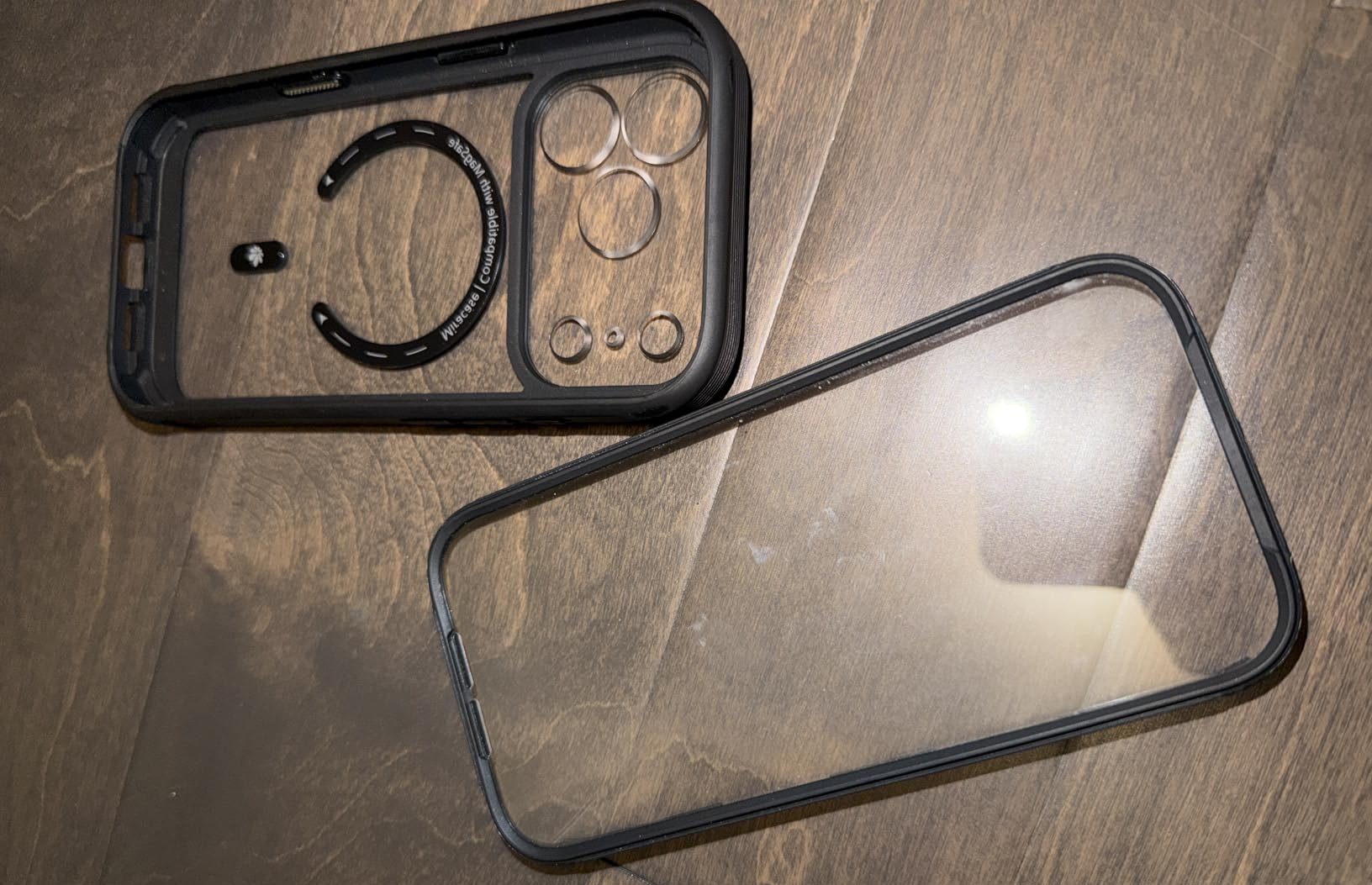
A full-body case with built-in screen protection represents a commitment. It adds thickness, blocks the feel of the device’s edges, and makes an iPhone slightly less elegant to hold. Yet the adoption rate suggests something has shifted in how users think about fragility.
The case isn’t protecting the phone from a single catastrophic drop—it’s protecting it from the accumulation of small, unnoticed impacts. Corner bumps. Pocket scrapes. Surface scratches that appear without clear origin. Over time, those micro-events have become harder to ignore.
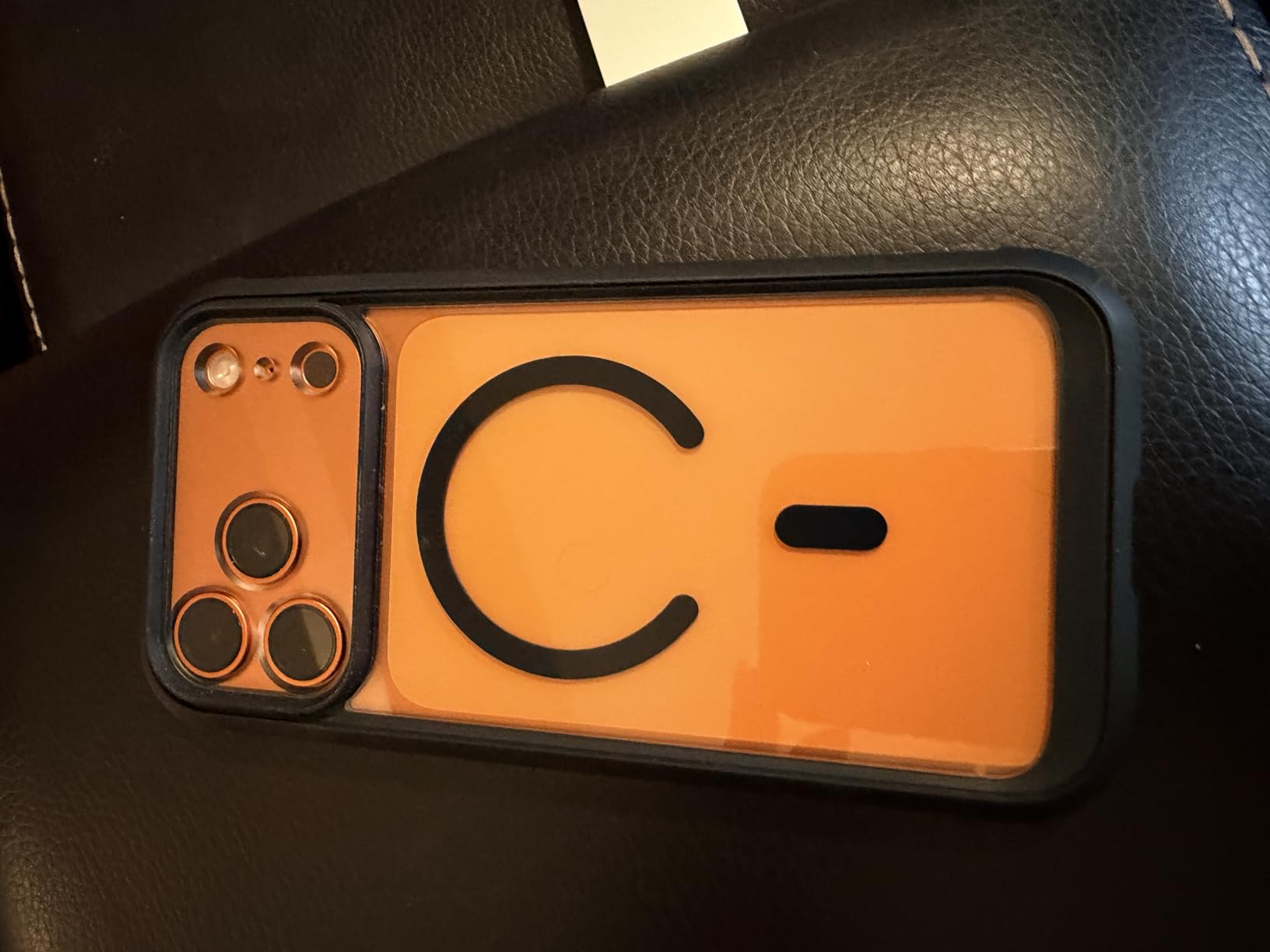
MagSafe compatibility has made bulkier cases more acceptable. The magnetic alignment still works through the extra material, which means users don’t have to choose between protection and wireless charging. That removed a previous tradeoff.
Apple’s design language has always leaned toward thinness, toward the sensation of holding something refined. But as iPhone prices have climbed, the calculus around protection has changed. A cracked screen isn’t just an inconvenience—it’s a repair cost that rivals the monthly payment on the device itself.
SIMILAR
Why iPhone users are carrying standalone noise machines instead of relying on sleep apps
Apple Watch charging became a bedside ritual, here's why the placement matters more than expected
iPhone users are quietly giving up the cable and most dont realize why it happened so gradually over time
The built-in screen protector eliminates a separate purchasing decision. Users no longer have to visit a store, watch someone apply a film, or attempt the alignment themselves. The protection is pre-integrated, which has made it feel less like an afterthought and more like part of the device.
For some iPhone users, the case has become a way to extend the life of the phone beyond the typical two-year cycle. It’s not about resale value. It’s about avoiding the moment when a minor accident forces an upgrade.
The behavior isn’t universal, but it’s visible enough to suggest a recalibration. When a device feels expensive to replace, the instinct to shield it intensifies.
Previously listed around $22, current listings now hover closer to $17.
"Note: Readers like you help support The Apple Tech. We may receive a affiliate commission when you purchase products mentioned on our website."