

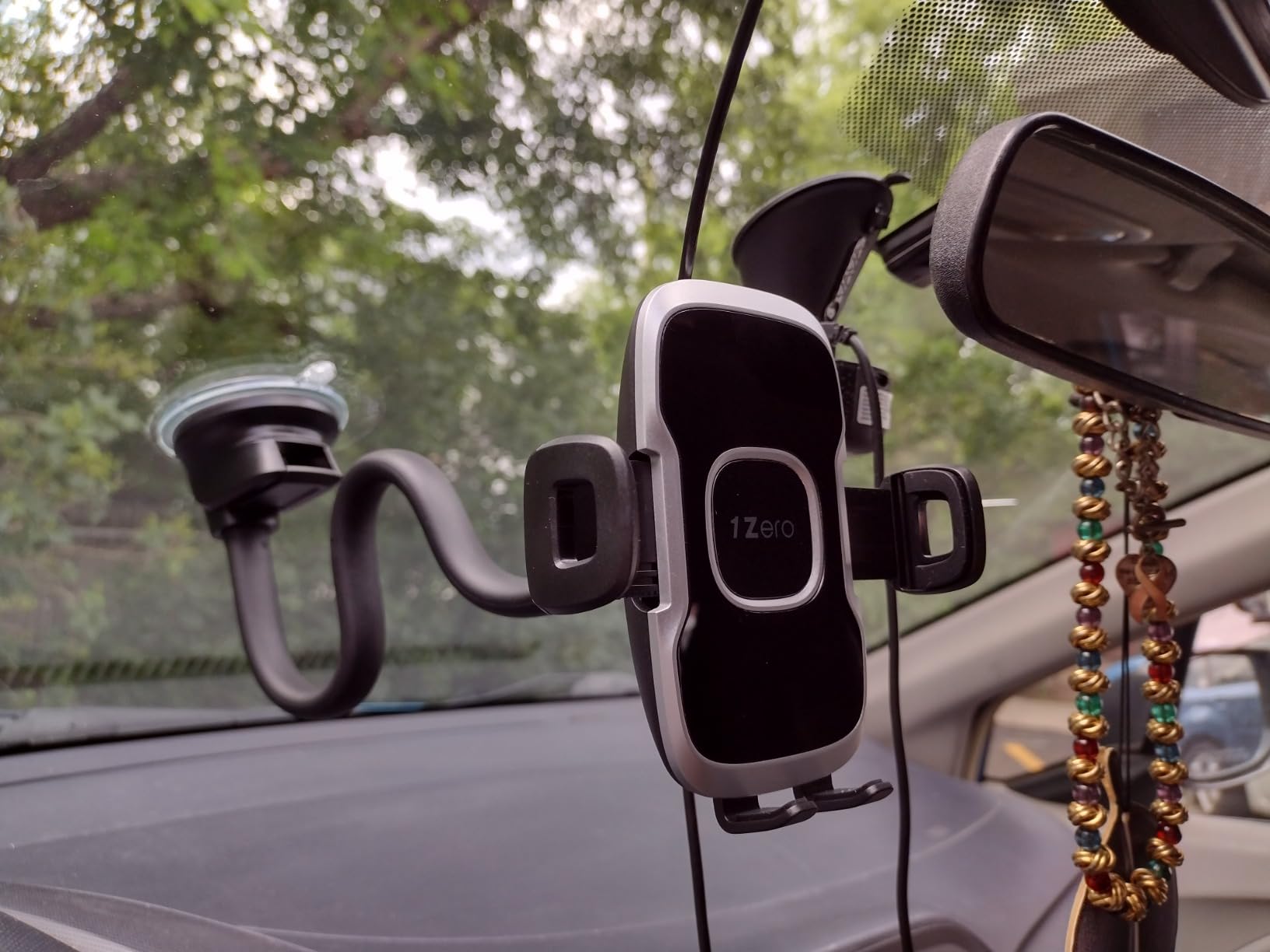
Dashboard design hasn’t kept pace with smartphone navigation. Vents are inconsistent, cup holders are occupied, and the built-in infotainment systems that promised to integrate everything remain clunky enough that most people still prefer their phone’s navigation interface.
The result is a sprawling market of mounting solutions, each trying to solve the same problem: get the iPhone into the driver’s sightline without obstructing it, keep it stable through turns and rough roads, and make it accessible enough that route adjustments don’t require pulling over.
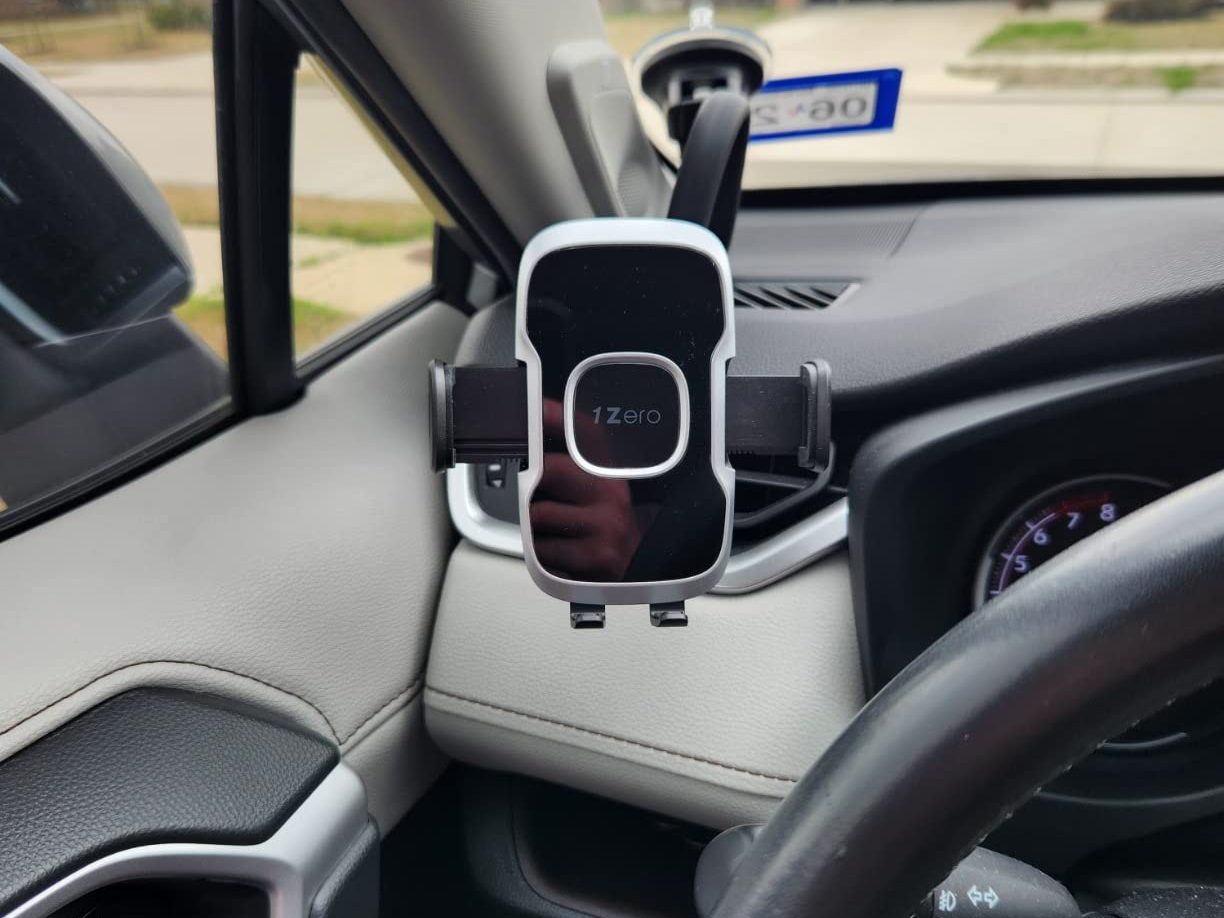
Windshield mounts with long, flexible arms have emerged as the most common compromise. They bypass the dashboard entirely, using suction against glass to create an anchor point that can swing the phone into nearly any position the driver needs. The flexibility matters more than it seems—vehicles vary wildly in dash layout, and what works in a sedan fails completely in a truck.
The behavioral tells are small but revealing. Drivers adjust the arm height to keep the phone just below their natural eyeline, close enough to glance at turn-by-turn directions without dropping attention from the road. The mount becomes invisible infrastructure, noticed only when it fails—a suction cup that releases, an arm that won’t hold position, a grip that can’t accommodate a phone in a thick case.
SIMILAR
iPhone and MacBook users are compensating for a port problem Apple created
iPhone users are eliminating the tangled cable from every car charging session
iPhone users are transforming nightstands into silent charging infrastructure
Stability is the actual product being purchased. The phone needs to stay exactly where it’s placed despite acceleration, braking, potholes, and the general chaos of everyday driving. Too much flex and the screen becomes unreadable. Too rigid and the whole assembly works loose from the windshield.
These mounts cluster in the fifteen to twenty-five dollar range, with the more robust variants using industrial-grade suction cups and reinforced joints to handle larger phones and rougher conditions. Previously listed at $19.99, current listings hover around $14.23 for models with extended reach and anti-shake stabilization.
The shift isn’t dramatic. It’s just another small reconfiguration of space, this time inside vehicles, to accommodate the reality that iPhone navigation has replaced every other option.
"Note: Readers like you help support The Apple Tech. We may receive a affiliate commission when you purchase products mentioned on our website."






