
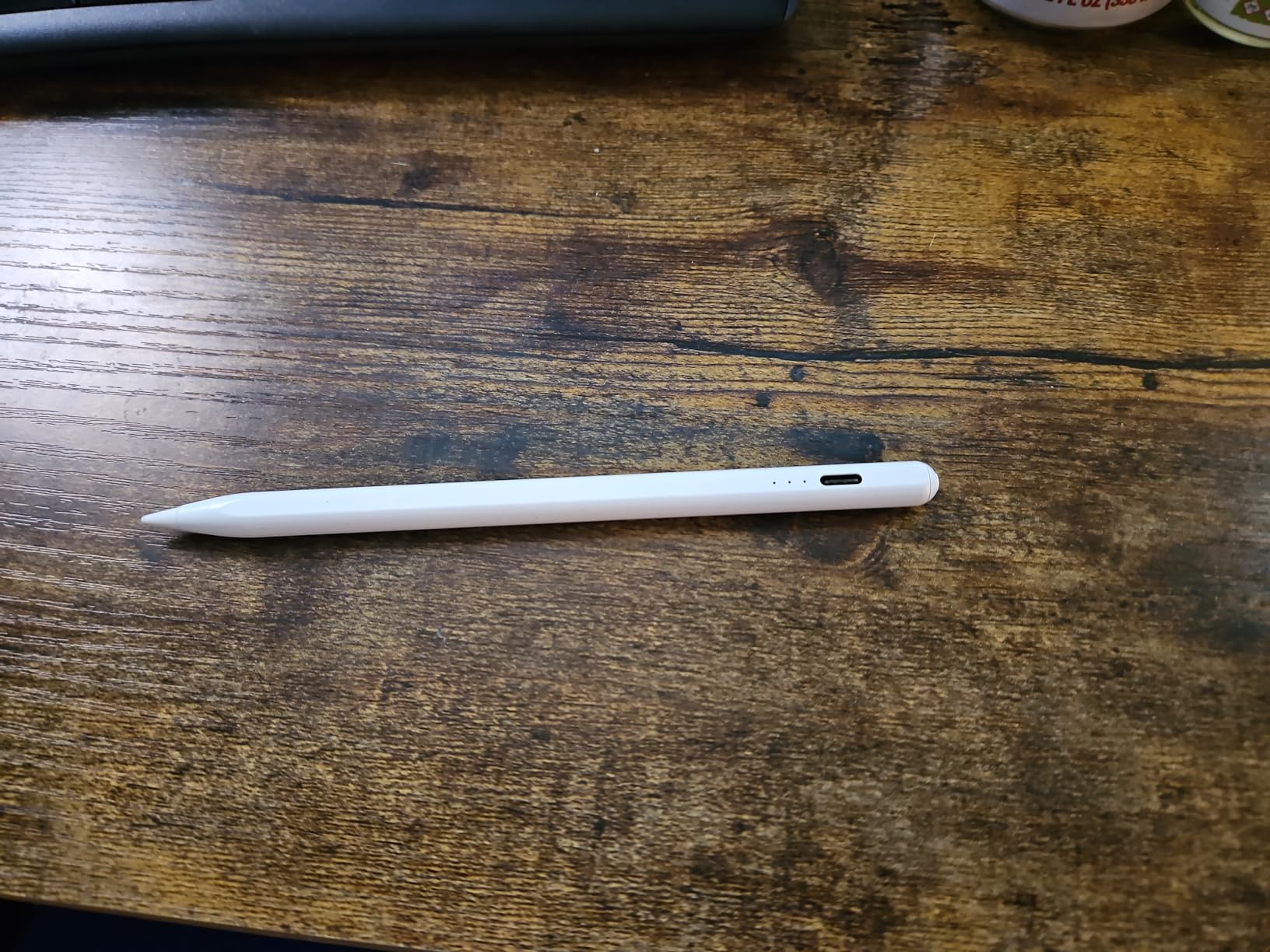
Digital handwriting never quite replaced notebooks for most people, despite decades of tablet stylus technology. The tools existed, the software improved, but the habit never stuck broadly. Interviews with iPad users reveal a consistent pattern: styluses bought with good intentions, used briefly, then abandoned in drawers when they ran out of power at inconvenient moments.
The charging model was the quiet killer. Early styluses required proprietary charging methods—special cables, magnetic connectors, awkward cap removal to access ports. The ritual added friction to a tool that was meant to reduce it. By the time someone remembered to charge the stylus, the meeting or lecture had already happened, and they’d fallen back to keyboard typing or paper notes.
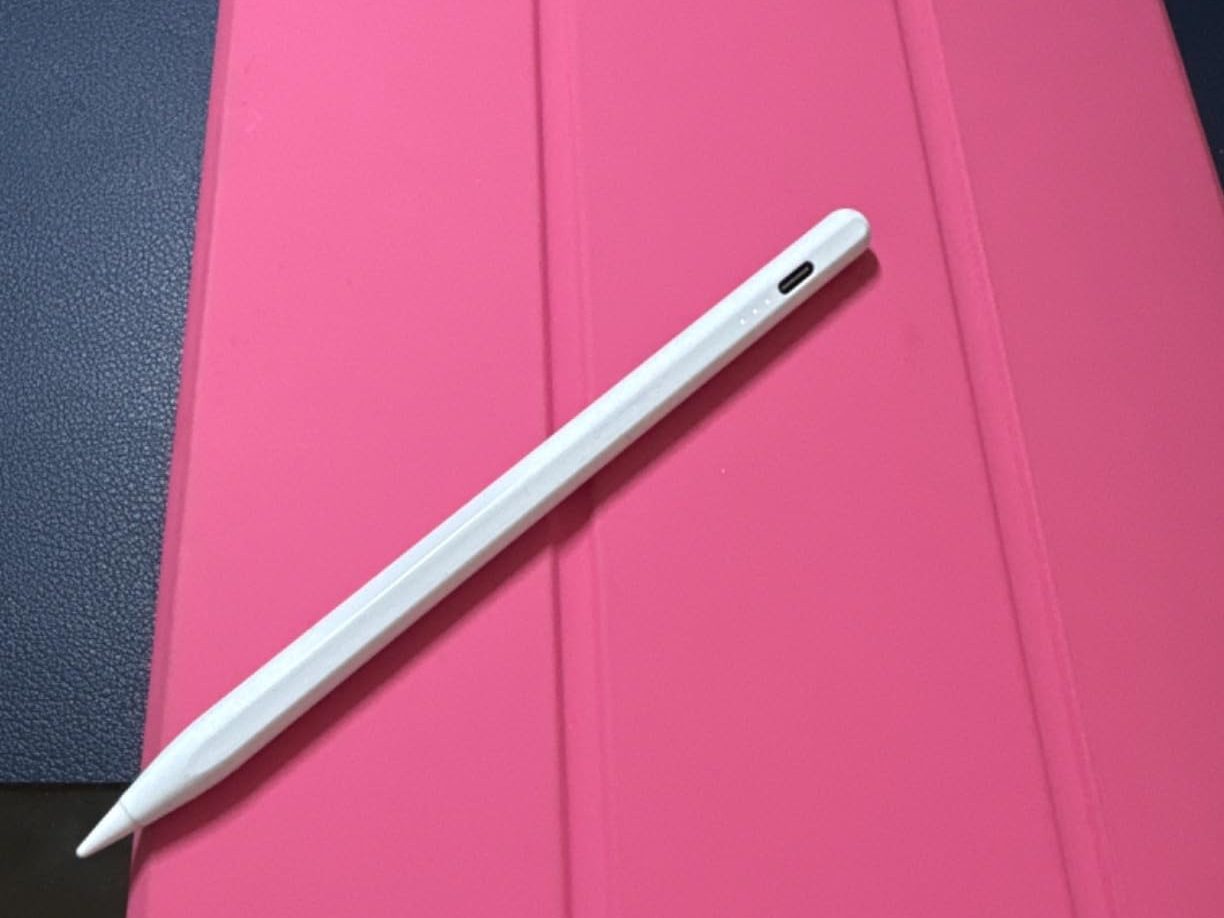
Faster charging protocols changed the temporal equation. A stylus that can reach usable charge levels in minutes rather than hours transforms from a device that needs overnight planning into something that can recover during a coffee break. The psychological shift matters: dead battery becomes minor inconvenience rather than session-ending failure.
Palm rejection and tilt sensitivity represent the technical evolution, but they address problems users were already willing to tolerate. The real behavioral unlock was removing the planning horizon. When a stylus can charge quickly enough to fit into existing routines, it stops being special equipment that requires dedicated attention and becomes a tool that’s just available.
SIMILAR
iPhone and MacBook users are compensating for a port problem Apple created
iPhone users are eliminating the tangled cable from every car charging session
iPhone users are transforming nightstands into silent charging infrastructure
Students and remote workers report similar patterns: the stylus stays in use once charging anxiety disappears. Handwritten notes return for certain tasks—sketching diagrams during video calls, annotating PDFs during document review, working through problems that benefit from non-linear thinking.
The iPad compatibility span is revealing. Supporting everything from 2018 models through current-generation devices means the stylus works across the installed base rather than requiring hardware upgrades. The friction removal is available to users who’ve owned their iPads for years.
These styluses typically range from ten to twenty dollars, positioning them well below Apple’s own Pencil while maintaining compatibility with recent charging standards. Previously listed at $15.99, current listings hover around $9.98 for variants supporting rapid charging.
The shift isn’t revolutionary—it’s the removal of small obstacles that were quietly preventing a behavior from taking hold.
"Note: Readers like you help support The Apple Tech. We may receive a affiliate commission when you purchase products mentioned on our website."