

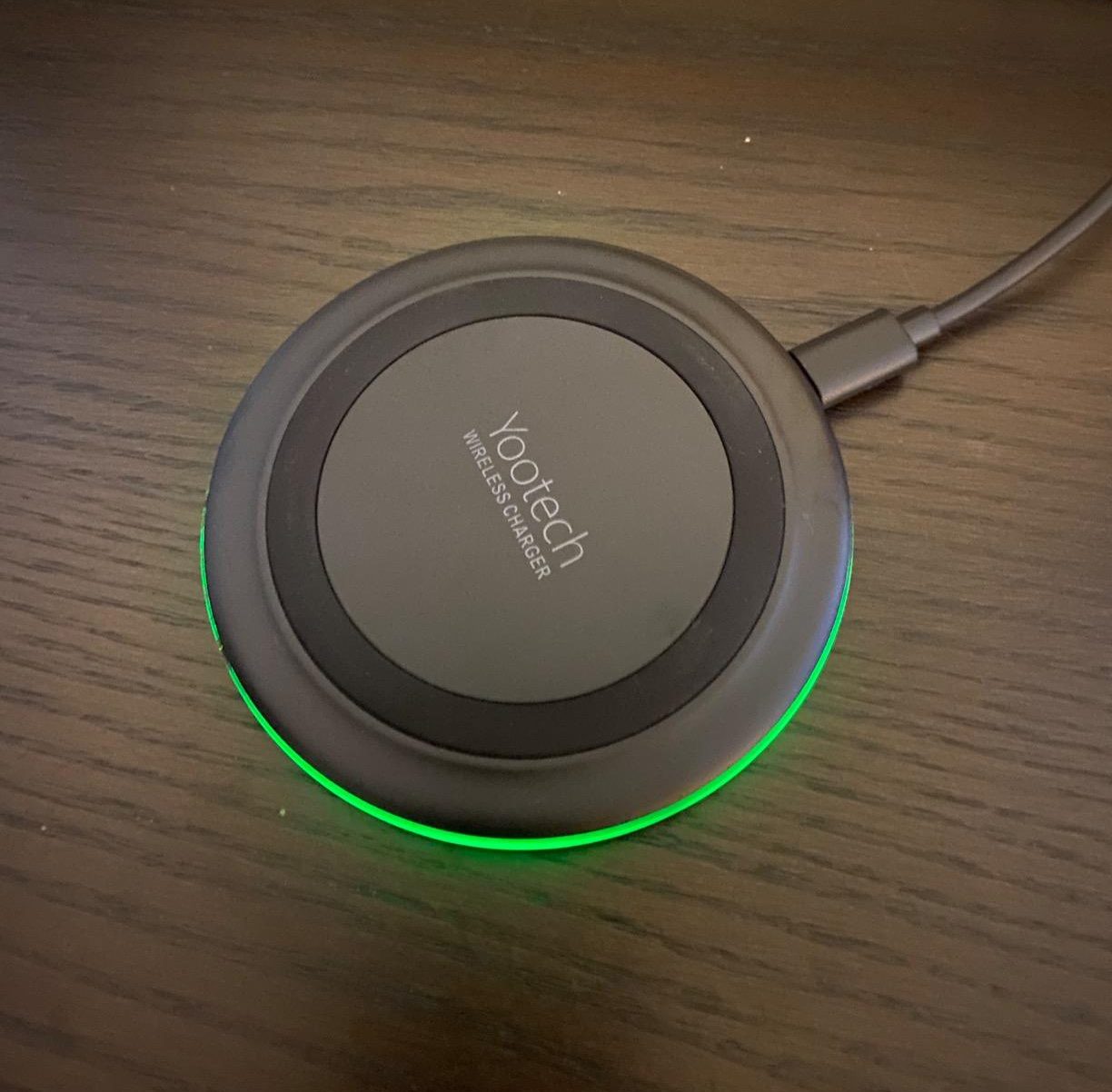
Wireless charging pads establish territory. Once placed, they rarely move—they’re too dependent on specific outlet locations and too purpose-built to migrate around a home. They become fixtures, and in becoming fixtures, they define where phones belong.
The behavioral consequence is spatial habit formation. A charging pad on a nightstand means the phone goes on the nightstand. A pad on a desk means the phone has a desk home. The designated spot removes the micro-decision of where to put the device down, which sounds trivial until you consider how many times per day that decision happens.
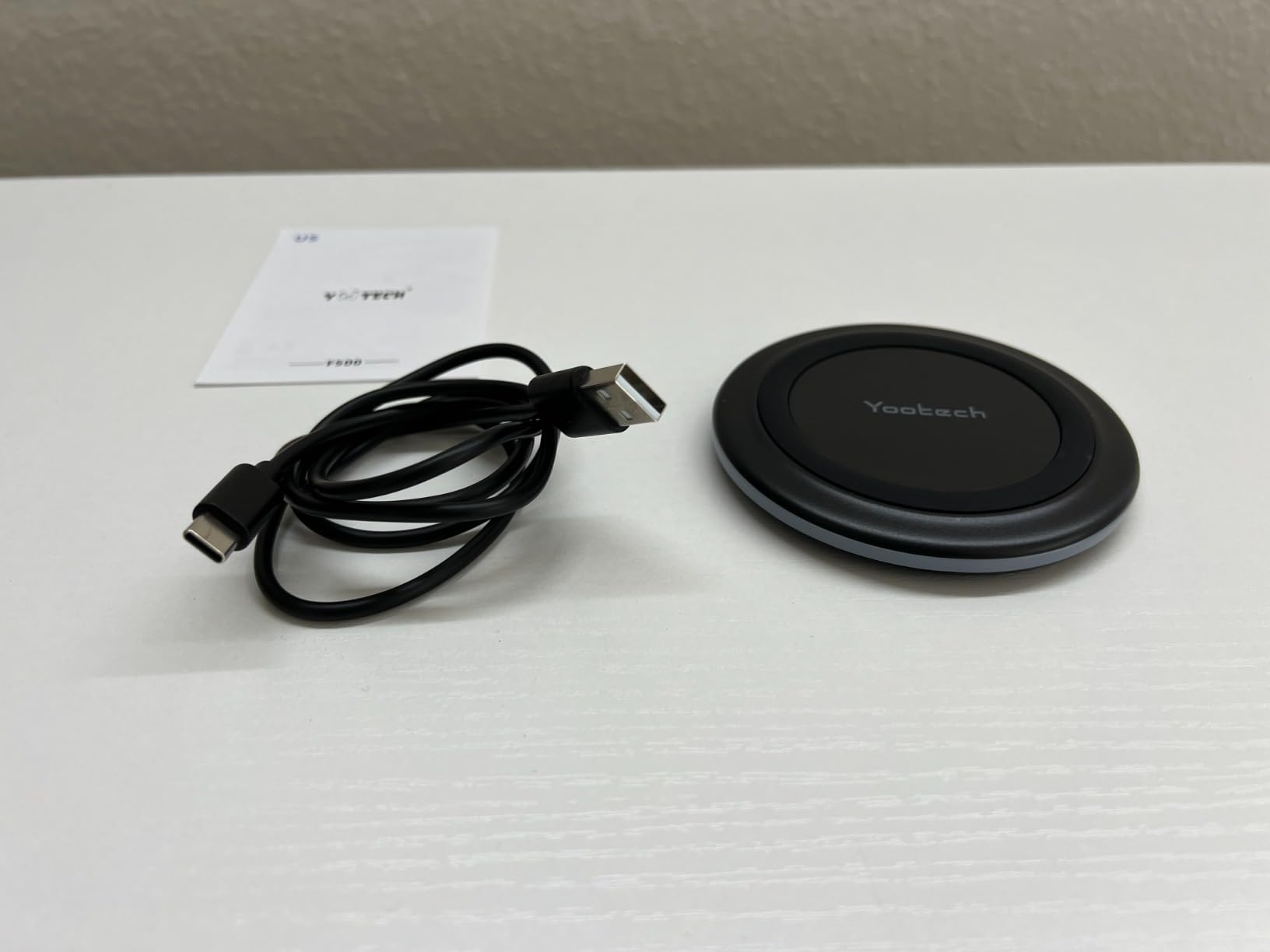
Families with multiple iPhone users report an unexpected benefit: the pads create implicit ownership zones. Each phone has its pad, each pad has its location, and the system self-organizes without requiring explicit rules or labels. The spatial division prevents the morning chaos of “whose phone is this?” when devices look identical.
The charging method itself is less efficient than wired connections—energy transfer through induction loses more power to heat than direct contact—but efficiency wasn’t the friction point being solved. The friction was the physical act of plugging and unplugging, the cable wear that comes with daily connection cycles, the fumbling in the dark.
SIMILAR
iPhone and MacBook users are compensating for a port problem Apple created
iPhone users are eliminating the tangled cable from every car charging session
iPhone users are transforming nightstands into silent charging infrastructure
Wireless charging works through most phone cases, which eliminates another small decision point. The phone stays protected without requiring case removal to charge. The action collapses to a single motion: place phone on pad. The simplicity compounds across daily repetition.
Compatibility spans recent iPhone generations and extends to AirPods cases, creating infrastructure that serves multiple devices from the same manufacturer. The ecosystem lock-in is gentle but present—the pad becomes more valuable the more Apple devices someone owns.
These charging pads typically range from ten to twenty-five dollars, though pricing varies significantly based on charging speed and build materials. Previously listed at $19.99, current listings hover around $9.99 for variants supporting ten-watt maximum delivery.
The real product being purchased isn’t power transfer technology—it’s a designated spot where phones can rest.
"Note: Readers like you help support The Apple Tech. We may receive a affiliate commission when you purchase products mentioned on our website."



