

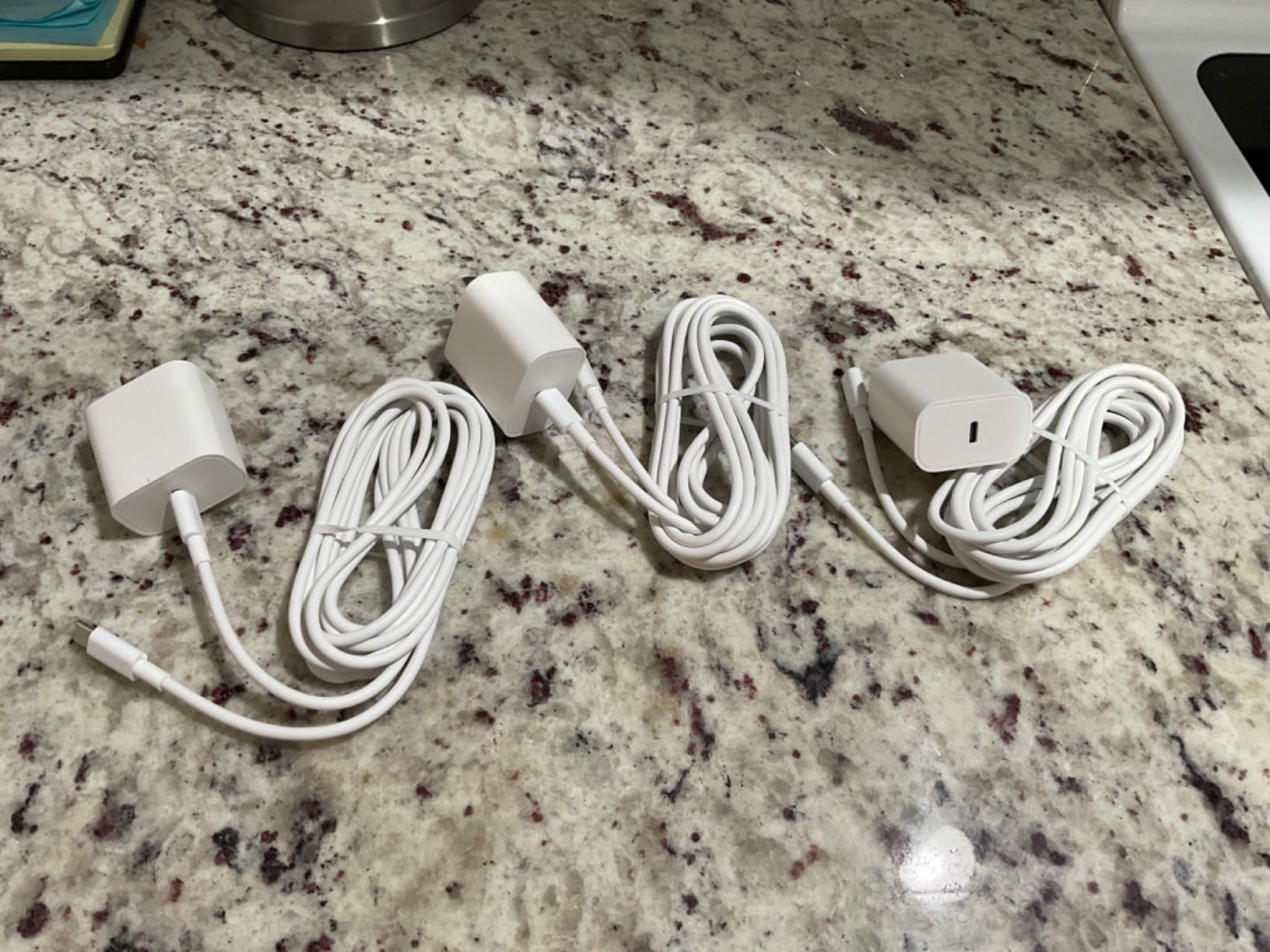
Cable length never seemed like a meaningful specification until people started working from places other than desks. A three-foot cable worked fine when the outlet was directly behind a monitor, but it became restrictive the moment someone wanted to use an iPad on a sofa with the charger plugged into a wall six feet away. The six-foot standard emerged not from technical necessity but from the geometries of living rooms and bedrooms repurposed as workspaces.
The behavior change was pandemic-adjacent but not pandemic-caused. People had been using iPads on couches for years, but the expectation that the device could replace a laptop for extended work sessions made charging during use a more frequent scenario. A dead iPad meant stopping work, not just pausing entertainment. The cable length determined whether someone could keep working or had to relocate to wherever the outlet was.
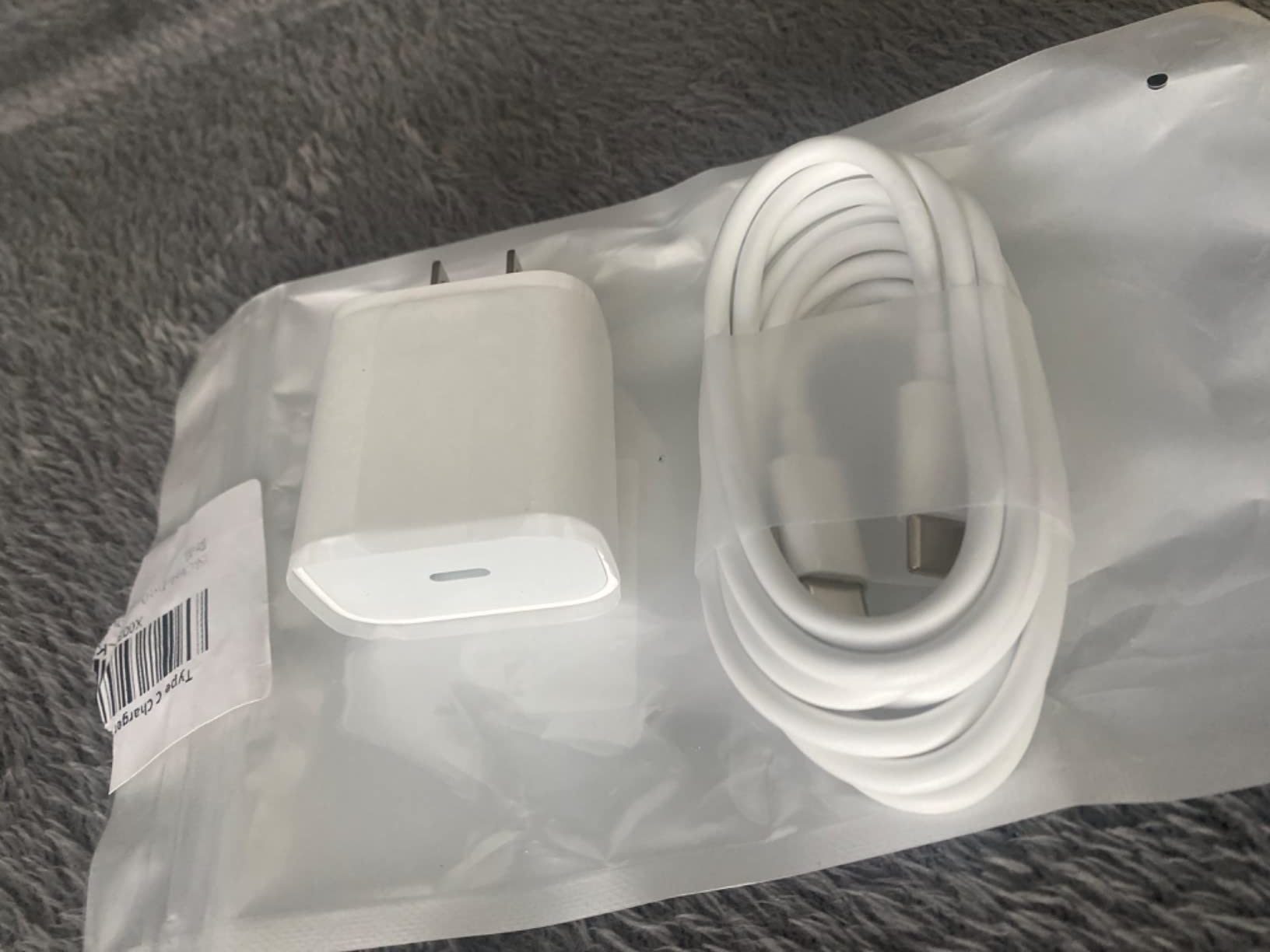
Fast charging mattered more for tablets than for phones, though the reasons were different. A phone could charge overnight and survive the next day; an iPad used for video calls, note-taking, and media consumption might need a mid-day boost. The speed at which the battery recovered during a lunch break or between meetings became part of the device’s practical utility. A slow charge meant planning around power; a fast charge meant not thinking about it.
The Apple ecosystem’s USB-C transition created a window where cable compatibility became genuinely confusing. Older iPads used Lightning, newer ones used USB-C, and the cables weren’t interchangeable. Households with multiple devices often had a tangle of cables that looked similar but didn’t work with every device. The shift simplified things eventually, but the transition period left people buying cables they didn’t need or keeping old ones they couldn’t quite throw away.
SIMILAR
iPhone and MacBook users are compensating for a port problem Apple created
iPhone users are eliminating the tangled cable from every car charging session
iPhone users are transforming nightstands into silent charging infrastructure
Wall adapters and cables became separated in people’s mental models. The adapter was the thing that determined charging speed; the cable was the thing that determined convenience. A fast adapter with a short cable was frustrating. A long cable with a weak adapter was pointless. The combination mattered more than either piece individually, but they were almost always sold and thought about separately.
Durability has become a recurring tension. A cable that frays near the connector after six months feels like a design failure, but it’s common enough that people expect it. Some users loop cables loosely and store them carefully; others coil them tightly and shove them into bags. The cable’s lifespan often depends more on handling than on build quality, but that doesn’t stop people from blaming the cable.
Pricing reflects how commoditized the category has become. Previously listed at $18.99, current listings hover around $15.18. That’s low enough that replacing a cable feels routine rather than annoying, but high enough that people don’t buy them casually. The cost is in the range where it’s not worth spending time researching alternatives—if it works, it’s fine.
The six-foot length has become so standard that shorter cables now feel noticeably limiting. People have adjusted their spatial habits around that distance. They know instinctively whether a given seating position will work with the cable they have. The measurement has become an invisible infrastructure, the kind of thing that only becomes visible when it’s absent.
"Note: Readers like you help support The Apple Tech. We may receive a affiliate commission when you purchase products mentioned on our website."






