

Apple’s transition to USB-C was supposed to end the cable wars. One port across iPhone, iPad, MacBook—universal compatibility, universal charging. But inside cars, where devices charge during transit and cables live in door pockets or center consoles, the reality is messier.
The problem isn’t the standard itself. It’s the proliferation of contexts where charging happens. A driver might start the day with just an iPhone, requiring a USB-C cable. By afternoon, they’re shuttling a teenager with an iPad, a laptop for a coffee shop work session, and AirPods that also need topping off. Each device expects fast charging. Each device expects the cable to be there, ready, without negotiation.
But cables don’t stay in cars. They migrate. They get borrowed, forgotten in backpacks, left plugged into bedroom outlets. The driver who assumed the USB-C cable would be in the center console discovers, five minutes into a forty-minute drive with Maps draining the battery at 8% per ten minutes, that it’s not.
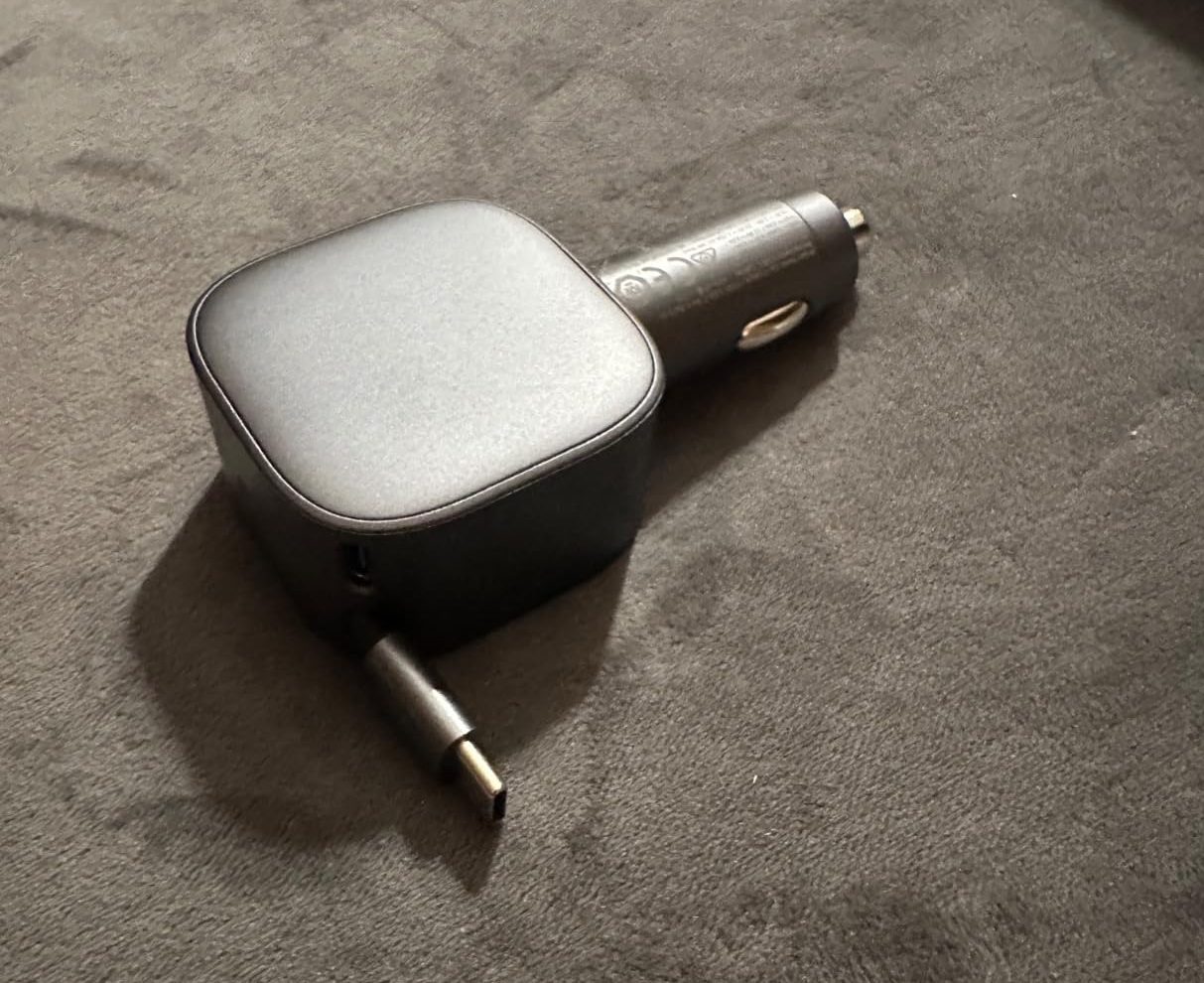
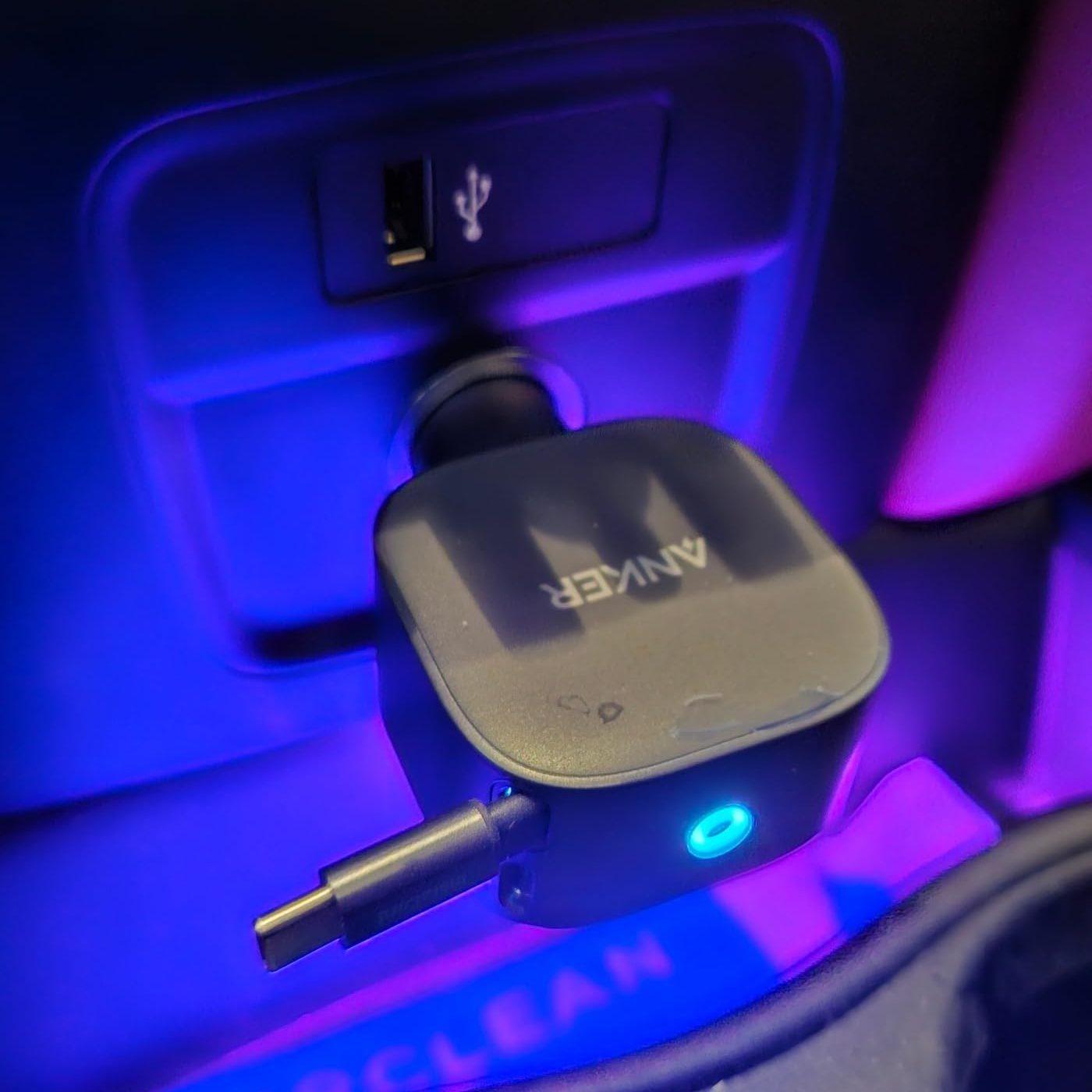
What’s emerged as a workaround is the retractable built-in cable—a charging setup where the cable lives permanently in the car, coiled inside the adapter itself, extending only when needed and retracting when done. It’s a hedge against the cable’s tendency to wander. The cable becomes infrastructure, not accessory.
SIMILAR
iPhone and MacBook users are compensating for a port problem Apple created
iPhone users are eliminating the tangled cable from every car charging session
iPhone users are transforming nightstands into silent charging infrastructure
This shift reveals something deeper about Apple’s ecosystem: it assumes users operate in stable environments where charging gear stays put. But cars are unstable environments. They’re shared. They’re borrowed. They’re rented. The assumption that a cable will be there when needed breaks down the moment multiple people, multiple devices, or multiple trips disrupt the pattern.
The pre-drive cable check has become muscle memory for a subset of iPhone users—a quick glance at the center console to confirm the cable is present before putting the car in drive. It’s a small ritual, but its existence points to a larger failure: the ecosystem hasn’t solved for transience. It’s optimized for permanence, and cars are anything but permanent.
Fast charging adds another layer. A cable that works isn’t enough—it has to deliver enough wattage to actually charge the device while it’s in use. Navigation, music streaming, and screen-on time can drain an iPhone faster than a low-wattage cable can replenish it. The result is a net loss, where the phone stays plugged in for an entire trip and still ends with less battery than it started.
Previously listed at $39.99, current listings hover around $24.98. That pricing reflects the adapter’s status as a solution to a problem Apple created but didn’t solve: how to keep USB-C charging infrastructure stable in an environment where cables are inherently unstable.
The cable becomes the variable that determines whether the drive will be navigable, and forgetting it transforms a routine trip into a low-battery scramble. The retractable cable doesn’t eliminate that anxiety entirely, but it narrows the failure points to a single object that can’t wander off. For drivers juggling multiple devices across multiple trips, that reduction in chaos is worth the infrastructure investment.
"Note: Readers like you help support The Apple Tech. We may receive a affiliate commission when you purchase products mentioned on our website."