

The Apple Watch was never meant to be coddled. It’s a device strapped to the wrist, exposed to doorframes, countertops, gym equipment, and the constant low-level collisions that come with moving through the world. The sapphire crystal display on higher-end models was explicitly designed for this. So was the Ion-X glass on the aluminum versions. Yet the screen protector has become standard.
Not the rigid tempered glass kind that dominated early smartphone accessory culture, but something different: ultra-thin flexible film. Six sheets in a single package, replaced every few months. The film doesn’t promise invincibility. It promises invisibility. It sits flush against the curved edges of the watch face, bending with the display, almost imperceptible until it scratches or bubbles.
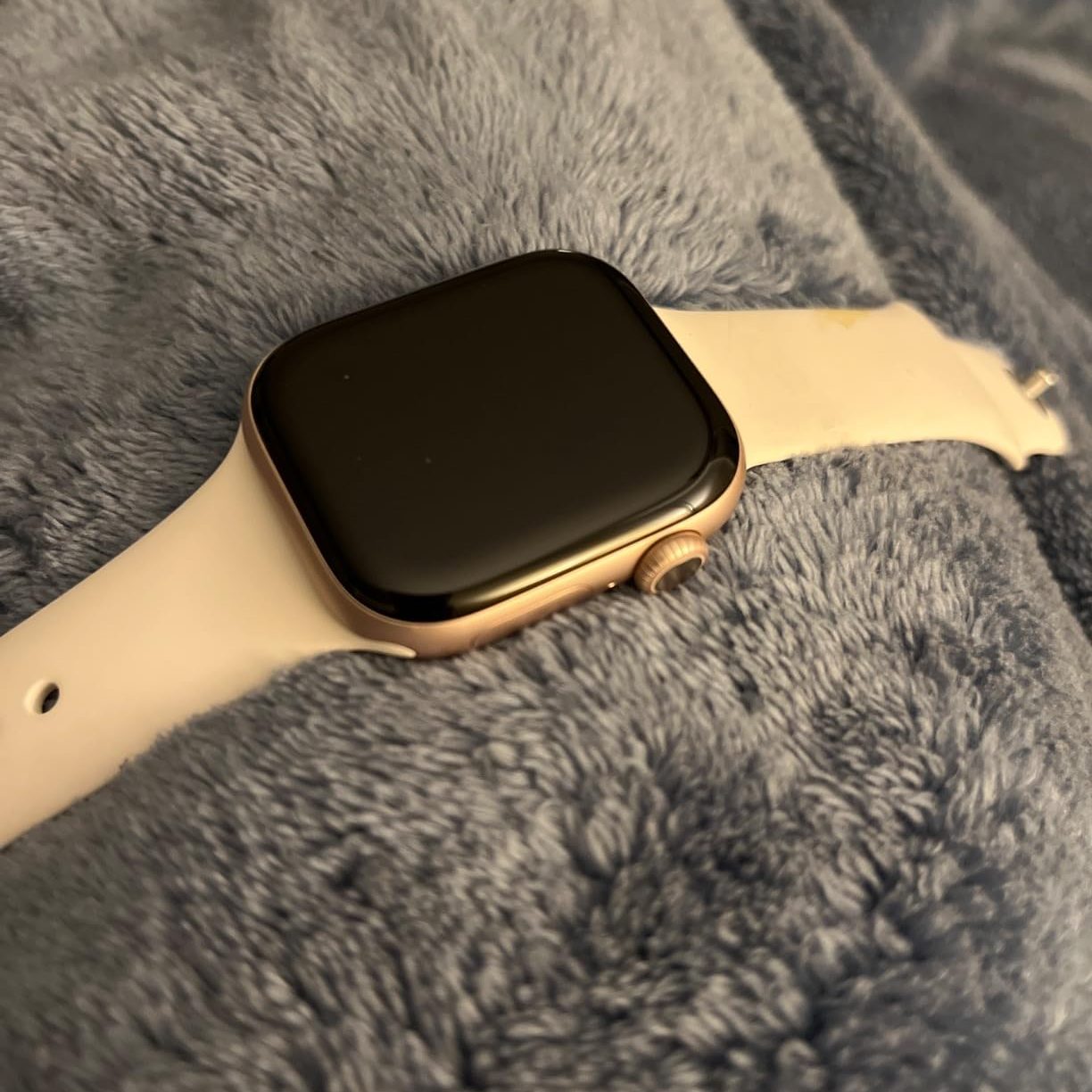
This isn’t about catastrophic damage. Most Apple Watch screens don’t shatter. They accumulate micro-abrasions. Hairline marks that catch the light at certain angles. Scuffs that don’t impair function but become impossible to unsee once noticed. The film intercepts those marks, taking the damage in place of the glass beneath.
What’s revealing is the psychology. The Apple Watch Series 4, 5, 6, and SE all share the same 44mm display size, and all were marketed with varying degrees of scratch resistance. But resistance isn’t immunity, and that gap is where the film protector lives. It’s a hedge against the one unlucky impact, the single moment of carelessness that leaves a permanent reminder.
There’s also an economic dimension. The watch itself is an investment, and resale value matters. A scratched screen diminishes trade-in offers, even if the device functions perfectly. The film becomes a kind of insurance policy, not against breakage, but against depreciation. It preserves the watch in the condition buyers expect when they encounter it secondhand.
The ritual of application matters too. Peeling off the backing, aligning the film with the edges, smoothing out bubbles with a card or fingertip. It’s a moment of care, a small act of maintenance that reinforces ownership. The watch isn’t just worn. It’s tended to.
Previously listed at $8.99, current listings hover around $7.19 for a six-pack. The price reflects commodification, but the behavior reflects something deeper: a mistrust of durability claims, or perhaps a recognition that durability is relative. The Apple Watch can withstand daily wear, but daily wear means something different to everyone. The film is the acknowledgment that no material is truly scratch-proof, and no marketing claim can account for every wrist, every routine, every accidental brush against a brick wall.
"Note: Readers like you help support The Apple Tech. We may receive a affiliate commission when you purchase products mentioned on our website."