
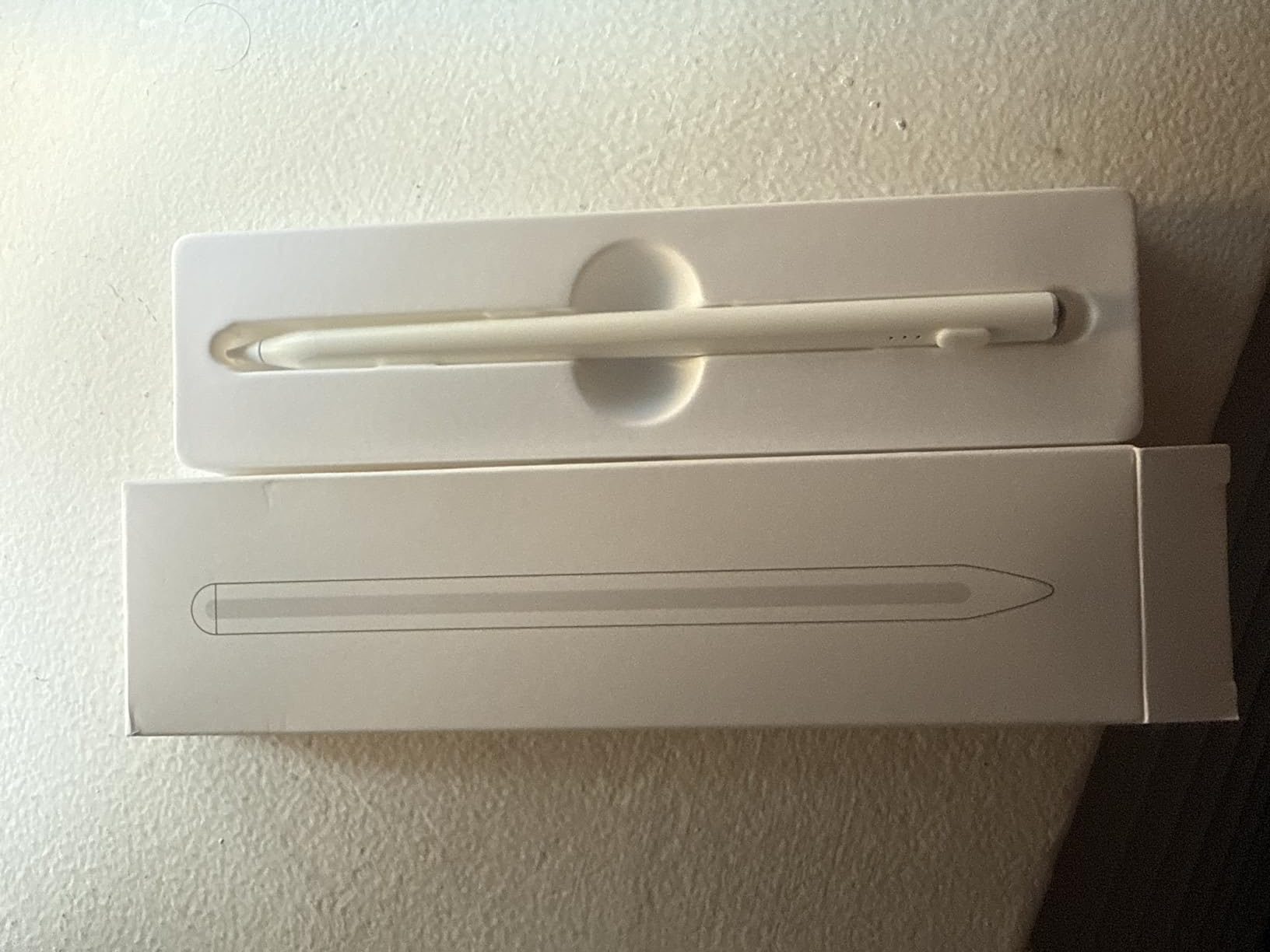
Thirteen minutes of charging for hours of writing felt like a tolerable interruption, but the need to charge at all remained an adjustment. Traditional pens don’t run out of power. They might run out of ink eventually, but the failure is gradual and predictable. Active styluses introduce a new anxiety: remembering to charge before the battery dies mid-lecture or mid-meeting.
Fast charging addresses this by compressing the charging window into something brief enough to fit into natural breaks. Thirteen minutes is a coffee refill, a bathroom break, a quick phone call. It’s short enough that running low on stylus battery stops being a session-ending problem and becomes a minor interruption.
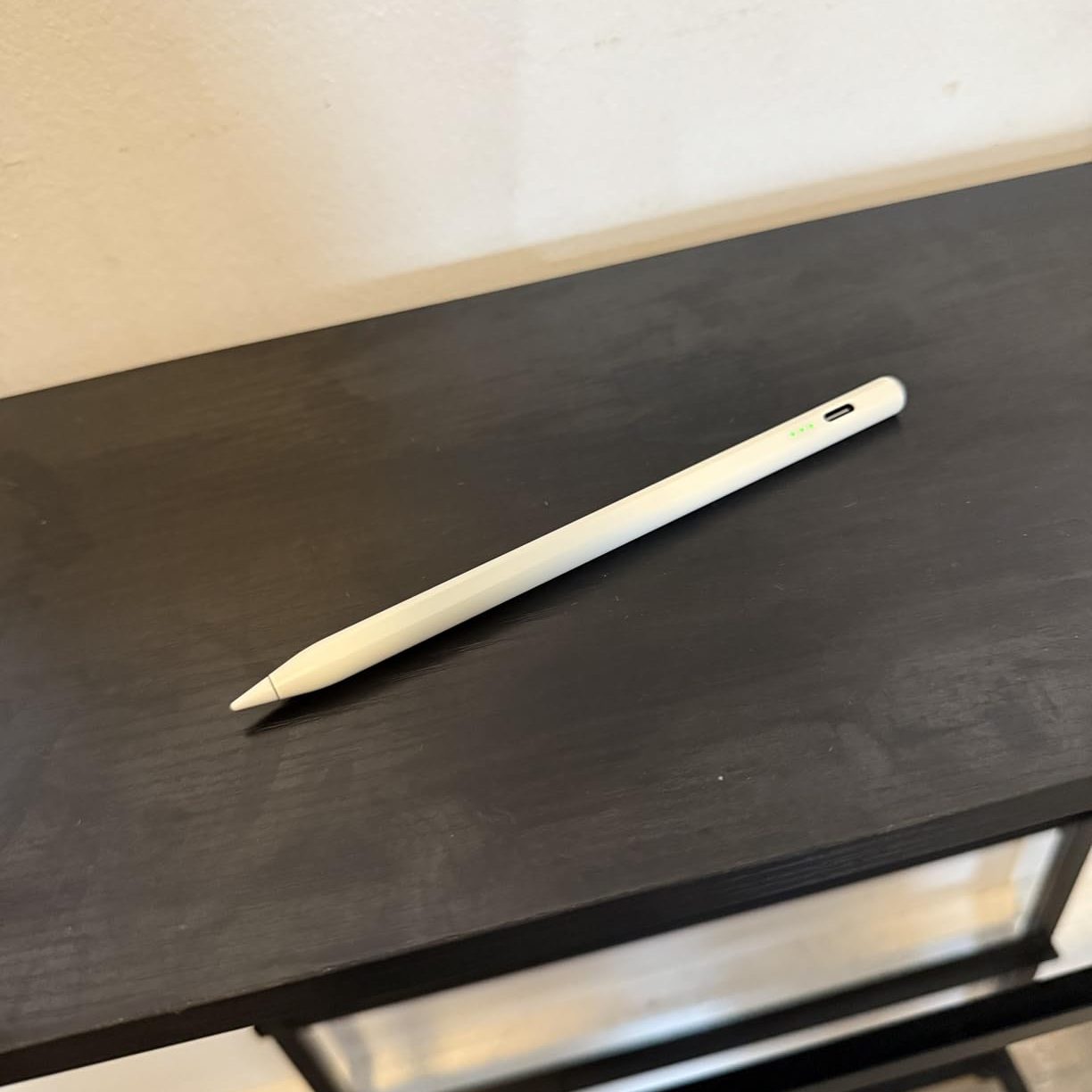
But this assumes you remember to charge, and you have access to a USB port when needed. Students moving between classrooms don’t always have charging opportunities at convenient moments. The stylus might die during a two-hour exam, or midway through taking notes in a lecture where pulling out a charging cable would be disruptive.
Tilt sensitivity and palm rejection represent table stakes rather than premium features in the current stylus market. Users who’ve adopted iPad as their primary note-taking device expect handwriting to feel natural, which means the stylus must respond to pressure and angle variations the way a real pen does. Palm rejection must work reliably, or the act of resting your hand on the screen while writing becomes an exercise in accidental mark-making.
What’s revealing is how broadly compatible these styluses are across iPad generations. The list spans from 2018 to 2025, covering iPad, iPad Air, iPad Pro, and iPad Mini in various configurations. This suggests Apple has maintained sufficient consistency in stylus input technology that third-party manufacturers can target a wide installed base rather than having to version their products for each iPad generation.
The shift to digital handwriting carries trade-offs that users navigate daily. Digital notes are searchable, syncable, and backed up automatically. But they require charged devices, compatible styluses, and screens that glare in bright sunlight. The stylus battery becomes one more thing to manage in a daily routine that already includes phone battery, watch battery, and earbud battery.
Previously listed at $15.99, current listings hover around $9.98. The low price point makes stylus ownership accessible to students and casual users, not just professionals, which reflects iPad’s broader reach as an educational and productivity device.
"Note: Readers like you help support The Apple Tech. We may receive a affiliate commission when you purchase products mentioned on our website."