
The landscape of daily routines for many Apple users is often subtly reshaped by the tools designed to simplify them. Personal audio devices, once a novelty, have quietly become an invisible tether, influencing everything from the morning commute to the evening unwind. This integration fosters a quiet dependence, where the absence of sound, or the interruption of it, can feel jarring, highlighting how deeply these small accessories have woven themselves into the fabric of everyday life.
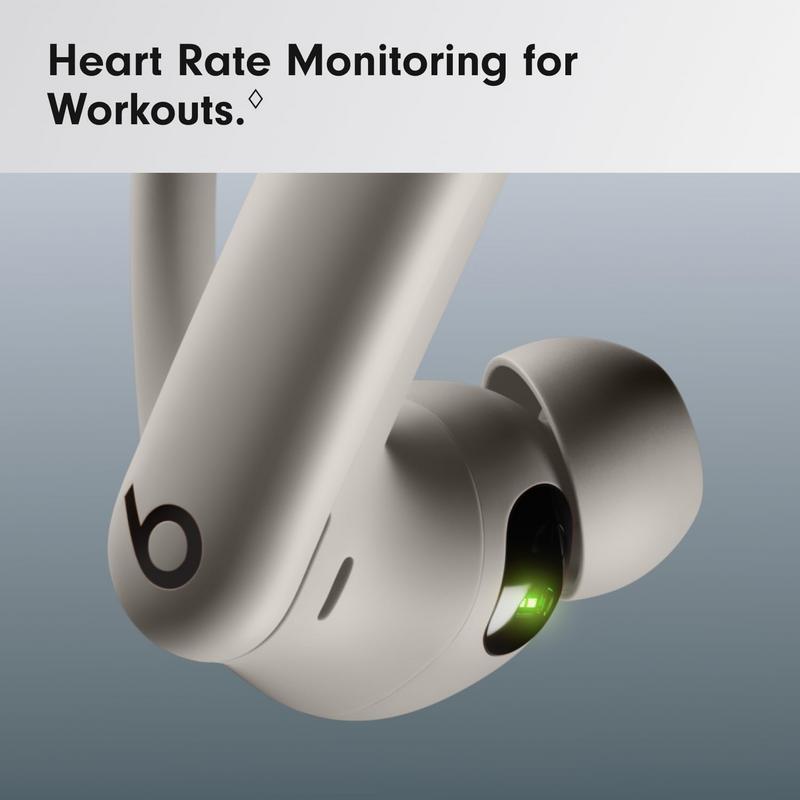
For those who integrate physical activity into their daily rhythm, a recurring, low-grade friction point often surfaces: the fit of personal audio. The simple act of moving, whether a brisk walk or an intense gym session, can turn a convenient listening experience into a series of minor adjustments, a subtle but persistent distraction. The search for a secure, unyielding fit becomes an unconscious priority, a quiet adaptation to ensure that the immersive bubble of sound remains unbroken, resisting the small, insistent pull of gravity or momentum.
This drive for uninterrupted audio has, for many, subtly recalibrated expectations around battery longevity. The anxiety of a device running low, once a common consideration, recedes as charging cases capable of holding multiple full charges become the norm. The ritual of finding an outlet shifts from a daily imperative to a less frequent, almost background task, allowing for extended periods of use without interruption. This quiet assurance changes the mental calculus of carrying a device, transforming it into a reliable companion for longer stretches of activity or travel.
Beyond the physical fit and battery life, the presence of active noise cancellation has become another layer of behavioral adaptation. What began as a feature for specific environments, like air travel, has quietly normalized into a daily expectation for many Apple users seeking pockets of calm. Whether muting the drone of an open-plan office or softening the rumble of public transport, the ability to create a personal auditory sanctuary has become an almost unconscious habit, a tool for focus or respite in increasingly cacophonous environments.
Reaching for the charging case has become less of a daily ritual and more of a periodic, almost unconscious gesture, nestled among the usual gear. It slips into a backpack, a jacket pocket, or rests on a desk, an unobtrusive hub for keeping personal audio ready. The small, familiar weight, the satisfying click of the lid, the soft glow of an indicator light—these are the subtle cues that reinforce a system designed to be ready when needed, demanding little overt attention.
The ecosystem itself plays a silent, pivotal role in these adaptations. The effortless transition of audio from an iPhone to an Apple Watch, or between an iPad and a MacBook, removes layers of conscious decision-making. These invisible handoffs foster a quiet dependency, where devices anticipate and adapt to a user’s immediate context, reinforcing the perception of a single, fluid experience rather than a collection of separate gadgets.
Ultimately, these shifts in behavior—the prioritization of a secure fit, the diminished concern over battery life, the creation of personal quiet zones—are not about the devices themselves. They are observations of how human habits evolve around convenience and reliability. Apple users, almost without realizing it, have adapted their routines to incorporate these seamless experiences, moving through their days with an uninterrupted soundtrack that has become less a luxury and more a quiet, expected comfort.
This product is currently available on Amazon and has been drawing attention among Apple users interested in cleaner and more adaptable everyday setups.
Check availability and latest pricing here
How do these earbuds integrate with the broader Apple ecosystem for seamless switching?
These personal audio devices are designed to leverage Apple’s H1 chip, enabling automatic switching between compatible iCloud-paired devices like iPhone, Apple Watch, iPad, and Mac, based on active use and context.
What are the typical charging habits observed with the extended battery life and charging case?
Many Apple users find their charging frequency shifts from daily to every few days, often topping up the case when convenient rather than needing to charge the earbuds themselves each night, due to the total extended battery capacity.
Does the secure-fit design impact comfort during prolonged wear for activities like exercise?
The secure-fit earhook design is specifically engineered to maintain stability during rigorous movement, reducing the need for constant adjustments and allowing for sustained comfort during extended active use.
How does noise cancellation typically influence an Apple user’s focus in busy environments?
Active noise cancellation allows Apple users to create a more focused audio environment, subtly reducing external distractions during commutes, workouts, or in bustling workspaces, thereby enabling greater concentration on their chosen audio content.
Verdict
The evolving relationship between Apple users and their personal audio devices continues to shape daily rhythms. These subtle shifts, from the security of a fit during movement to the diminished concern over battery life, illustrate how small innovations quietly reshape expectations for sustained, uninterrupted interaction within the broader digital environment. The quiet normalization of reliable, immersive audio has become an integral, almost subconscious, part of navigating modern life within the Apple ecosystem.
"Note: Readers like you help support The Apple Tech. We may receive a affiliate commission when you purchase products mentioned on our website."