
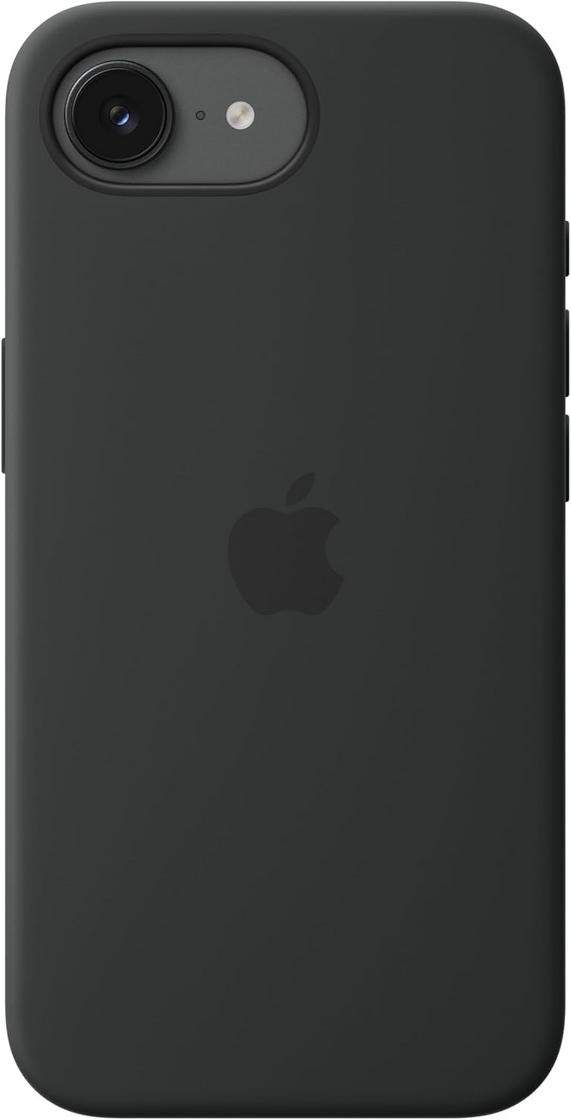
The iPhone 17’s silicone MagSafe case has become more than protection—it gently realigns when and how we plug in, pocket and position our phones, with small shifts that ripple through everyday Apple-device habits.
“Some nights I’d catch myself aligning the MagSafe ring before fully waking, as though the case had claimed its place in my bedtime rhythm.”
When the official MagSafe silicone case for iPhone 17 arrived on my desk, its soft matte finish and subtle weight felt out of step with the sleek glass back I’d grown accustomed to. Yet it was less about appearance and more about how its magnetic design demanded new micro-adjustments: shifting how I rested the phone at the edge of a table, recalibrating the angle I grabbed it from a stand, and reminding me that an extra layer of armor could quietly influence grip and movement.
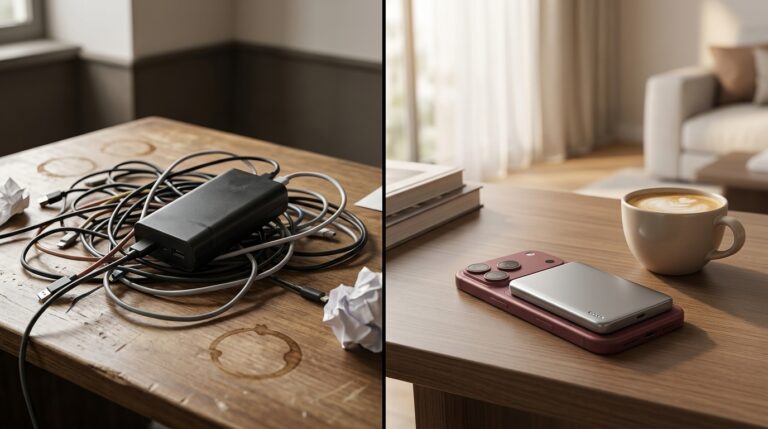
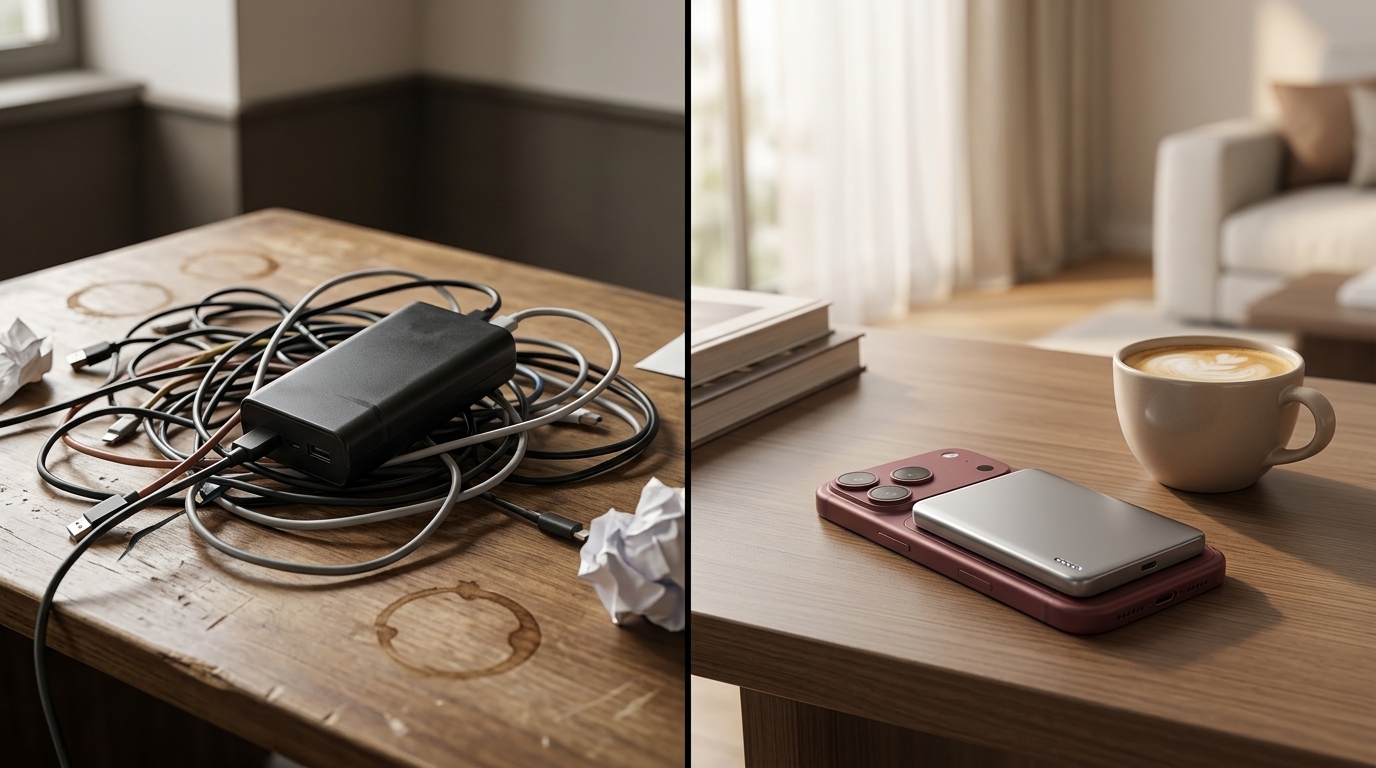
The desk layout reframed itself around that matte curve. I nudged a coaster to one side, found a fresh spot for my AirPods case, and traced a new path for my USB-C cable. Aligning the phone on its back—magnet snapping into place—became an early morning cue to begin work. It was a gesture so unassuming I almost overlooked how it bookended both the start and end of each day.
In a darkened bedroom, the case’s magnetic pull revealed itself in small stumbles. Half awake, I reached for the familiar contours of my iPhone before even flipping on the lamp. My hand brushed the seam where silicone met glass, and I guided it into the charger’s ring without thinking. That moment, barely conscious, felt like confirmation that the case had embedded itself in my nightly ritual.
A recent business trip surfaced another rehearsal of habits. I slid the iPhone into its MagSafe wallet on the hotel nightstand, then tucked the cable into my carry-on. At security, I hesitated, briefly lifting the phone with its case still attached, as though prioritizing a single object over the rack of electronics before me. It was a reminder of how case and device move in tandem, reshaping packing and unpacking rituals.
By afternoon, checking the phone’s battery widget became a nod to keeping the MagSafe attachments in check. A quick glance at Settings to confirm that a MagSafe battery pack was recognized felt as routine as glancing at an Apple Watch for time. Reconnecting the cable to top up wirelessly—or switching to a MagSafe charger on my desk—marked subtle pauses that punctuated longer stretches of screen time.
Quietly, these low-level adaptations ripple across the Apple ecosystem: a MagSafe charger on a stand here, an AirPods Pro case there, a MacBook charging mat close by. Recent listings reflect an 18% reduction compared with earlier availability. Yet the more telling shift lies not in numbers but in cable alignments, nightstand placements and the way small magnets can rewrite habits.
This product has recently appeared more often in conversations around portable Apple setups and everyday charging routines.
Check current availability here
Does the silicone MagSafe case affect iPhone 17 wireless charging speed?
The case is designed to accommodate standard Qi and MagSafe charging coils, maintaining typical charging rates without additional adapters.
Can a MagSafe silicone case hold other accessories like a wallet or stand?
The built-in magnets align with MagSafe accessories, enabling secure attachment of compatible wallets, mounts or stands without slipping.
How does the case influence everyday device handling?
The textured finish and slight lip around the screen foster a firmer grip and encourage returning the phone to specific orientations or spots on a desk.
Will the MagSafe case wear over time with frequent removal?
Silicone naturally stretches slightly, so regular detachment can cause minimal loosening over months; cleaning the phone’s back and case interior helps maintain a snug fit.
Verdict
Over weeks of slipping the iPhone 17 into its MagSafe silicone case, charging pauses and pocket placements have shifted into near-automatic gestures. Aligning its magnets in the dark, feeling that soft matte surface—it’s a daily choreography that quietly shapes interactions across devices. These micro-adjustments reveal how a simple accessory can map out the contours of our routines, turning the act of protection into an unassuming guide for when, where and how we use our phones.
"Note: Readers like you help support The Apple Tech. We may receive a affiliate commission when you purchase products mentioned on our website."