Fifty-hour ratings assume specific conditions that don’t match real-world behavior. Volume levels, codec usage, and environmental factors create a gap between specification and experience.
Battery life specifications exist in a controlled vacuum. Moderate volume, AAC codec, no active noise cancellation, temperate environment. These conditions rarely align with actual use. Most people listen louder than “moderate.” Streaming services default to higher-quality codecs when available. Temperature fluctuates between climate-controlled indoors and outdoor extremes.
The degradation is gradual enough to be imperceptible. Week one, the headphones last six days between charges. Month three, it’s five days. Month six, it’s four. There’s no single moment of failure, just a slow erosion of the initial promise. Users don’t realize the battery has degraded until they consciously track the pattern, and most people don’t track charging patterns consciously.
Cross-platform compatibility sounds valuable until you examine usage patterns. iPhone users rarely switch to Android devices mid-listening session. The compatibility exists primarily for multi-device households or users who maintain separate work and personal phones. For everyone else, it’s theoretical flexibility that rarely gets exercised. The headphones pair with both ecosystems but live primarily within one.
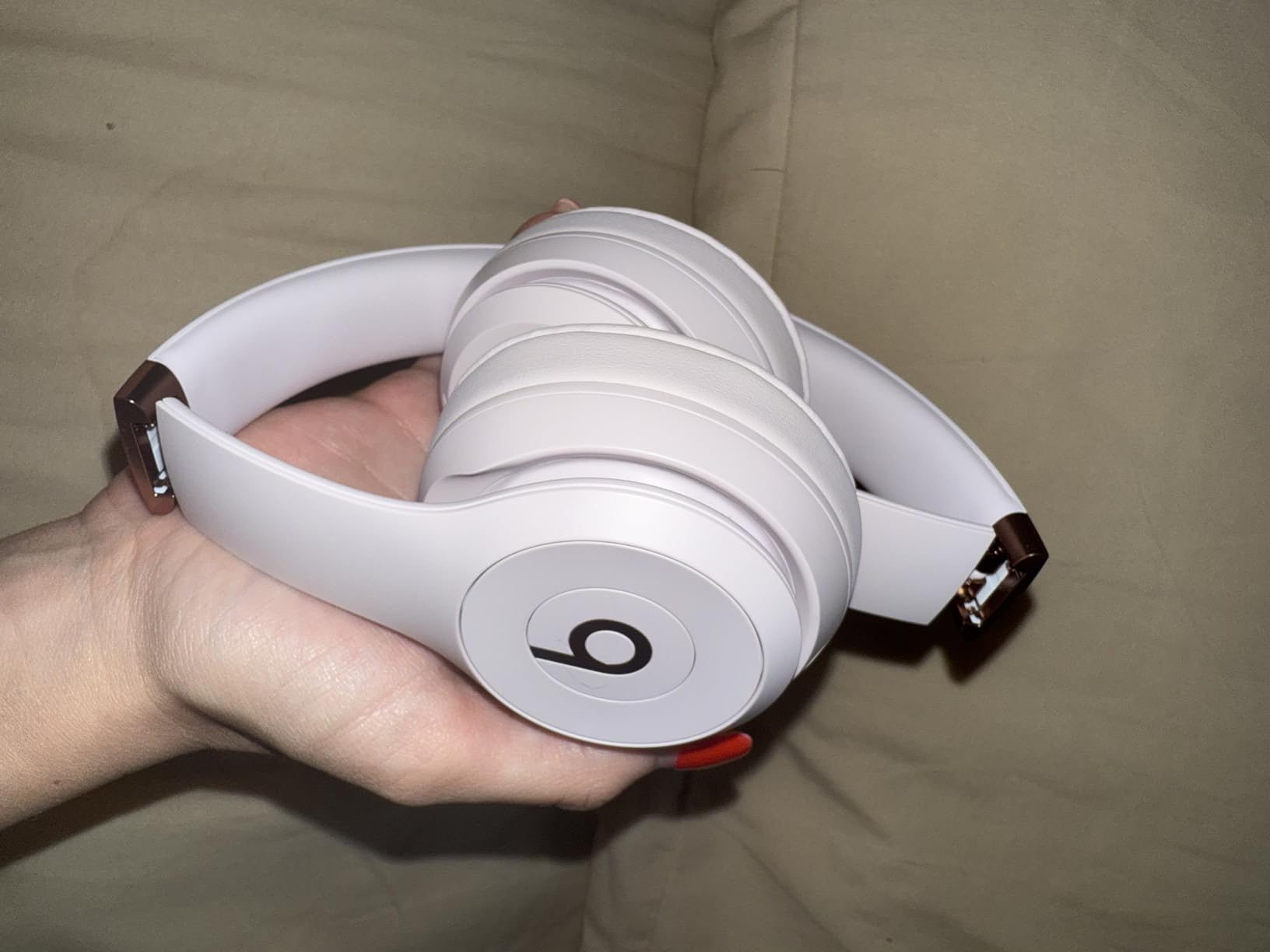
On-ear design creates pressure points that become apparent during extended use. The first hour feels fine. The second hour introduces mild discomfort. By the third hour, many users need a break. This isn’t unique to any specific model—it’s a fundamental characteristic of on-ear design versus over-ear. The “ultra-lightweight” marketing addresses this by reducing clamping force, but lighter clamping means less noise isolation, which means higher volume, which means faster battery drain.
Carrying case absence creates interesting behavioral adaptations. Without a case, the headphones get tossed into bags where they bump against laptops, water bottles, and other items. The hinges that enable folding become stress points. Some users develop elaborate padding systems using spare clothing. Others accept cosmetic damage as inevitable. A few buy aftermarket cases, adding bulk that defeats the lightweight design intent.
The fold mechanism itself is a compromise. It reduces carrying size but introduces mechanical complexity. Hinges can loosen over time. The swivel joints that enable the fold also enable unintended rotation inside bags. What starts as a neatly folded package becomes a tangled shape that’s difficult to extract without accidentally triggering playback.
Bluetooth connectivity across Apple devices theoretically allows seamless switching between iPhone, iPad, and Mac. In practice, this auto-switching creates confusion. Audio plays on the Mac when you intended it for the iPhone. A FaceTime call on the iPad hijacks the connection from active music playback on the phone. Manual device selection works reliably, but the automatic handoff frequently misreads user intent. Previously listed at $200, current listings hover around $129.99.
"Note: Readers like you help support The Apple Tech. We may receive a affiliate commission when you purchase products mentioned on our website."