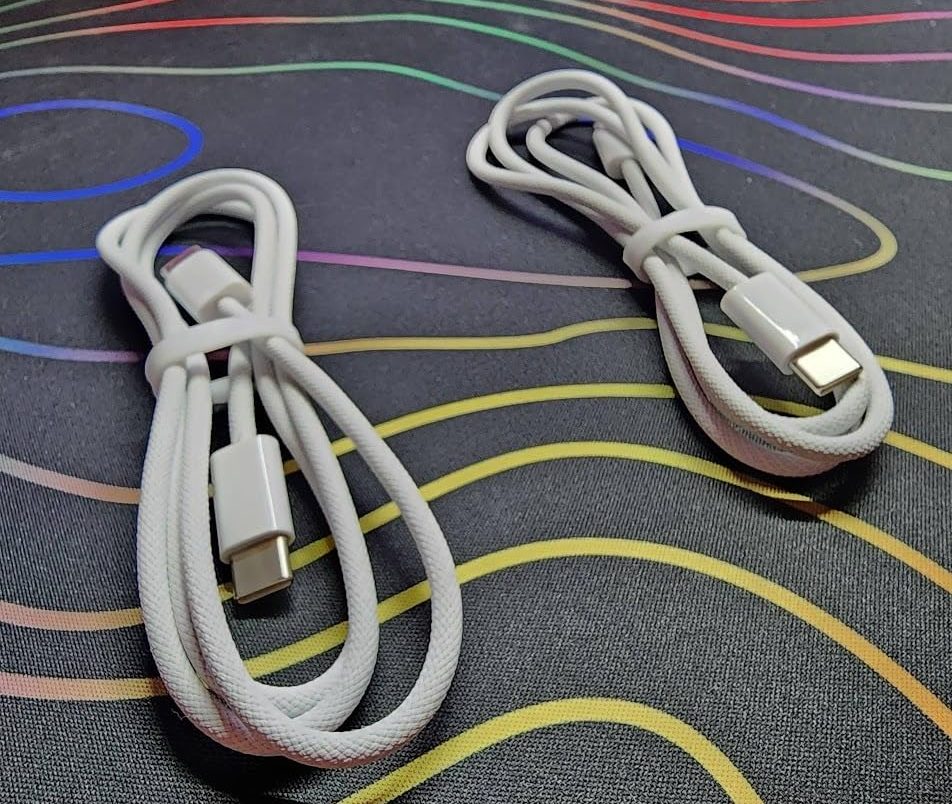
Apple’s transition to USB-C eliminated the need to carry separate Lightning and USB-C cables for different device categories. What it didn’t eliminate was the uncertainty about whether a specific cable supports fast charging, data transfer, or both. Not all USB-C cables are functionally identical, and the iPhone ecosystem now spans devices with wildly different power requirements.
The behavioral consequence is a new form of cable hoarding. Users who once maintained separate cables for separate devices now keep multiple USB-C cables in different locations—bags, desks, nightstands, cars—with an underlying anxiety that any individual cable might not support whatever charging scenario emerges. The standardization of the port hasn’t standardized the capability.
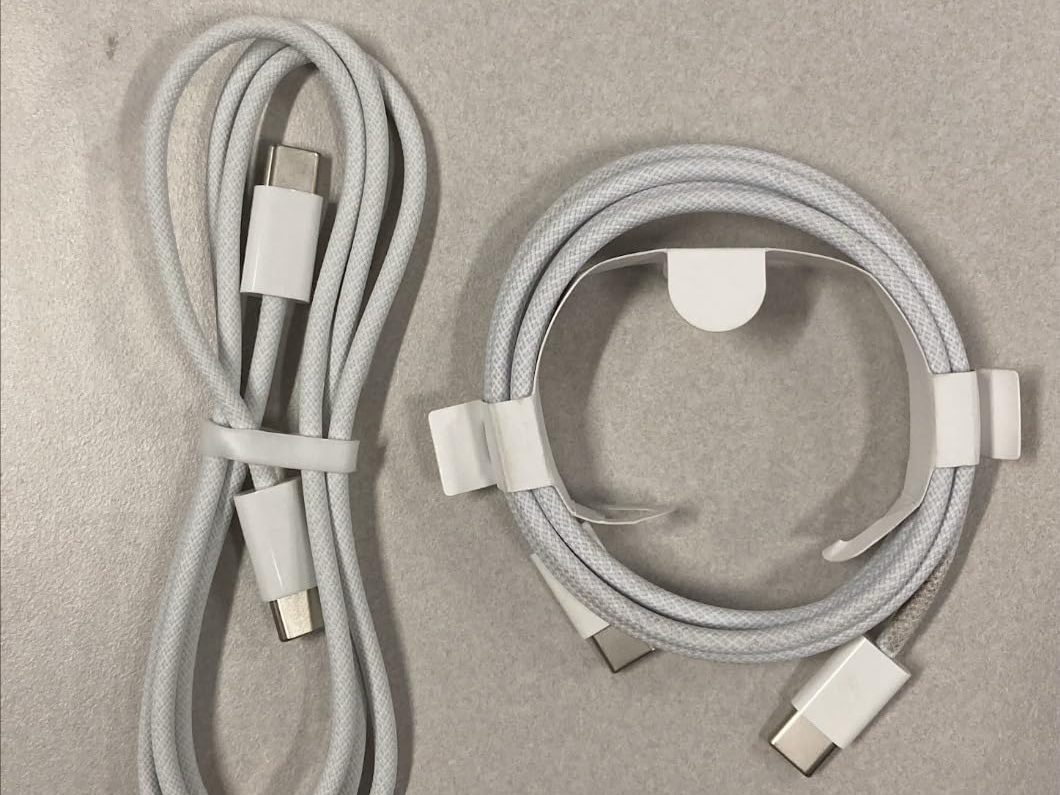
This matters most during cross-device charging moments. An iPhone charging cable that delivers adequate power for overnight phone charging may not support the wattage requirements of a MacBook Air running low during a work session. An iPad Pro user grabbing the nearest USB-C cable for a quick data transfer might find it only supports charging. The physical compatibility creates false confidence.
What’s emerged is a quiet preference for cables that can handle the maximum demands of any device in a household’s Apple ecosystem, even if that overhead seems unnecessary for the device being charged in the moment. The goal isn’t optimization—it’s the elimination of mental load around which cable works for which purpose.
SIMILAR
Why iPhone users are carrying standalone noise machines instead of relying on sleep apps
Apple Watch charging became a bedside ritual, here's why the placement matters more than expected
iPhone users are quietly giving up the cable and most dont realize why it happened so gradually over time
Cable length has also become part of this calculus. Shorter cables reduce desk clutter and travel bulk, but they create spatial constraints when charging locations don’t align with device use. A three-foot cable works for a nightstand phone charge but forces awkward positioning when a MacBook needs power during active use. Users are buying multiple lengths of the same cable specification to avoid positional compromises.
Durability expectations have intensified as well. Braided or reinforced cables aren’t aesthetic choices—they’re insurance against the most common failure point in the charging ecosystem. A frayed cable doesn’t just stop working; it introduces doubt about whether charging problems stem from the cable, the port, or the power adapter. The iPhone ecosystem’s reliance on USB-C has made cable integrity a reliability concern, not just a longevity preference.
The certification question hovers over every cable purchase. Apple’s ecosystem suggests that certified cables are safer and more reliable, but the market is flooded with uncertified options that work identically in most scenarios. Users are navigating a risk calculation that didn’t exist in the Lightning era, where Apple’s proprietary connector limited third-party variance.
What’s being purchased isn’t a single cable. It’s redundancy against the possibility that the wrong cable will be in the wrong place when a device needs power or data. The Apple ecosystem’s shift to USB-C unified the port, but it fragmented confidence in what any given cable can actually do.
Previously listed around $10 for a two-pack, current listings has dropped closer to $5 for certified cables that support the full power and data requirements across iPhone, iPad, and MacBook models.
"Note: Readers like you help support The Apple Tech. We may receive a affiliate commission when you purchase products mentioned on our website."