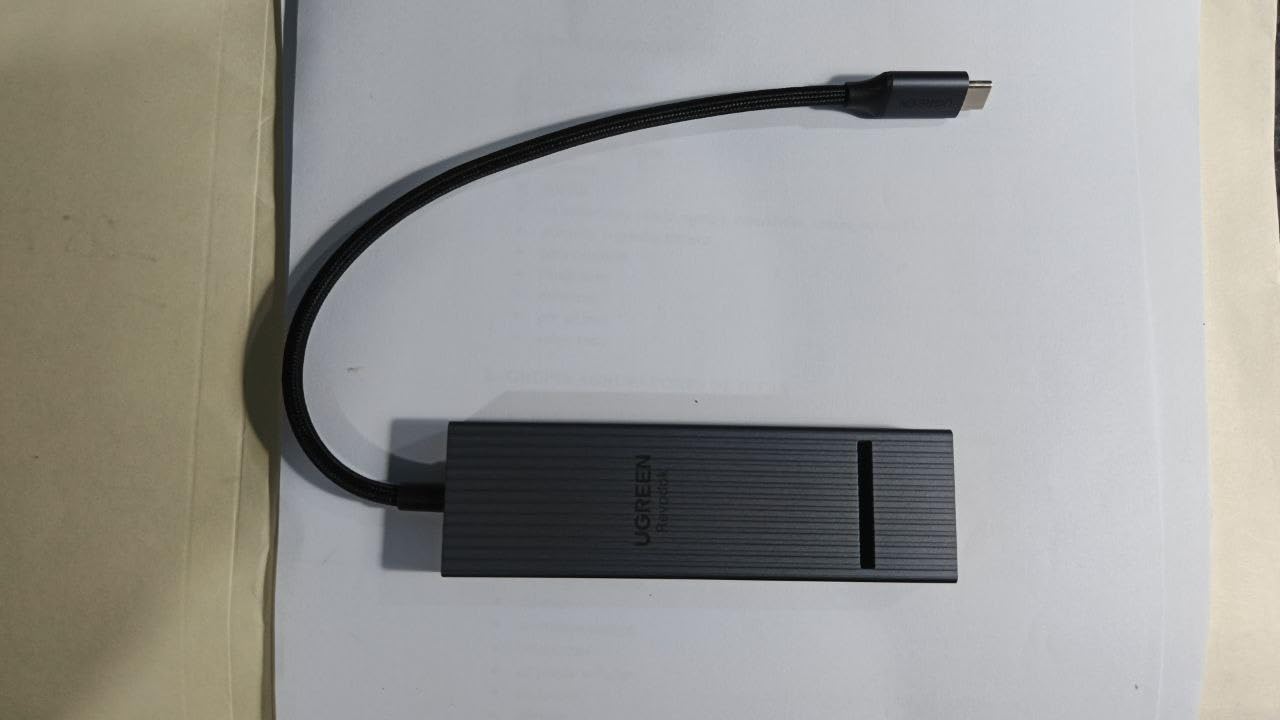
Apple’s transition to USB-C-only MacBook Pro models eliminated legacy ports under the premise that universal connectivity would replace specialized inputs. Several hardware generations later, the reality of daily use hasn’t converged with that vision. Most users still need to connect HDMI displays, USB-A peripherals, SD cards, and charging simultaneously—and the MacBook Pro’s port count hasn’t expanded to accommodate that simultaneity.
The result is a permanent accessory category that exists entirely to bridge the gap between Apple’s design philosophy and how people actually use their machines. Compact six-in-one hubs have become default purchases alongside the laptop itself, not optional upgrades. They’re carried in the same bag, plugged in at the same moment, and treated as inseparable from the device they’re technically augmenting.
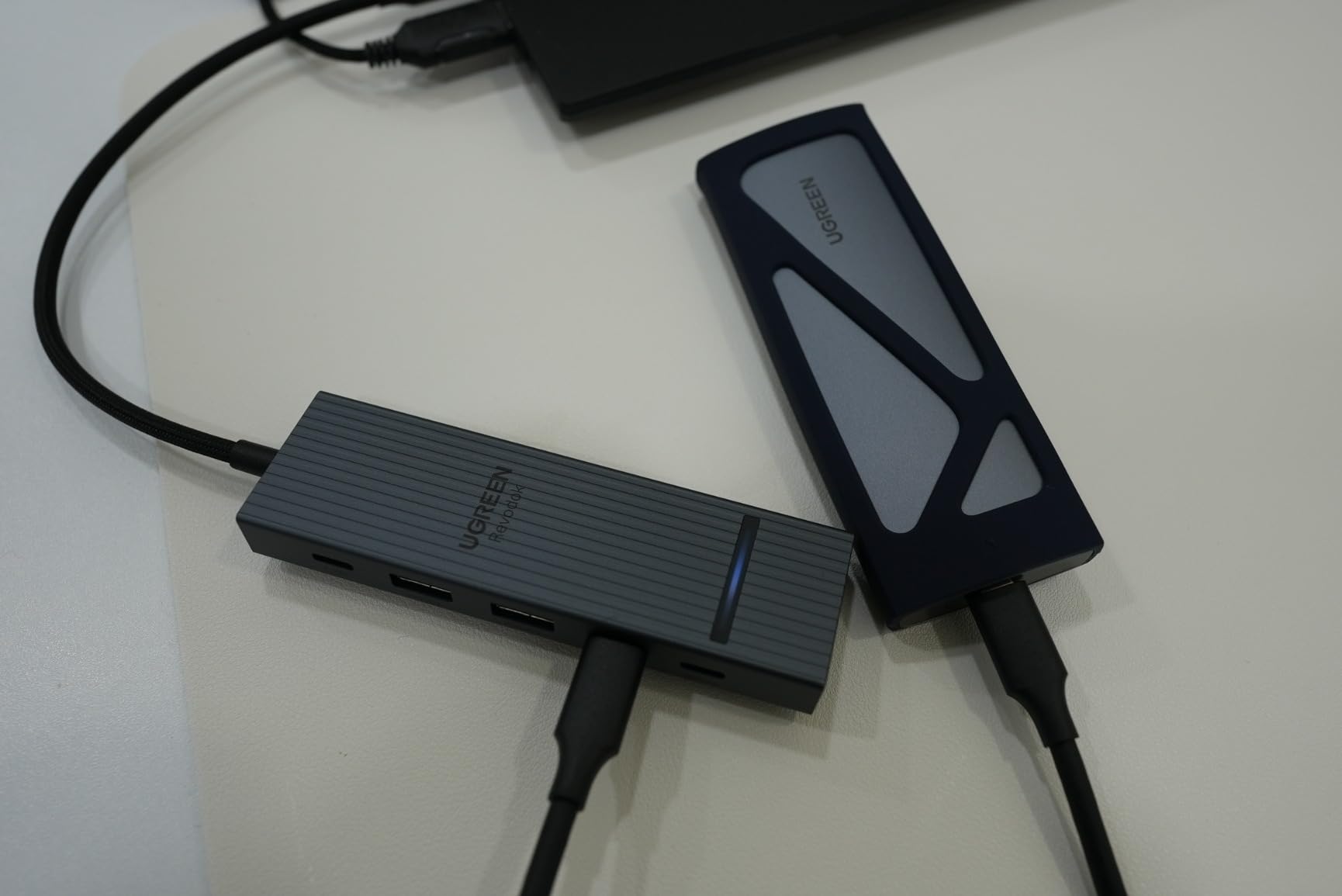
What’s notable is how these hubs have quietly standardized around a specific feature set. HDMI output at 4K 60Hz, 100-watt power delivery passthrough, and 10Gbps data transfer speeds aren’t luxury specifications anymore—they’re the minimum required to avoid creating new bottlenecks. Anything slower than the MacBook Pro’s own capabilities introduces friction instead of resolving it.
The behavior pattern this creates is revealing. Users aren’t connecting and disconnecting individual cables based on task. They’re creating semi-permanent docking stations out of portable hubs, routing all connectivity through a single USB-C insertion point. The hub becomes the interface, not the ports themselves. Apple’s minimalism is preserved visually, but functionally bypassed.
SIMILAR
Why iPhone users are carrying standalone noise machines instead of relying on sleep apps
Apple Watch charging became a bedside ritual, here's why the placement matters more than expected
iPhone users are quietly giving up the cable and most dont realize why it happened so gradually over time
This adaptation has also reshaped expectations around desk setups. A MacBook Pro connected to an external display used to mean a dedicated docking station or monitor with integrated connectivity. Now it often means a hub small enough to disappear behind a laptop stand, providing the same functionality without requiring permanent desk real estate or investment in Apple-certified accessories.
Compatibility across the broader Apple ecosystem has become part of the decision matrix as well. The same hub that serves a MacBook Pro often needs to function with an iPad Pro or support Windows machines in hybrid work environments. The expectation is universal input, not brand-specific optimization.
What’s being purchased isn’t a product category Apple officially acknowledges as necessary. It’s a workaround that’s become so normalized it no longer registers as compromise. The MacBook Pro’s design remains unchanged. The user’s workflow simply routes around it.
Previously listed near $20, current listings has settled closer to $14 for hub configurations that match MacBook Pro native capabilities without requiring additional adapters or sacrifices in performance.
"Note: Readers like you help support The Apple Tech. We may receive a affiliate commission when you purchase products mentioned on our website."