

The promise of unified smart home control through the Home app collides with reality when affordable connected outlets require separate apps and voice assistants that exist outside Apple’s ecosystem.
The light in the corner needs to turn off at eleven. You could walk over and flip the switch, or you could ask Siri to do it through a HomeKit-connected smart outlet. Except the outlet you have isn’t HomeKit compatible. It works with Alexa. Or Google Assistant. The iPhone can communicate with those assistants through their respective apps, but the integration is awkward—another app to open, another interface to navigate, another voice assistant that isn’t Siri.
This fragmentation has become characteristic of smart home adoption among iPhone users. HomeKit exists as Apple’s answer to connected home control, promising that everything can be managed through the Home app with Siri as the voice interface. But device availability and pricing have created a parallel ecosystem. Many affordable smart plugs, lights, and sensors support Alexa or Google Assistant but not HomeKit, which forces users to either pay a premium for HomeKit compatibility or accept that their smart home will be split across multiple platforms.
The outlet itself is simple. It plugs into the wall, you plug something else into it, and now that device can be turned on or off remotely or on a schedule. The complexity arrives when you try to integrate it into the broader ecosystem. The outlet responds to Alexa or Google Assistant, but it’s invisible to HomeKit, which means it exists in a parallel smart home that your iPhone only partially acknowledges. You can control it through the Alexa app or by speaking to an Echo device, but Siri doesn’t know it exists.
This creates routine friction. You’re in bed, iPhone on the nightstand, and you want to turn off the lamp across the room. If it’s connected through HomeKit, you say “Hey Siri, turn off the lamp,” and it happens. If it’s connected through Alexa, you have to open the Alexa app, navigate to devices, find the lamp, and tap the power toggle. Or you get an Alexa device and add yet another voice assistant to your home, which introduces its own complications—which assistant handles which request, what happens when they mishear you, how do you manage two competing ecosystems simultaneously.
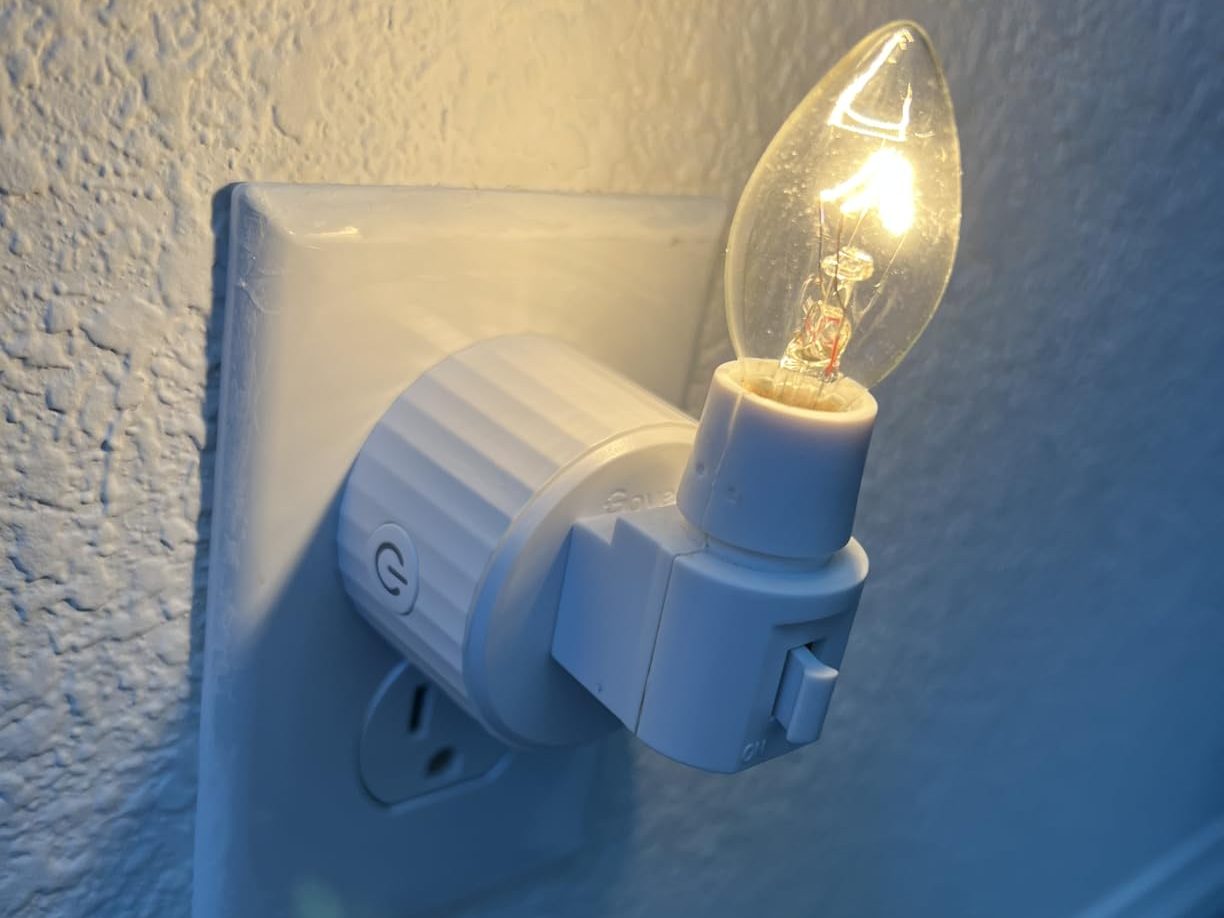
Scheduling and automation work better than voice control for cross-platform devices. You set the outlet to turn on at sunset and off at eleven, and it follows that routine without requiring interaction with either Siri or Alexa. The iPhone’s Home app can’t see these schedules, but they function independently, which is sufficient if you don’t need dynamic control. The outlet becomes less of a smart device and more of a programmable timer that happens to connect to Wi-Fi.
Apple’s ecosystem has historically walled itself off for privacy and security reasons, but this creates a barrier to adoption when HomeKit-compatible devices cost more or aren’t available for certain categories. Users who want the convenience of smart outlets without the premium pricing end up managing their homes through multiple apps, multiple voice assistants, and multiple platforms that don’t communicate with each other. The Home app shows some devices. The Alexa app shows others. Nothing shows everything.
The 2.4GHz Wi-Fi requirement introduces another constraint. Many modern routers default to 5GHz networks for speed, but older smart home devices only work on 2.4GHz. This means you need to ensure your router broadcasts both bands, connect the outlet to the correct network, and remember that some devices in your home are on 2.4GHz while others are on 5GHz. The iPhone doesn’t distinguish between these networks in a way that makes this obvious, so troubleshooting connectivity issues often requires checking router settings and forgetting and re-adding networks.
Previously listed at $25, current listings hover around $19.99 for two-pack configurations that work with Alexa and Google Assistant but not HomeKit. The price difference between these and HomeKit-compatible alternatives is significant enough that many users accept the fragmentation. The result is a smart home that’s only partially visible to the iPhone’s native controls, requiring either compromise on functionality or willingness to maintain multiple ecosystems that should, in theory, work together but in practice remain stubbornly separate.
"Note: Readers like you help support The Apple Tech. We may receive a affiliate commission when you purchase products mentioned on our website."