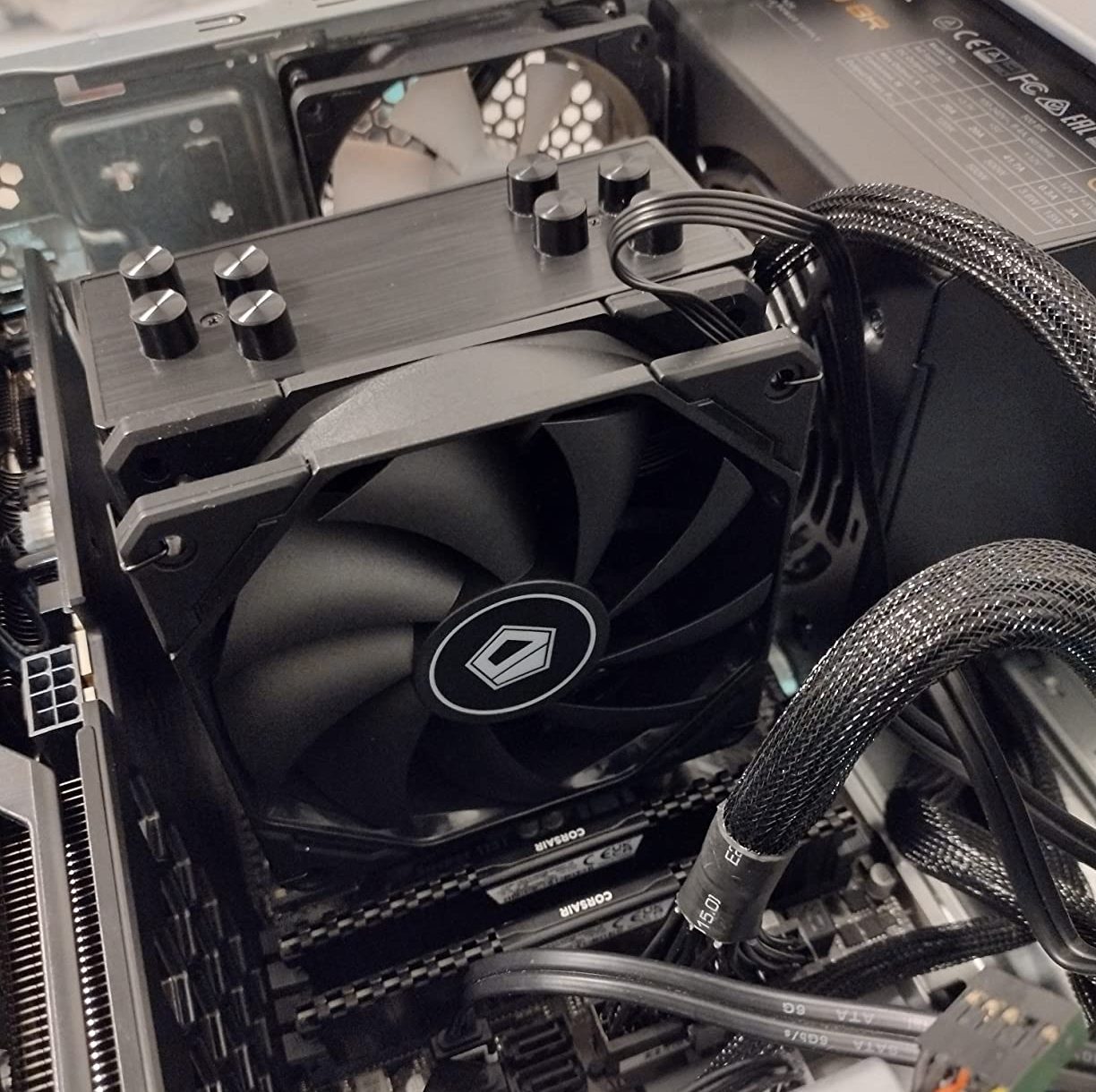
High-performance workflows on Apple Silicon have occasionally pushed thermal limits, leading a subset of Mac Pro owners to modify cooling systems Apple designed to be sufficient.
The aftermarket cooler sitting inside a Mac Pro chassis represents both a solution and an indictment—the hardware works, but users felt compelled to intervene anyway. Apple designs its thermal systems with specific tolerances, assuming typical use cases and environmental conditions. But some users push harder—rendering complex 3D scenes for hours, compiling massive codebases repeatedly, running simulations that max out CPU cores continuously. In those scenarios, the factory cooling sometimes struggles to maintain comfortable operating temperatures.
The decision to modify a Mac Pro’s internals isn’t casual. Apple’s warranty language around user modifications is clear enough that most people hesitate before opening the case. But for users experiencing thermal throttling during critical workflows, the choice becomes pragmatic. The system slows down when it gets too hot. Better cooling means sustained performance. The trade-off between warranty concerns and immediate productivity needs tips toward the latter when deadlines are involved.
The compatibility question is technical but not insurmountable. Mac Pro internals don’t match standard PC form factors exactly, but the mounting points and dimensions are close enough that certain aftermarket coolers fit with minimal adaptation. Users in forums share measurements, post photos of successful installations, and document which models work without requiring case modifications. It’s a small community solving a problem that most Mac users will never encounter but that feels urgent to those who do
What’s interesting is how this behavior reflects the limits of Apple’s one-size-fits-all approach. The company designs cooling for what it considers the typical user, which works perfectly well for most people. But the Mac Pro explicitly targets professionals with demanding workloads, and those workloads sometimes exceed the thermal envelope Apple planned for. The aftermarket cooler becomes a way for users to recalibrate the system to match their actual usage rather than Apple’s assumptions about it.
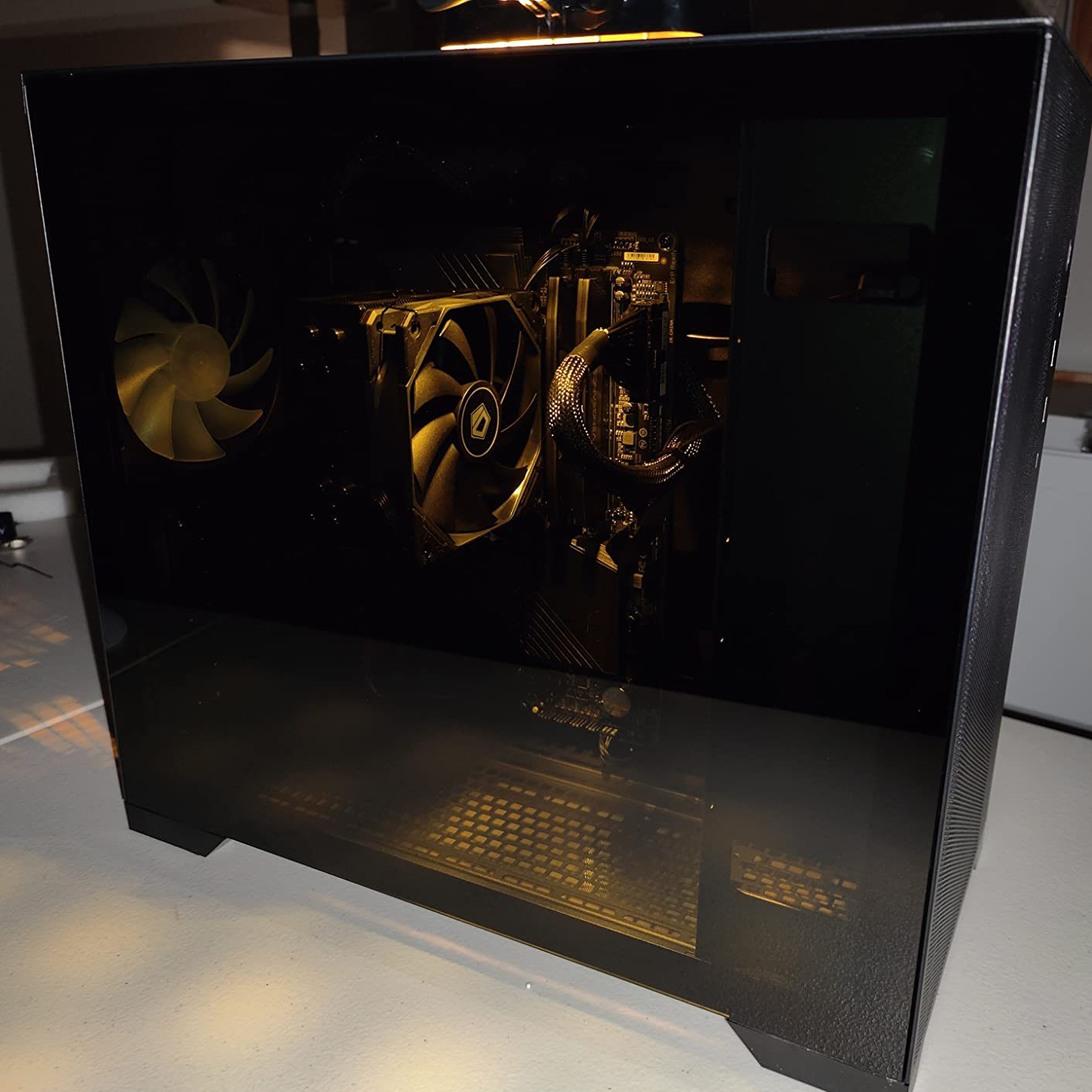
The installation itself requires some technical comfort. The Mac Pro’s case opens easily enough, but identifying which cooler to replace, removing the existing hardware, and installing the new unit means understanding basic PC assembly principles. This isn’t iPhone territory, where user serviceability is essentially zero. The Mac Pro, particularly in its Intel generations, assumes a level of user intervention that other Macs don’t. The cooling modification extends that assumption further than Apple intended but not further than the hardware can technically support.
Apple Silicon Macs with unified memory architecture and integrated designs have largely eliminated user-accessible cooling systems. The M-series MacBooks and Mac Studios are sealed units where thermal management is entirely Apple’s domain. But Intel-based Mac Pros remain in service, and for users with those machines who need every available thermal headroom, aftermarket cooling remains a viable if unofficial option.
Previously listed at $29.99, current listings hover around $14.99 for four-heatpipe CPU coolers with 120mm PWM fans compatible with Intel and AMD sockets found in Mac Pro and other high-performance systems. The pricing positions these as affordable upgrades for users willing to void or risk warranty coverage in exchange for improved thermal performance during sustained high-load operation.
"Note: Readers like you help support The Apple Tech. We may receive a affiliate commission when you purchase products mentioned on our website."