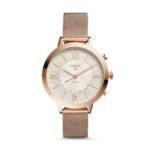


The Apple Watch succeeded partly because it positioned itself as jewelry, not just technology. Unlike the iPhone, which lives in pockets and bags, the watch is always visible. It’s worn, not carried. That distinction mattered. People cared about how it looked on their wrist in ways they never cared about phone cases. The band became the variable—the part that could change to match clothing, context, or mood.
Apple offered its own bands at premium prices, and many people bought them. The sport bands, leather loops, and stainless steel links were well-designed, durable, and integrated cleanly with the watch hardware. But they were also expensive enough that owning multiple felt like an indulgence. A single watch with one band became the default for most users, which limited how much the device could adapt to different settings.
Third-party bands changed the calculus. Leather options at a fraction of Apple’s pricing made it feasible to own several bands and rotate them. The watch could look professional during work hours, casual on weekends, and refined for dinners or events. That flexibility mattered more than people expected. It turned the Apple Watch into something adaptable rather than static—a device that could shift presentation based on context.
Leather specifically carries associations that sport bands don’t. It’s traditional, ages visibly, and signals a different kind of intentionality. Someone wearing a leather Apple Watch band is making a choice about presentation that a silicone sport band doesn’t communicate. Whether that matters depends entirely on the person and the context, but for those who care about these distinctions, the band matters as much as the watch itself.

Breathability and quick-release mechanisms sound like technical details, but they’re actually about daily friction. A band that traps sweat or feels uncomfortable during workouts gets abandoned quickly, regardless of how it looks. A band that requires tools or effort to swap out never gets swapped. The practical elements determine whether someone actually uses multiple bands or just buys them and leaves them in a drawer.
Compatibility across Apple Watch generations became unexpectedly important. People upgrade watches every few years, but they don’t necessarily want to replace all their bands simultaneously. A band that works with Series 3 through Series 10 means the investment carries forward. That longevity makes third-party bands more appealing than they would be if they only worked with a single watch model.
There’s also a subtle psychological shift. Buying an Apple Watch band from Apple feels like a tech purchase—an accessory for a device. Buying a leather band from a third party feels more like buying a watch strap, which carries different associations. It positions the Apple Watch closer to traditional timepieces, where swapping straps is normal and expected. That reframing changes how people think about the device on their wrist.
The current listing shows $16.99 at the time of publishing. View current listing. Price at time of publishing. Subject to change.
"Note: Readers like you help support The Apple Tech. We may receive a affiliate commission when you purchase products mentioned on our website."