
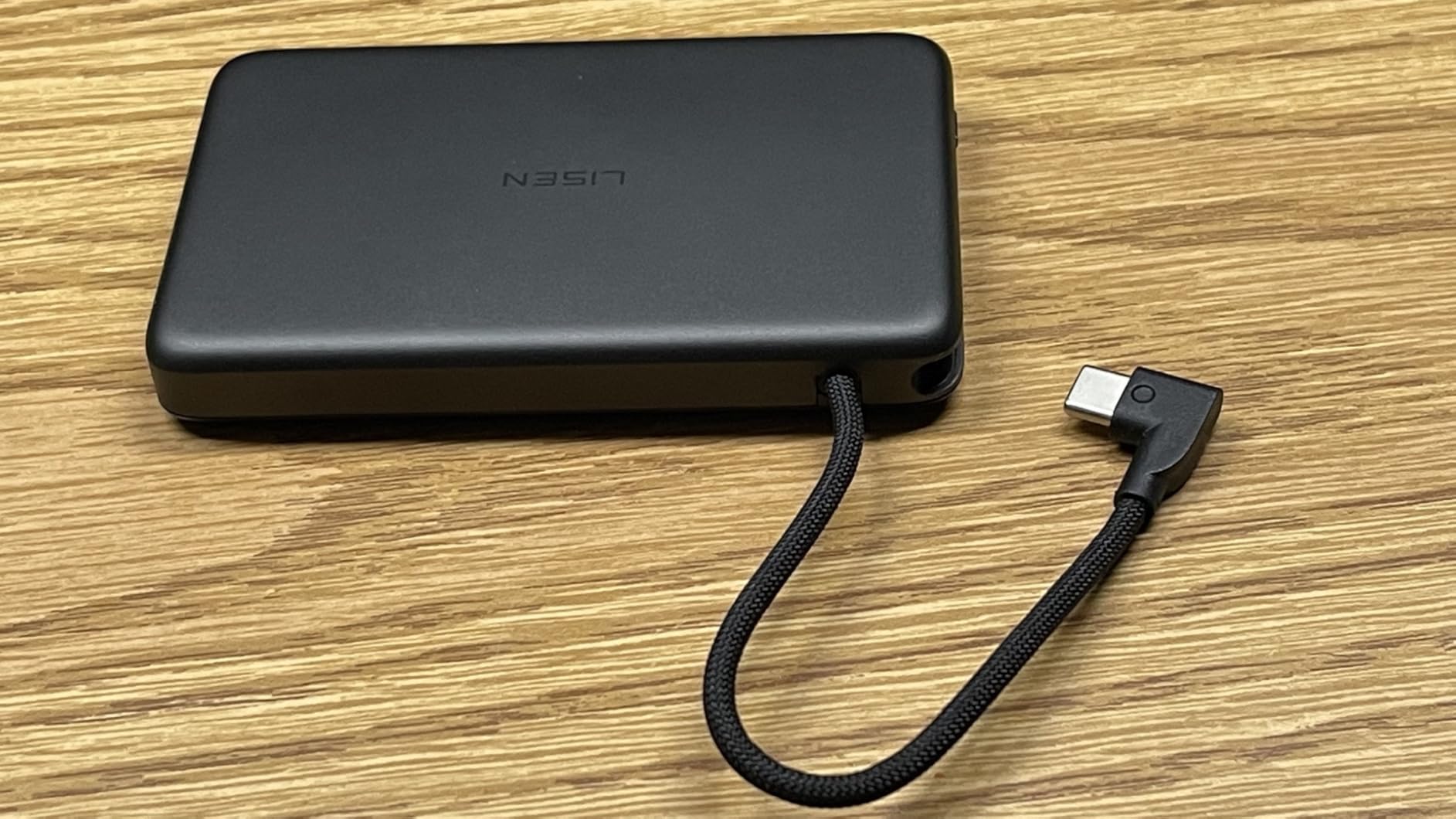
Apple Watch changed how people interact with notifications and health tracking, but it also doubled the charging burden. A phone that lasts all day paired with a watch that lasts all day still means two devices competing for charging time and outlet access.
Magnetic attachment for both iPhone and Apple Watch represented a recognition that these devices travel together and should charge together. MagSafe compatibility eliminated cables for the phone while watch charging required its own magnetic puck. Combining both into a single battery pack reduced the number of separate items to track.
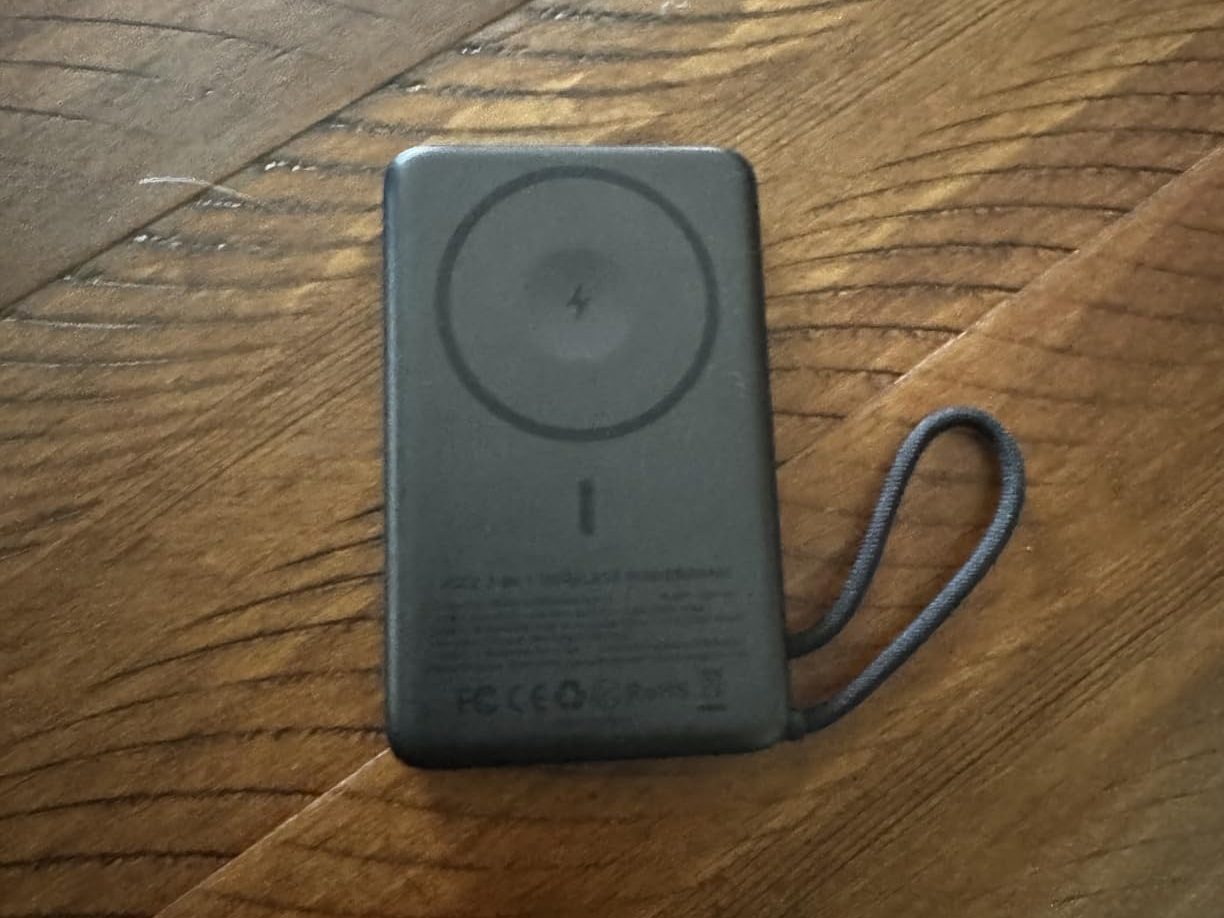
The slim profile addresses pocket and bag constraints that thicker batteries can’t accommodate. A portable battery that’s too bulky to carry comfortably doesn’t get carried, which defeats its purpose. The half-inch thickness represents a threshold where the device remains portable enough for consistent daily carry.
Ten thousand milliamp hours provides multiple charge cycles for an iPhone but fewer for the combined power draw of phone and watch charging simultaneously. The capacity calculation changes once two devices share the same power source. What seems like ample backup power for a phone alone becomes more limited when split between devices.
Alloy construction matters for devices that attach magnetically. Weaker materials flex under magnetic force, reducing connection reliability. The material choice affects not just durability against drops and scratches but the fundamental attachment mechanism that makes the device functional.
SIMILAR
Why iPhone users are carrying standalone noise machines instead of relying on sleep apps
Apple Watch charging became a bedside ritual, here's why the placement matters more than expected
iPhone users are quietly giving up the cable and most dont realize why it happened so gradually over time
The watch that promised to reduce phone dependency created new dependency on keeping both devices charged simultaneously. Missing a phone charge means losing communication tools. Missing a watch charge means losing fitness tracking, payment capability, and the notification filtering that made the watch valuable in the first place.
iOS and watchOS treat battery status independently. There’s no unified view of ecosystem-wide power levels or intelligent charging suggestions based on both devices’ status. The software assumes each device manages its own power without coordination, forcing users to mentally track multiple battery percentages.
Previously listed around $35, current listings for dual-device MagSafe battery packs accommodating both iPhone and Apple Watch now appear at similar price points, reflecting how common simultaneous charging has become for users invested in multiple Apple wearables.
"Note: Readers like you help support The Apple Tech. We may receive a affiliate commission when you purchase products mentioned on our website."