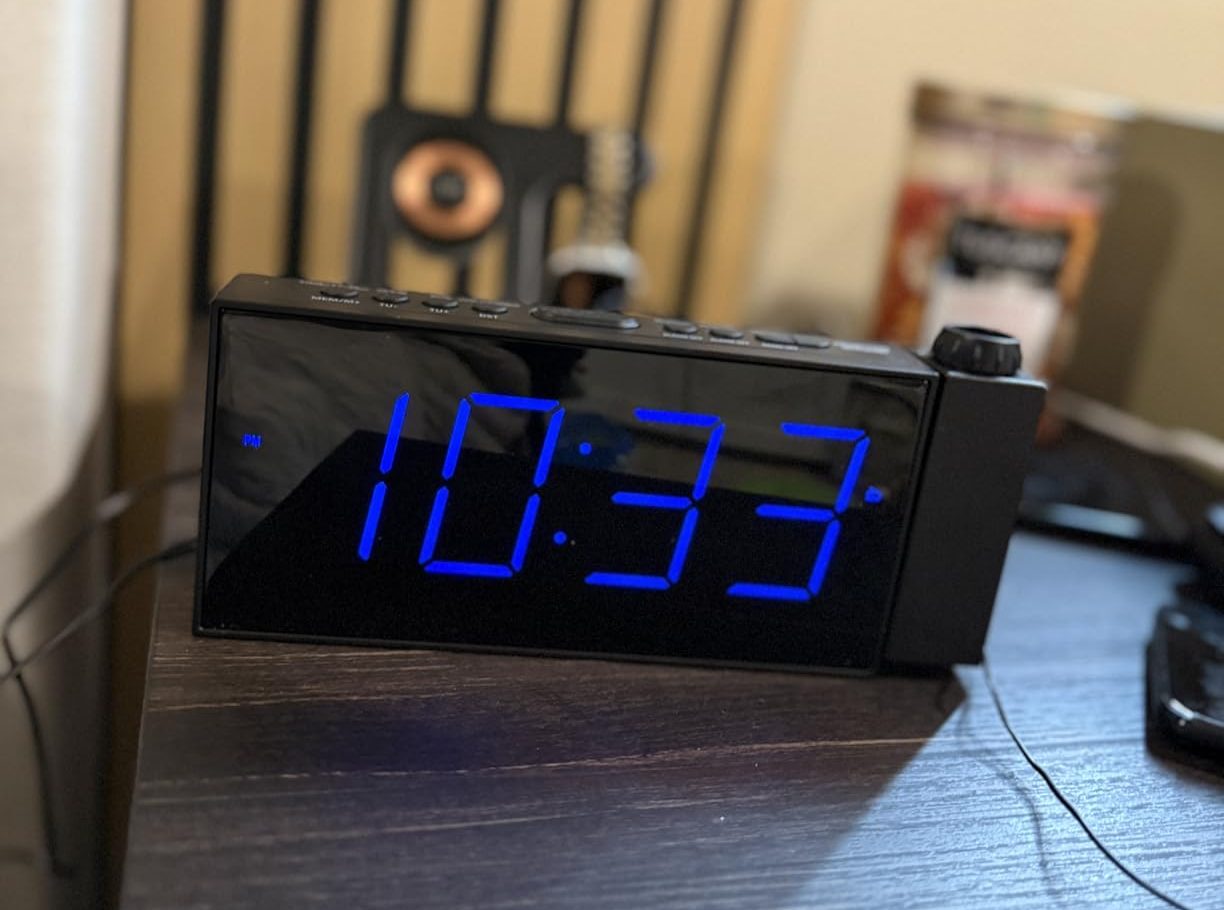
Phones migrated to nightstands when they became alarm clocks, but that proximity introduced new tensions. Notifications light up screens throughout the night. The temptation to check messages before sleep or immediately upon waking disrupted the boundary between rest and connectivity.
Charging added another layer of friction. iPhones need power overnight, which means they stay within arm’s reach. That accessibility makes it harder to resist checking the device during wakeful moments. The phone that used to be the alarm clock became the reason people needed a different alarm clock.
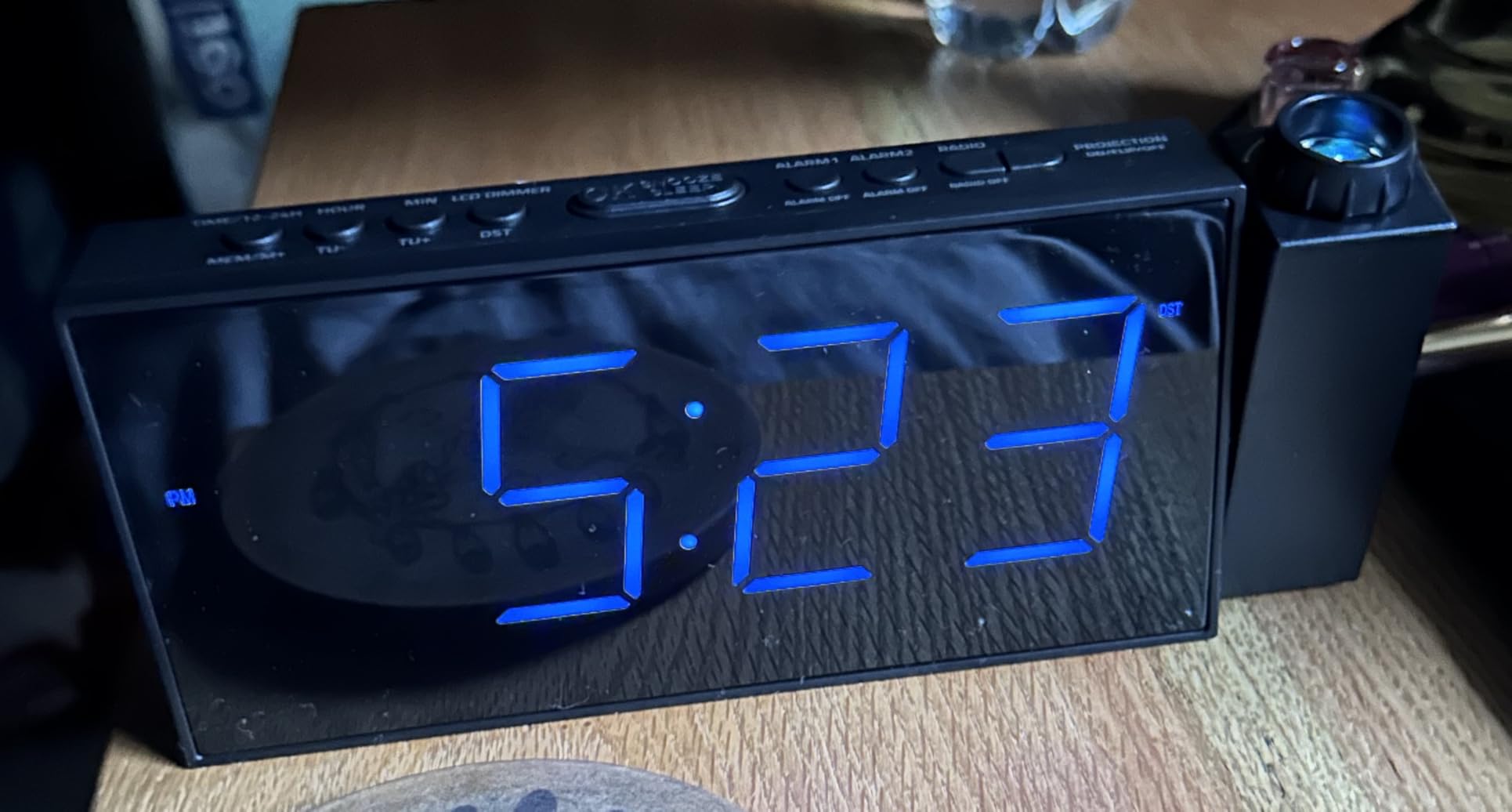
Do Not Focus modes in iOS help, but they require configuration and discipline. Many people enable them inconsistently or forget to turn them on at all. The effort of managing settings felt greater than the benefit, especially when tired. A physical alarm clock removes that decision entirely—it never displays notifications because it can’t.
Display brightness from phone screens creates its own sleep disruption. Even dimmed, an iPhone screen produces more light than a dedicated clock designed for bedrooms. That light affects circadian rhythms in ways people don’t consciously notice but still experience as difficulty falling asleep or staying asleep.
USB charging ports on alarm clocks address the core tension—phones still need power, but they don’t need to be the timekeeping device. The phone can charge across the room while the alarm stays within reach. That physical separation reduces impulsive checking while maintaining the practical necessity of overnight charging.
SIMILAR
Why iPhone users are carrying standalone noise machines instead of relying on sleep apps
Apple Watch charging became a bedside ritual, here's why the placement matters more than expected
iPhone users are quietly giving up the cable and most dont realize why it happened so gradually over time
Radio functionality brought back a feature iPhones eliminated. Waking to music or news used to be standard, but iOS alarm tones feel clinical by comparison. The option to wake gradually to broadcast audio instead of abrupt sounds represents a return to pre-smartphone morning routines that some people preferred all along.
Projection features—displaying time on ceilings or walls—solve a different problem. Checking the time during night wakefulness used to mean reaching for a phone and risking full alertness from screen exposure. A projected clock provides that information without requiring movement or light that disrupts sleep further.
Previously listed around $32, current listings for alarm clocks with USB charging ports and radio functionality now hover near $24, reflecting steady demand for devices that separate sleep environments from iPhone presence.
"Note: Readers like you help support The Apple Tech. We may receive a affiliate commission when you purchase products mentioned on our website."